Payments
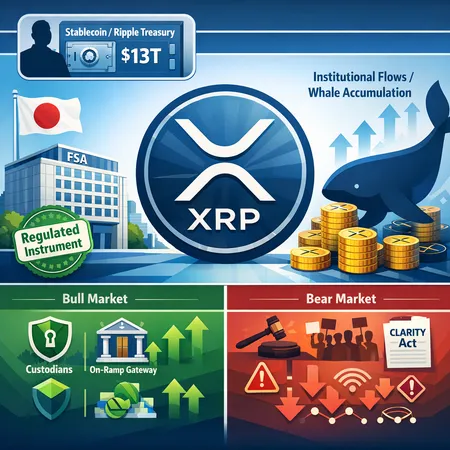
Japan’s FSA reclassification, renewed whale accumulation and Ripple’s $13T stablecoin/treasury pitch together reshape the institutional calculus for XRP. This article breaks down what each development means for price, product adoption and regulatory risk.
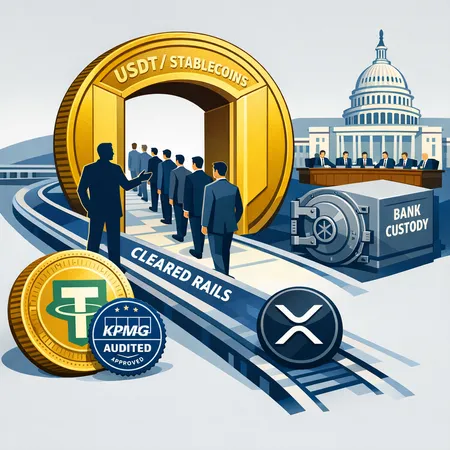
Stablecoins are poised to unlock enterprise crypto adoption by bridging banking rails, custody and regulatory expectations. Recent moves—from Brad Garlinghouse's framing to Tether's KPMG audit—signal a shift toward institutional readiness and policy debate over cleared payment rails.
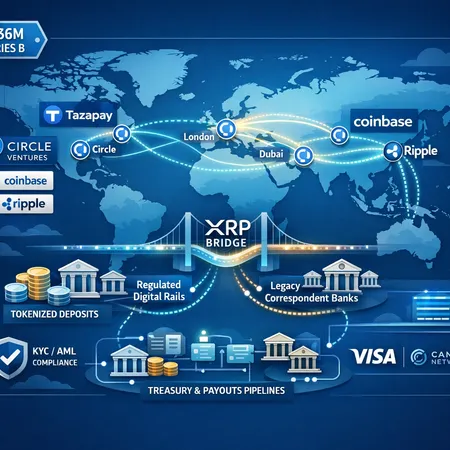
The Circle-led $36M Series B extension in Tazapay marks a clear VC bet on regulated, stablecoin-ready payment rails competing with correspondent banking. This article breaks down the deal, technical and compliance requirements to scale globally, interplay with institutional moves like Visa on Canton, and implications for Ripple and XRP.
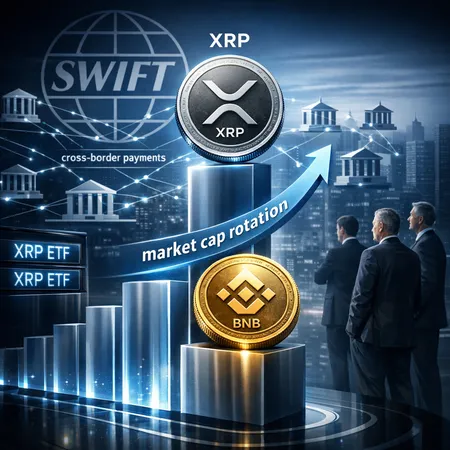
XRP surpassing BNB in market capitalization is more than a ranking change — it’s a signpost for how markets, institutions, and payment rails are reshaping around token utility. This article dissects the mechanics of the reshuffle, SWIFT’s nod to Ripple-linked banks, the rise of XRP ETFs, and what it means for enterprise on‑ramps and cross-border payments.

Stablecoins are evolving from a single-dominant rail to a diversified toolkit for payments and treasury. This piece examines PayPal's PYUSD expansion, Tether's QVAC Fabric for on‑device AI, and what a multi‑stablecoin strategy means for cross‑border payments, UX, compliance and infrastructure.
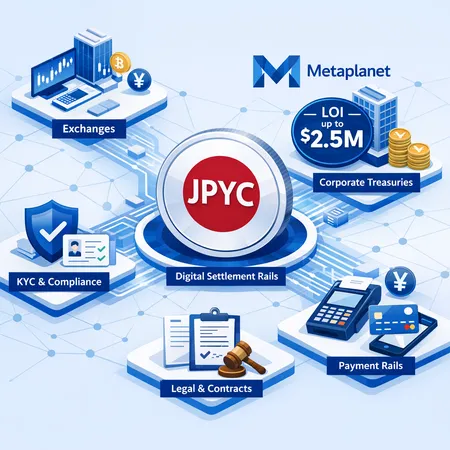
Metaplanet’s up-to-$2.5M Letter of Intent for JPYC positions a Japan-centric stablecoin as a potential settlement rail for corporates and remittances. This piece examines regulatory trade-offs, partnership pathways, and practical adoption scenarios for payments architects and treasurers.
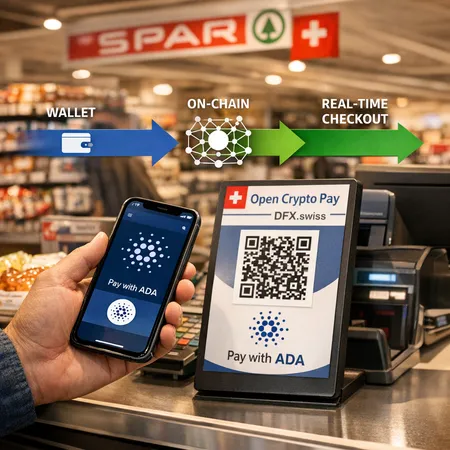
DFX.swiss and Open Crypto Pay enabled native ADA checkouts across 137 SPAR supermarkets in Switzerland, a major retail pilot for Cardano. This case study examines the integration architecture, merchant settlement flows, regulatory friction, on‑chain impacts, and practical lessons for other blockchains.

Western Union’s USDPT launch on Solana — via a Crossmint partnership — is a deliberate bet on cheap, fast rails that could reshape stablecoin competition and on‑chain payments. This article assesses the deal structure, why Solana was chosen, regulatory friction points, and short‑ to medium‑term implications for SOL and XRP.
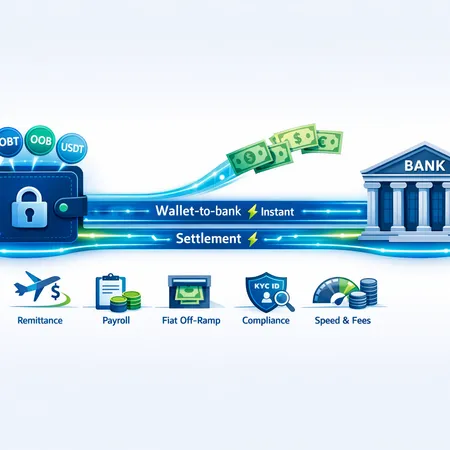
Oobit's wallet-to-bank stablecoin settlement promises instant conversion of self-custody stablecoins into local fiat bank deposits, potentially bypassing traditional exchange rails. This analysis covers the tech, compliance tradeoffs, settlement rails, and commercial implications for remittances, payroll, and fiat on/off‑ramps.
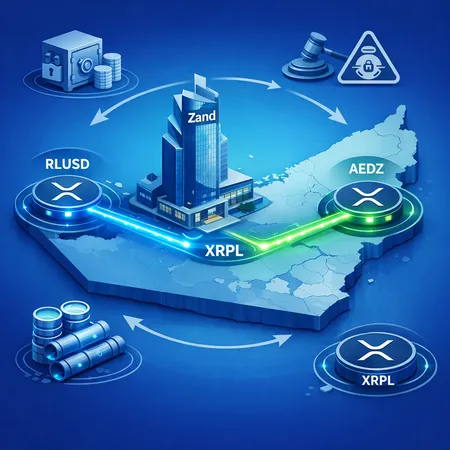
Ripple expanded its Zand Bank partnership to create RLUSD ↔ AEDZ rails on the XRP Ledger, aiming to turn stablecoins into practical cross‑border plumbing for Gulf and regional corridors. This piece breaks down what the integration enables, why the UAE is the launchpad, and the practical decisions payments teams must make.
DeFi
All DeFi postsBitcoin
All Bitcoin postsCustody
All Custody postsTrading
All Trading posts- Bitcoin Derivatives: Why a 50% Open Interest Drop and Wild Funding Rates Signal a Big Move
- Solana Risk Assessment After the Drift $285M Exploit: Price Damage, Supports, and Actionable Trading & Validator Controls
- Is Ethereum Completing a Multi‑Year Accumulation? Weekly TA, Derivatives Signals, and a Practical Trade Checklist