Ripple
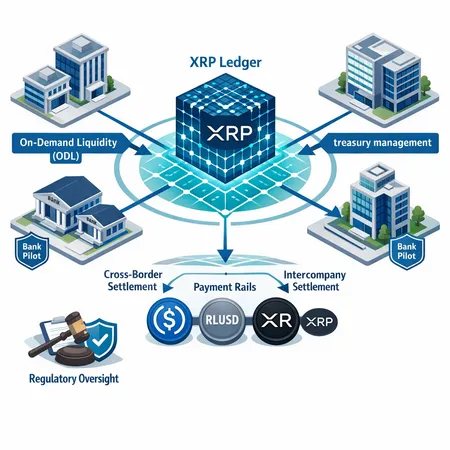
As banks and corporates pilot on-ledger settlement, Ripple’s stack — from XRP and On-Demand Liquidity to native enterprise stablecoins and a treasury-management roadmap — deserves a focused evaluation. This article breaks down who’s testing Ripple, how USDC and RLUSD on the XRP Ledger change settlement economics, and what treasury teams should measure in pilots.
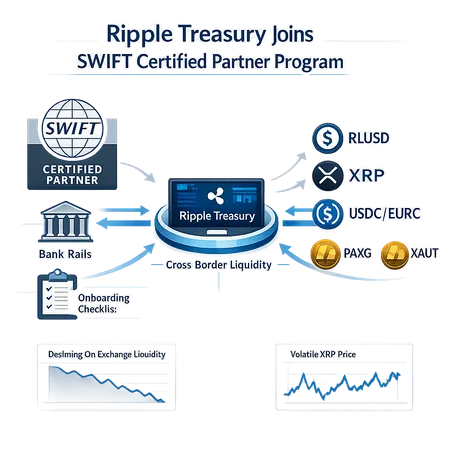
Ripple’s Treasury platform entering the SWIFT Certified Partner Program is a meaningful operational milestone for bank onboarding and tokenized-asset rails — but market liquidity for XRP and RLUSD still signals limits to near-term mainstream settlement use. This analysis unpacks the technical, commercial and liquidity gaps institutions should watch.
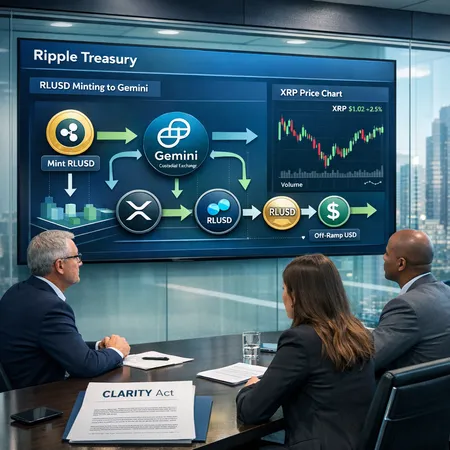
Ripple is pitching Ripple Treasury and RLUSD as a new corporate finance stack — a faster on‑ramp/off‑ramp for institutions with implications for XRP liquidity and regulatory risk. This article evaluates the product case, the recent RLUSD mint linked to Gemini, and how the CLARITY Act could change enterprise adoption math.
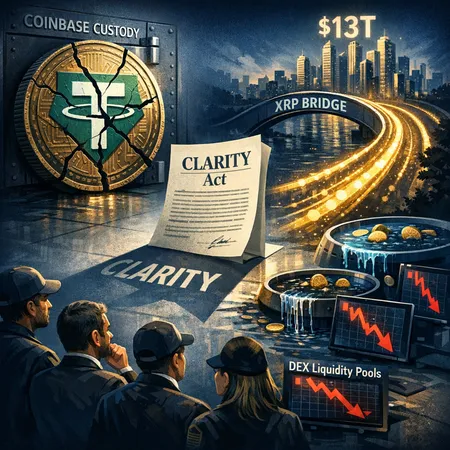
Regulatory friction and market shifts are splintering the stablecoin landscape. Tether’s public rebuke of Coinbase, fresh data signaling USDT weakness, and Ripple’s institutional playpoint point to a near-term liquidity bifurcation.
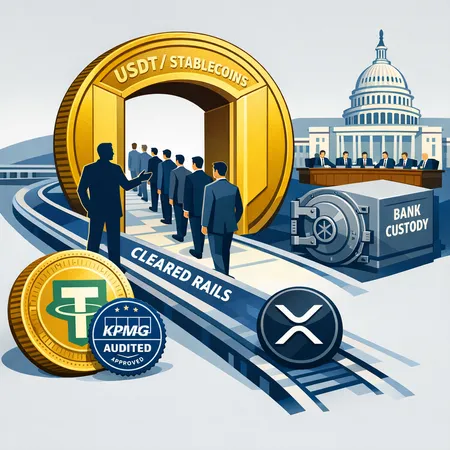
Stablecoins are poised to unlock enterprise crypto adoption by bridging banking rails, custody and regulatory expectations. Recent moves—from Brad Garlinghouse's framing to Tether's KPMG audit—signal a shift toward institutional readiness and policy debate over cleared payment rails.
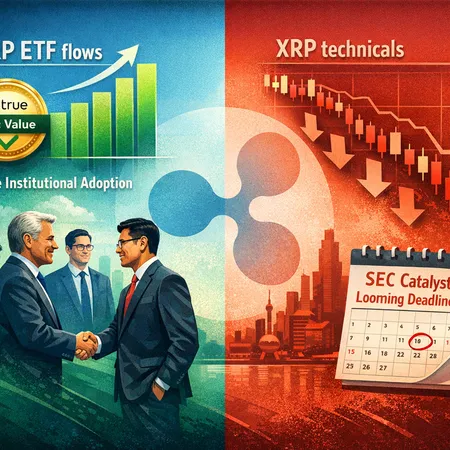
XRP is sending mixed signals to institutional allocators: spot ETF inflows and corporate endorsements clash with technical weakness, regulatory overhang, and uneven liquidity. This feature dissects the evidence and ends with a practical checklist for institutions weighing XRP exposure.
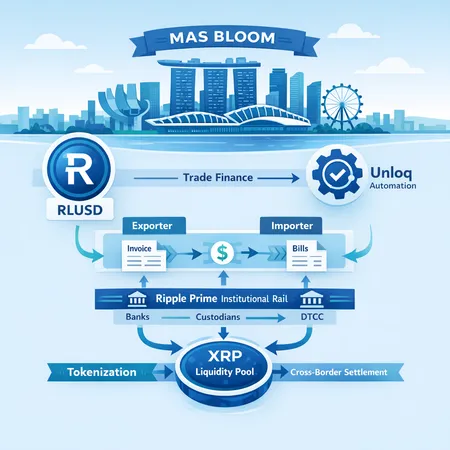
Ripple’s RLUSD pilot inside MAS BLOOM and Ripple Prime’s institutional integrations signal a step toward tokenized trade finance and faster cross-border settlement. This analysis examines pilot mechanics, rails alignment with DTCC timelines, and implications for treasury teams.
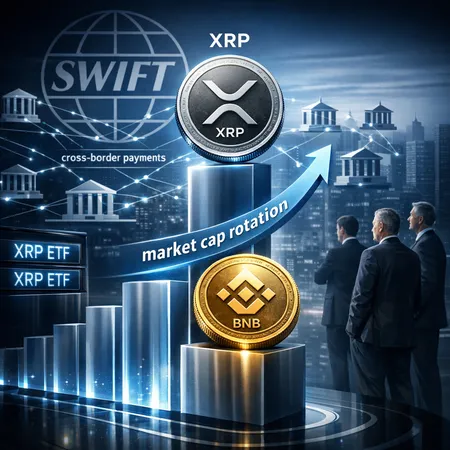
XRP surpassing BNB in market capitalization is more than a ranking change — it’s a signpost for how markets, institutions, and payment rails are reshaping around token utility. This article dissects the mechanics of the reshuffle, SWIFT’s nod to Ripple-linked banks, the rise of XRP ETFs, and what it means for enterprise on‑ramps and cross-border payments.
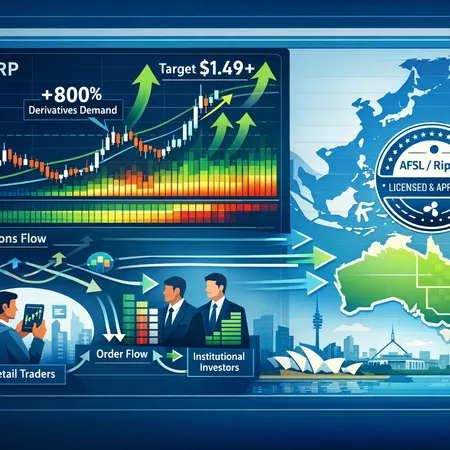
XRP derivatives demand has exploded, driven by a mix of retail gamma and growing institutional conviction after Ripple secured an Australian AFSL. Traders should read the new options flow, technical bull signals toward $1.49+, and practical hedging ideas for the changing market structure.
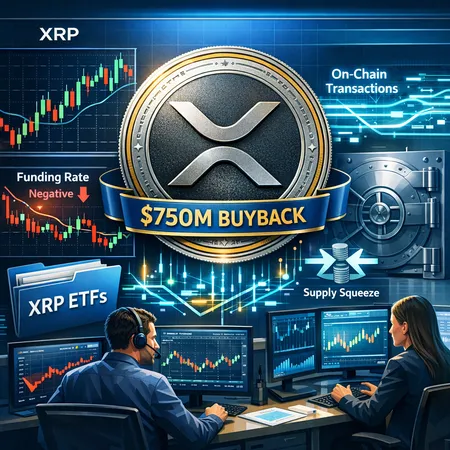
Ripple’s $750 million buyback is a clear corporate signal, but by itself it won’t magically rewrite XRP’s market structure. Traders should weigh buyback cadence, ETF demand, on‑chain transaction growth, and persistent funding‑rate weakness before assuming a sustainable supply squeeze.
DeFi
All DeFi postsBitcoin
All Bitcoin postsSecurity
All Security posts- Solana Risk Assessment After the Drift $285M Exploit: Price Damage, Supports, and Actionable Trading & Validator Controls
- Preparing for the Quantum Era: Post-Quantum Security for Stablecoin Rails — Arc & Naoris Case Studies
- Inside the April 1 Drift Protocol Hack: Reconstruction, North Korea Links, and a DeFi Security Playbook