USDC
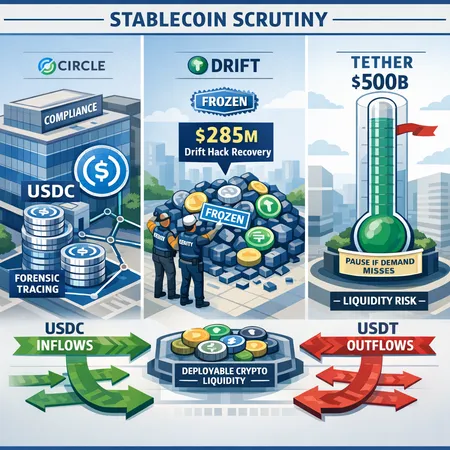
Recent high‑profile incidents involving USDC and Tether have reignited questions about stablecoin compliance, forensic tracing and the liquidity risks institutions must manage. This article reconstructs the events and outlines implications for compliance officers, risk managers and treasuries.
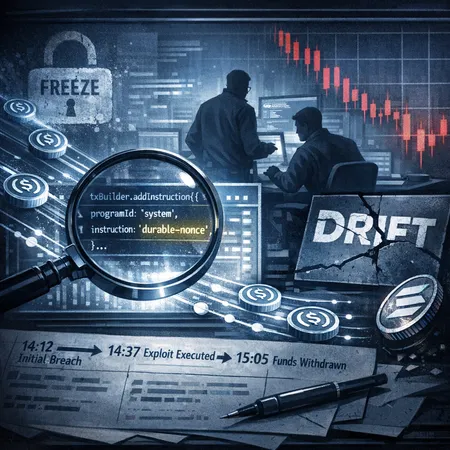
A forensic reconstruction of the Drift exploit on Solana: how a durable‑nonce attack let roughly $280–300M in USDC move, why transfers weren’t quickly frozen, the immediate SOL price and liquidity fallout, and what this means for DeFi security on high‑throughput L1s.

A senior Tether executive’s new role as chair of a major crypto super PAC signals a strategic shift in Washington advocacy that could reshape the CLARITY Act’s outcome and the future of stablecoin compliance. This article analyzes the appointment, the key policy flashpoints, likely pathways of influence, and a tactical playbook for legal and PR teams.
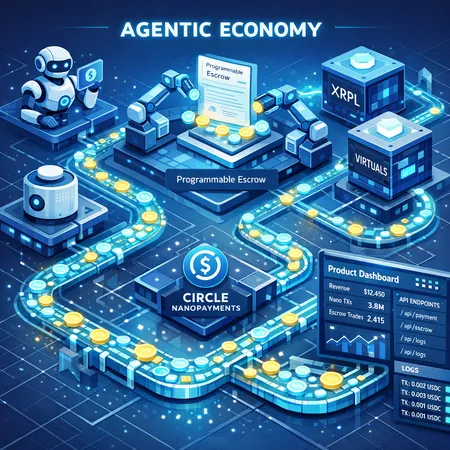
This deep dive explains how gas-free USDC nanopayments enable machine-to-machine commerce and cross-chain AI agents, with architecture patterns, use cases, and regulatory considerations for product managers. Practical guidance covers programmable escrow, XRPL comparisons, and UX hurdles for API-first micropayment flows.
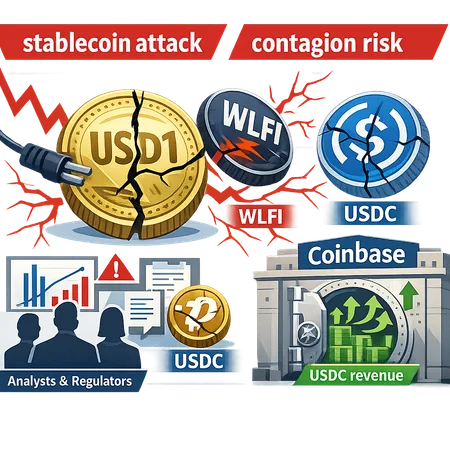
A coordinated attack pushed WLFI’s USD1 peg off-kilter and sent shockwaves through smaller markets — exposing structural weaknesses in non-USD-pegged stablecoins and concentration risk among tiny issuers. This analysis unpacks the timeline, market impact, contagion pathways, and what regulated players should change to limit counterparty exposure.
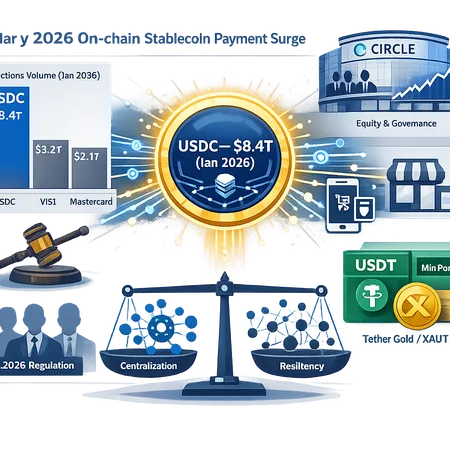
January 2026 saw on‑chain stablecoin payments explode, led by USDC processing an estimated $8.4 trillion in a single month—an event that recalibrates payments, competition, custody, and regulation. This article breaks down the scale, why USDC dominated, how rivals like Tether are responding, and what regulators will likely focus on next.
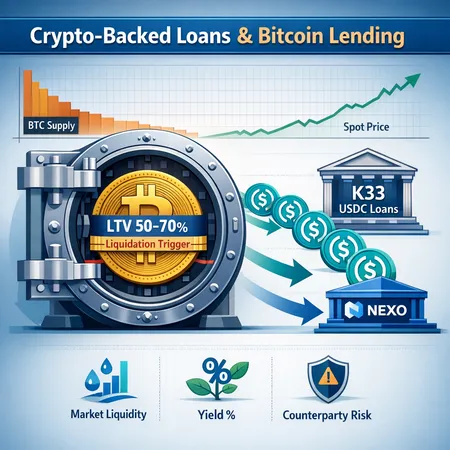
K33’s new USDC loans collateralized by Bitcoin mark a step toward more institutionalized, balance-sheet-friendly borrowing in crypto. This analysis examines product mechanics, comparisons with incumbents like NEXO, effects on BTC exchange supply and spot liquidity, and the regulatory and counterparty risks investors should weigh.
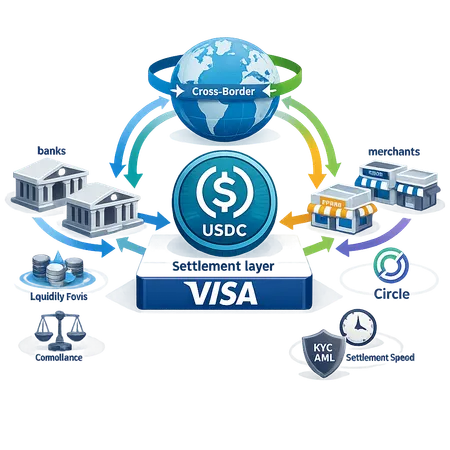
Visa’s expansion of a USDC settlement pilot to U.S. banks signals a potential shift in how card networks and banks think about the settlement layer. This analysis explores merchant flows, operational and regulatory implications for banks and card networks, and the likely liquidity and demand effects for USDC and Circle.

Visa’s pilot to settle U.S. transactions using USDC on Solana is a watershed for real-world stablecoin rails — it demonstrates issuer-to-acquirer on‑chain settlement and exposes new tradeoffs in speed, cost, and compliance. Payments and product teams must weigh throughput, liquidity, custody and regulatory controls when designing enterprise-grade on‑chain settlement.
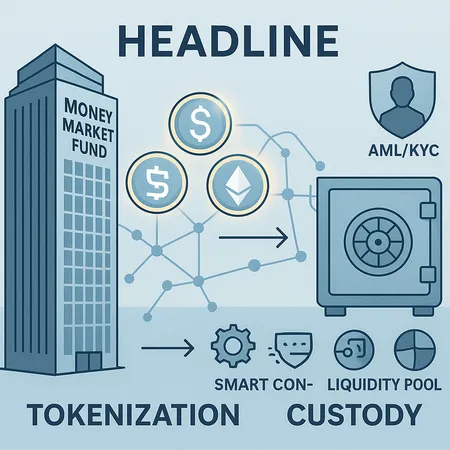
Traditional finance is increasingly tokenizing cash and adopting crypto rails to speed settlement and reduce operational friction. This article breaks down recent bank and broker moves, custody and compliance trade‑offs, and how asset managers can pilot tokenized cash products.
DeFi
All DeFi postsBitcoin
All Bitcoin postsSecurity
All Security posts- Solana Risk Assessment After the Drift $285M Exploit: Price Damage, Supports, and Actionable Trading & Validator Controls
- Preparing for the Quantum Era: Post-Quantum Security for Stablecoin Rails — Arc & Naoris Case Studies
- Inside the April 1 Drift Protocol Hack: Reconstruction, North Korea Links, and a DeFi Security Playbook