USDT

A senior Tether executive’s new role as chair of a major crypto super PAC signals a strategic shift in Washington advocacy that could reshape the CLARITY Act’s outcome and the future of stablecoin compliance. This article analyzes the appointment, the key policy flashpoints, likely pathways of influence, and a tactical playbook for legal and PR teams.
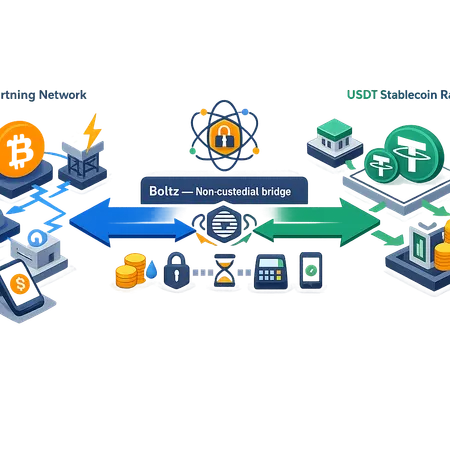
Boltz’s new non‑custodial USDT Swaps connect Lightning to major stablecoin rails, enabling near‑instant BTC on/off‑ramps without custody. This explainer breaks down the architecture, channel mechanics, security/UX tradeoffs and adoption barriers for product managers and dev‑savvy crypto teams.
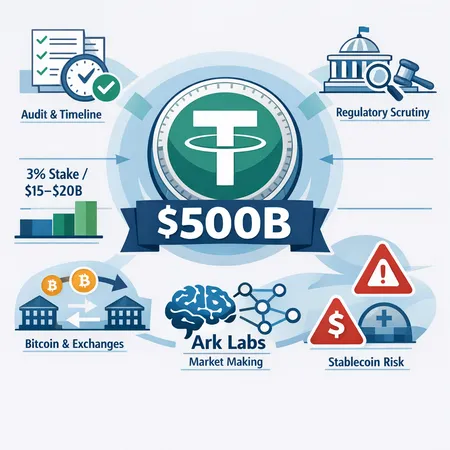
Recent market chatter about a $500B-plus private valuation for Tether and reports of a $15–$20B fundraise for a 3% stake have reignited questions about USDT’s dominance, audit transparency, and systemic risk. This article evaluates what those numbers mean, how strategic bets like Ark Labs involvement could move BTC flows, and practical steps exchanges and funds should take to manage stablecoin risk.
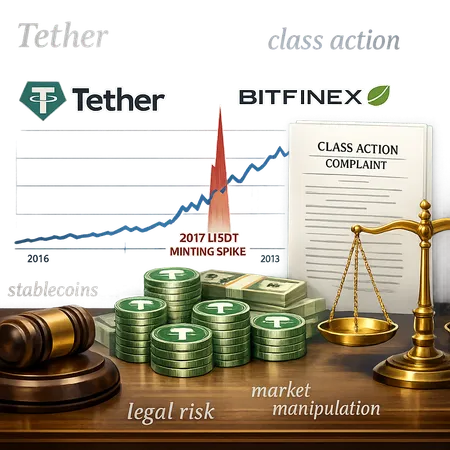
A U.S. federal court has allowed the Tether–Bitfinex dispute to proceed as a class action, raising fresh questions about USDT minting, alleged 2017 price manipulation, and systemic stablecoin risk. Compliance officers, treasury teams, and investors should reassess counterparty exposure and liquidity plans now.
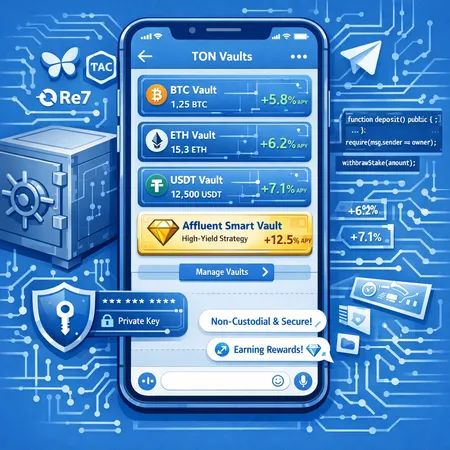
Telegram’s TON Wallet Vaults now surface onchain yield strategies for BTC, ETH and USDT via Morpho/TAC/Re7 integrations. This article breaks down mechanics, custody trade‑offs, UX/security implications, regulatory vectors and competitive pressure on exchanges.
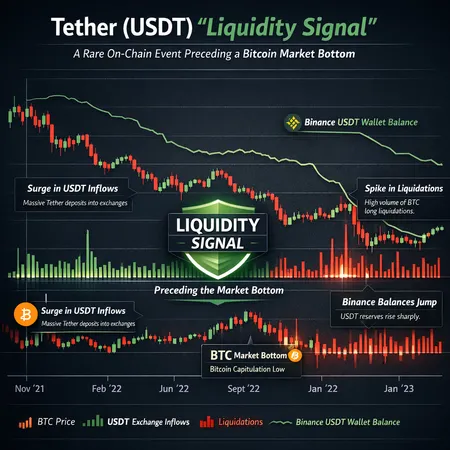
A rare on-chain USDT liquidity signal has reappeared amid a volatile Bitcoin sell-off. This article explains how the signal is measured, its lone historical precedent, how it interacts with liquidations and Binance balances, and practical risk steps traders and portfolio managers should take.
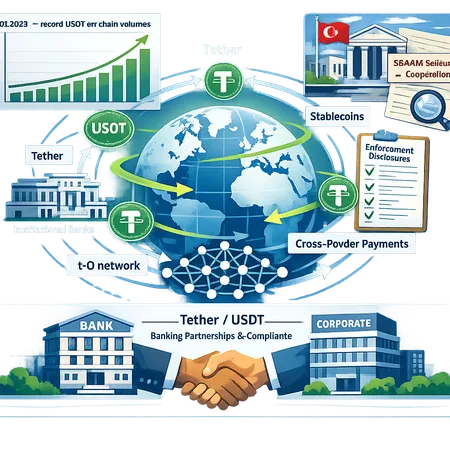
Tether is shifting from a pure liquidity provider to an active participant in enforcement cooperation and institutional settlement. This primer reviews its role in a $544M Turkish seizure, record USDT on-chain flows in Q4 2025, and its bet on the t-0 settlement network — and what that means for stablecoin adoption, banks, and regulators.

Tether’s decision to shrink a planned multi‑billion fundraising round highlights investor concerns about private valuations and stablecoin counterparty risk. The move has implications for USDT’s market confidence and strategic choices across the stablecoin sector.

Rumble’s new noncustodial wallet (built with Tether) embeds USDT payments directly into the video platform, enabling tipping, payouts and new monetization primitives. This piece explains custody UX, settlement flows, competitive tradeoffs (WalletConnect and in‑app wallets) and practical onboarding/KYC and revenue advice for creators and product teams.
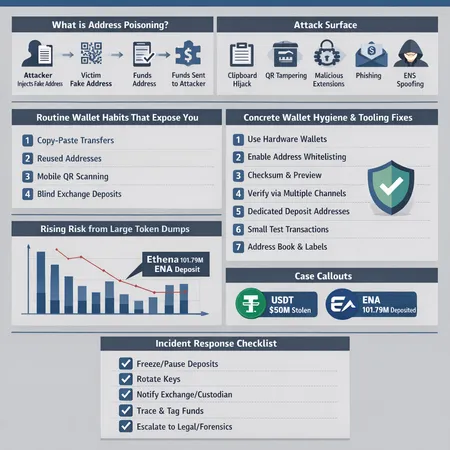
A technical, actionable guide on address-poisoning scams and exchange deposit risks after the near-$50M USDT theft. Practical hygiene, tooling fixes, and an incident-response checklist for traders, custodians and security engineers.
DeFi
All DeFi postsBitcoin
All Bitcoin postsSecurity
All Security posts- Solana Risk Assessment After the Drift $285M Exploit: Price Damage, Supports, and Actionable Trading & Validator Controls
- Preparing for the Quantum Era: Post-Quantum Security for Stablecoin Rails — Arc & Naoris Case Studies
- Inside the April 1 Drift Protocol Hack: Reconstruction, North Korea Links, and a DeFi Security Playbook