Blockchain
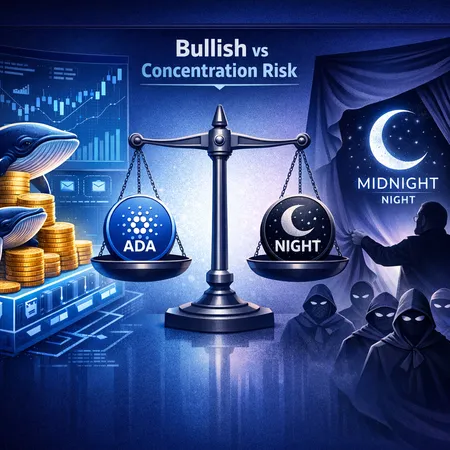
Recent on‑chain data shows sustained ADA accumulation by large wallets even as Cardano founder Charles Hoskinson pushes the privacy project Midnight (NIGHT). This piece weighs bullish signals from whale buying against concentration and leadership‑risk around Midnight, with practical guidance for ADA holders.
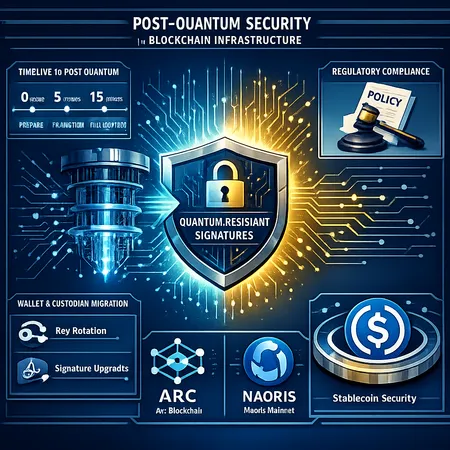
Quantum computers will reshape cryptographic risk models; this analysis explains why stablecoin rails and national-security-conscious blockchains are prioritizing post-quantum signatures now, with practical timelines, migration strategies, and policy implications. Case studies: Circle’s ARC and the Naoris mainnet launch.
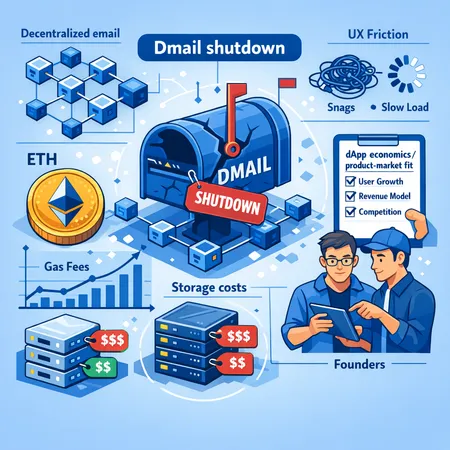
Dmail's shutdown highlights the harsh cost realities of running decentralized email at scale. This article analyzes the drivers of those costs, parallels with broader dApp infrastructure problems, and a practical checklist for founders designing sustainable decentralized messaging.
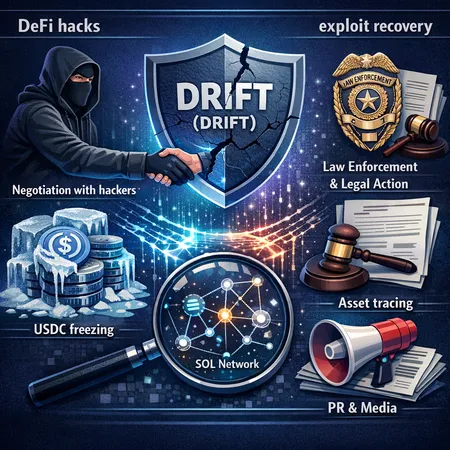
The Drift exploit exposed a shifting DeFi incident-response landscape: teams are weighing negotiations with alleged DPRK-linked attackers, stablecoin freezing limits, and the practical limits of on-chain recovery. This article outlines a pragmatic, legally informed playbook for protocol teams, security leads, and counsel.
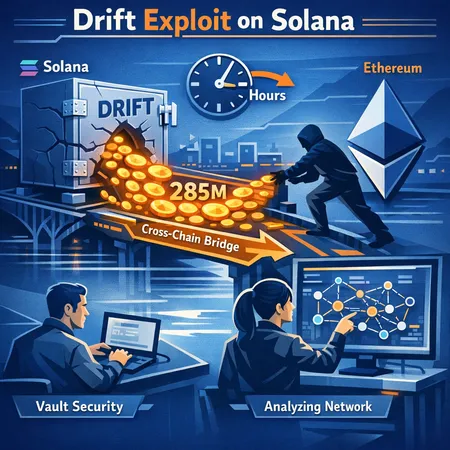
The $285M drain of Drift Protocol on Solana exposed critical cross‑chain and vault risks: attackers moved fast, bridged to Ethereum within hours, and amplified systemic exposure. This article reconstructs the likely attack flow, analyzes attacker behaviour, assesses implications for Solana DEX security and cross‑chain risk, and offers practical engineering and governance mitigations.
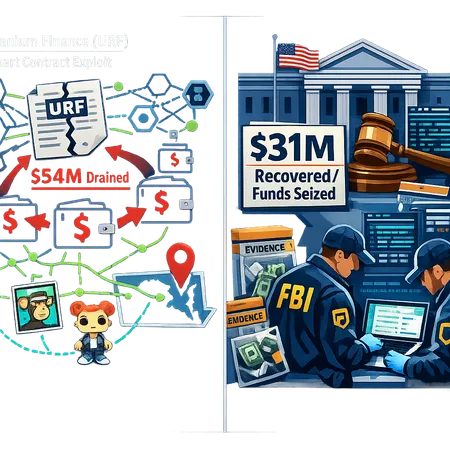
An investigative explainer on the Uranium Finance (URF) exploits, the U.S. revival of the case, a $31M crypto seizure, and forensic and legal lessons for DeFi teams. Practical steps for protocols to reduce exposure and improve recovery readiness are included.
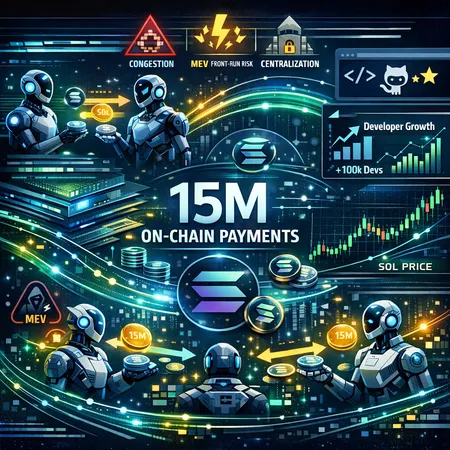
The Solana Foundation’s report of 15 million on-chain AI-agent payments reframes Solana as an early backbone for an agentic internet built on microtransactions. This feature explains what AI agents are, why Solana’s throughput and fee model matters, the economics that will power agent-to-agent commerce, and the attendant technical and market risks for SOL and developers.
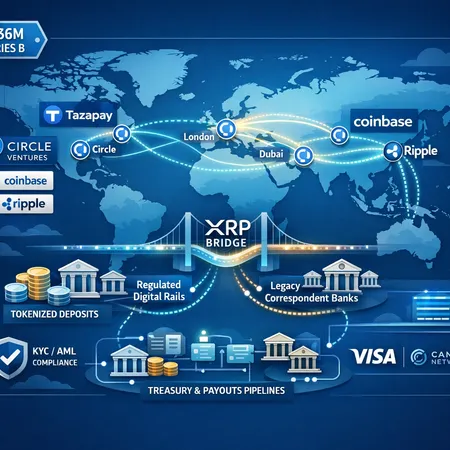
The Circle-led $36M Series B extension in Tazapay marks a clear VC bet on regulated, stablecoin-ready payment rails competing with correspondent banking. This article breaks down the deal, technical and compliance requirements to scale globally, interplay with institutional moves like Visa on Canton, and implications for Ripple and XRP.
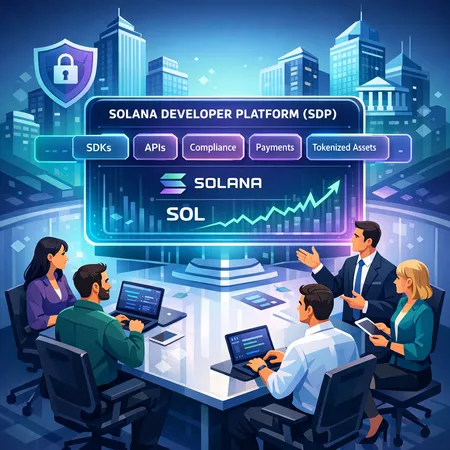
The Solana Developer Platform (SDP) aims to make compliant, enterprise-grade financial products easier to build. This article evaluates SDP’s features, likely first use cases, developer-economics implications, and whether the move supports a medium-term bullish view on SOL.
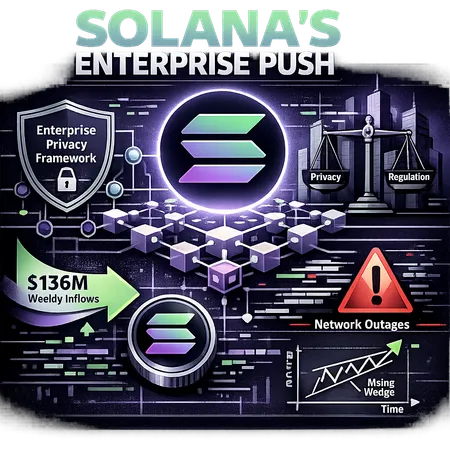
Solana’s new enterprise privacy framework and a recent $136M weekly inflow raise fresh questions about whether confidentiality features plus heavy capital can shift institutional appetite — or if technical and price risks still outweigh the upside.
DeFi
All DeFi postsBitcoin
All Bitcoin postsSecurity
All Security posts- Solana Risk Assessment After the Drift $285M Exploit: Price Damage, Supports, and Actionable Trading & Validator Controls
- Preparing for the Quantum Era: Post-Quantum Security for Stablecoin Rails — Arc & Naoris Case Studies
- Inside the April 1 Drift Protocol Hack: Reconstruction, North Korea Links, and a DeFi Security Playbook