XRPL
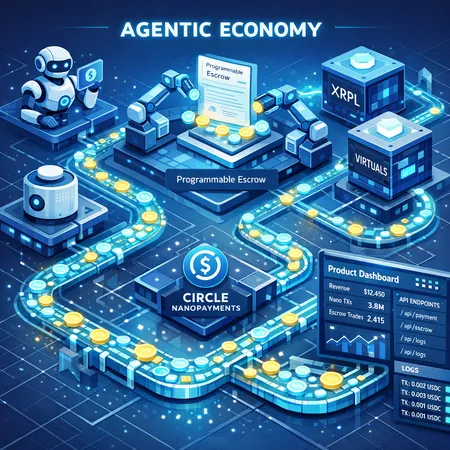
This deep dive explains how gas-free USDC nanopayments enable machine-to-machine commerce and cross-chain AI agents, with architecture patterns, use cases, and regulatory considerations for product managers. Practical guidance covers programmable escrow, XRPL comparisons, and UX hurdles for API-first micropayment flows.
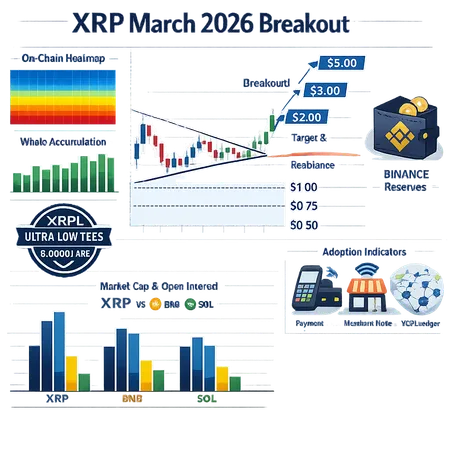
A data-driven look at why XRP’s March 2026 breakout mattered: surging XRPL activity, concentrated whale accumulation, and ultra-low fees helped flip BNB in open interest and hint at fresh upside — plus a tactical roadmap for traders and product teams.
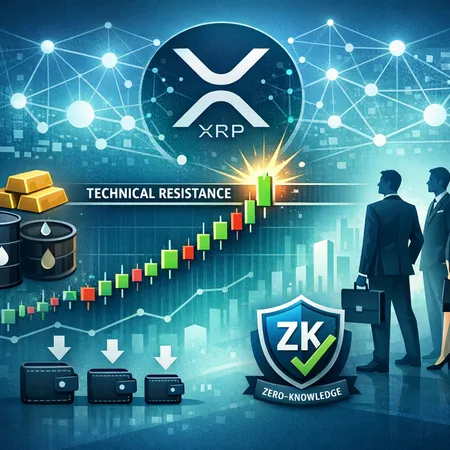
XRP's March 2026 breakout — driven by higher-lows into a major resistance — has reopened conversations about XRPL's institutional rails, tokenized commodities growth, and proposed zero-knowledge privacy upgrades. This article unpacks the technicals, catalysts, protocol developments, and practical trade/positioning implications.
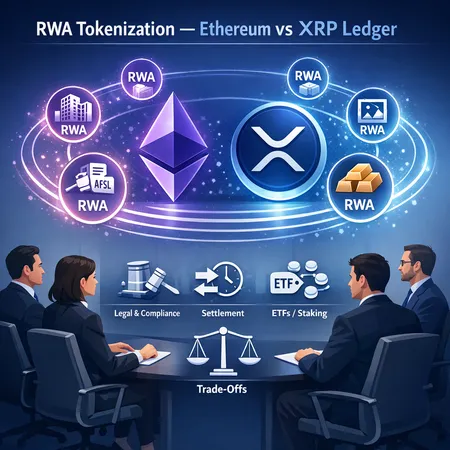
Real-world asset (RWA) tokenization is moving from pilots to production, and both Ethereum and the XRP Ledger are emerging as institutional rails. This article explains technical and regulatory trade-offs, custody and staking implications, and practical steps for institutions planning RWA pilots.
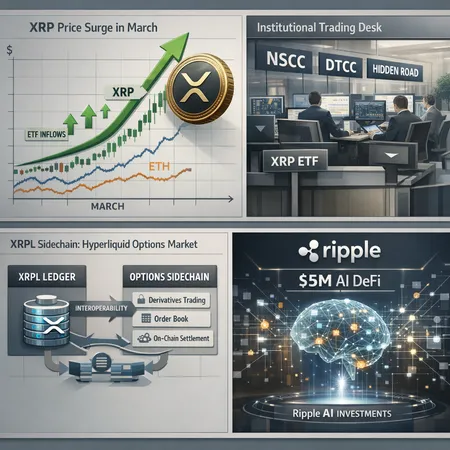
XRP’s early‑March rebound has renewed chatter about institutional adoption and tradability. This article evaluates Hidden Road/DTCC integration, an XRPL options sidechain proposal, and Ripple’s AI bets to judge whether these developments can meaningfully boost on‑chain demand and institutional flows.
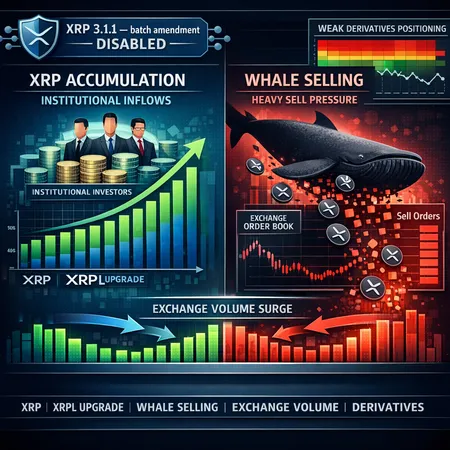
XRP shows conflicting signals: reports of institution-driven accumulation and record exchange volumes sit alongside whale selling and weak derivatives positioning. The recent XRPL v3.1.1 change that disables the Batch amendment also alters the protocol risk profile traders should weigh.
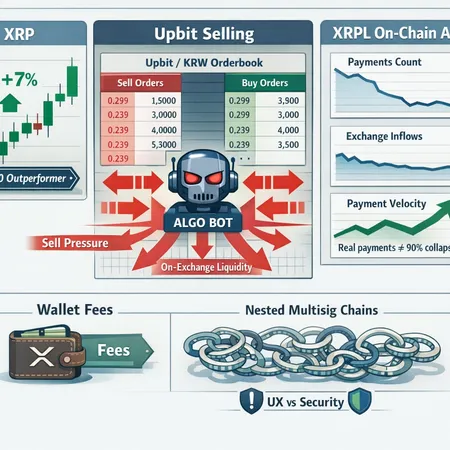
XRP has been a top‑10 price outperformer, yet XRPL payment volume, exchange flow data and community disputes paint a stressed picture. This article unpacks the technicals, on‑chain metrics, Upbit selling reports, the Xaman wallet fee row and scenarios that reconcile the rally with degraded on‑chain activity.
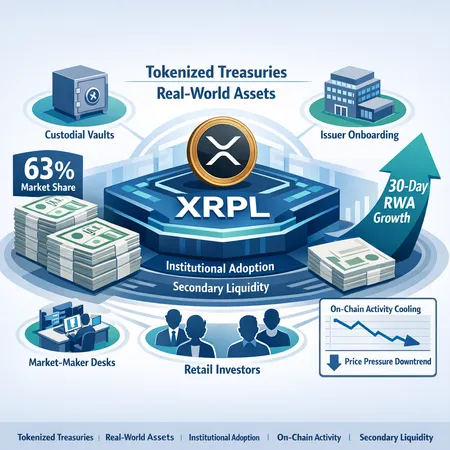
The XRP Ledger has become the primary rails for tokenized U.S. Treasuries and is posting rapid short‑term RWA growth, but issuance metrics mask weaker on‑chain activity and price pressure. Institutional product teams should separate custody and issuance flows from secondary liquidity when evaluating XRPL as an RWA backbone.
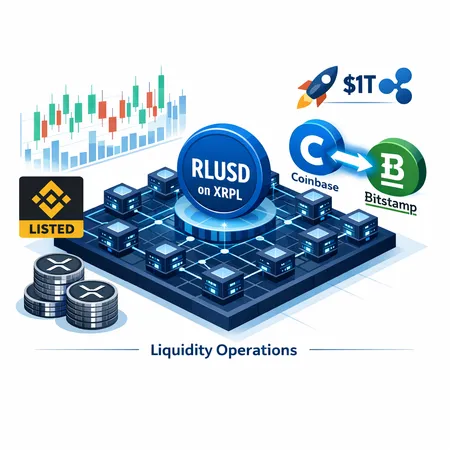
Ripple’s RLUSD landing on Binance’s XRP Ledger is a strategic milestone that enhances stablecoin utility and on‑chain liquidity. Large on‑chain XRP movements tied to exchanges may reflect deeper liquidity operations that investors should monitor.
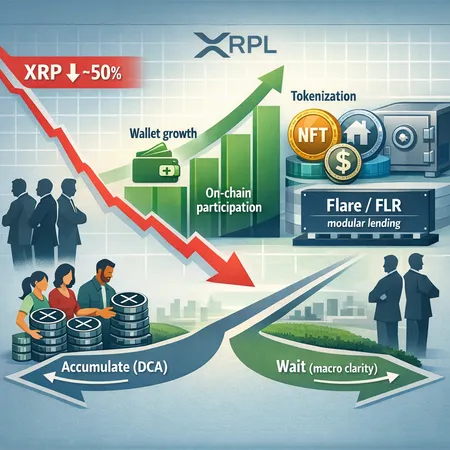
XRP wallet addresses and on‑chain activity are climbing even as price drops close to 50%, creating a tricky signal for investors. This article unpacks the metrics, institutional context, new XRPL yield rails, and practical accumulation frameworks.
DeFi
All DeFi postsBitcoin
All Bitcoin postsSecurity
All Security posts- Solana Security After Drift: STRIDE, Protocol Risks, and Near-Term Price Implications
- Solana Risk Assessment After the Drift $285M Exploit: Price Damage, Supports, and Actionable Trading & Validator Controls
- Preparing for the Quantum Era: Post-Quantum Security for Stablecoin Rails — Arc & Naoris Case Studies
Stablecoins
All Stablecoins postsSolana
All Solana posts- Inside the April 1 Drift Protocol Hack: Reconstruction, North Korea Links, and a DeFi Security Playbook
- Inside the $280M Drift Protocol Hack: Forensic Timeline, Attribution, and a Hardening Playbook
- Inside the $285M Drift Protocol Heist: Attack Flow, Fast Bridging, and How DeFi Teams Should Harden Vaults