Solana
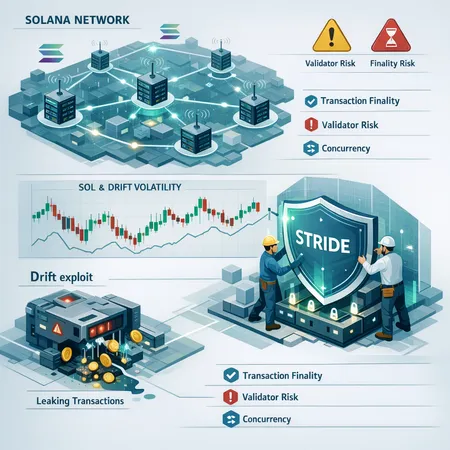
A deep dive into what the Drift exploit revealed about Solana's architecture, how the Solana Foundation’s STRIDE programme aims to reduce repeat incidents, and what this means for SOL price and trader behavior. Actionable recommendations for DeFi teams and users building on Solana are included.
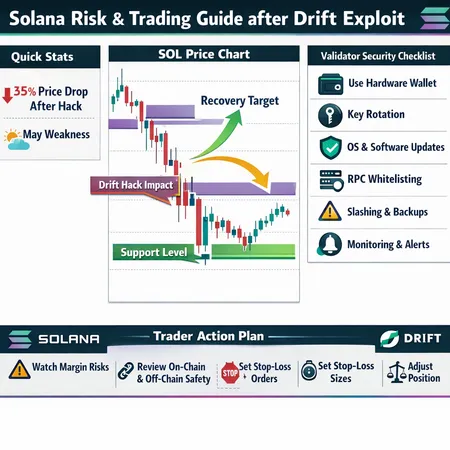
A concise roadmap for traders and node operators to quantify the short-term SOL price damage from the Drift exploit, map likely support/resistance, and implement on-chain and operational risk controls.
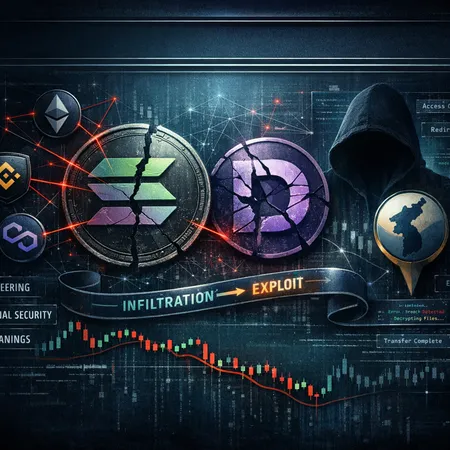
A detailed post-mortem of the April 1 Drift Protocol hack: reconstructed attack chain, how social engineering and in-person tactics enabled months-long infiltration, evidence tying the operation to North Korean actors, and a practical checklist for DeFi risk teams.
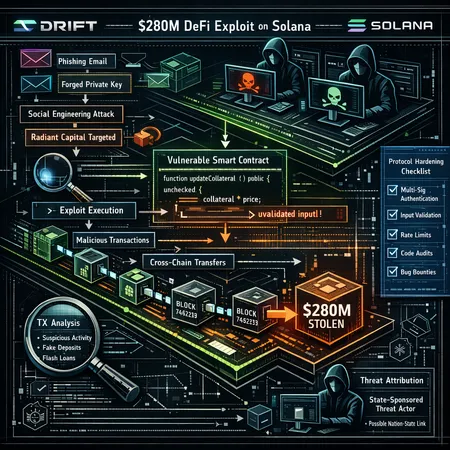
A deep post‑mortem of the $280M Drift Protocol exploit on Solana that reconstructs a months‑long intrusion, traces ties to prior Radiant Capital actors, and lays out prioritized defenses DeFi engineers should implement now.
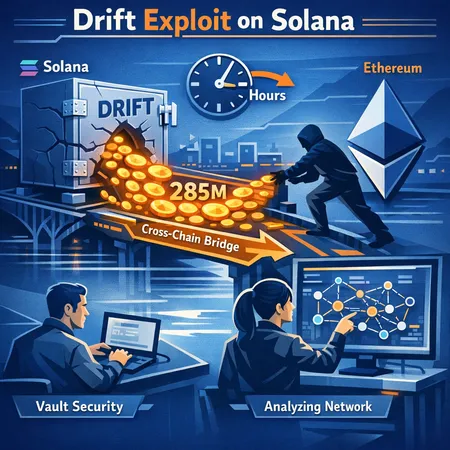
The $285M drain of Drift Protocol on Solana exposed critical cross‑chain and vault risks: attackers moved fast, bridged to Ethereum within hours, and amplified systemic exposure. This article reconstructs the likely attack flow, analyzes attacker behaviour, assesses implications for Solana DEX security and cross‑chain risk, and offers practical engineering and governance mitigations.
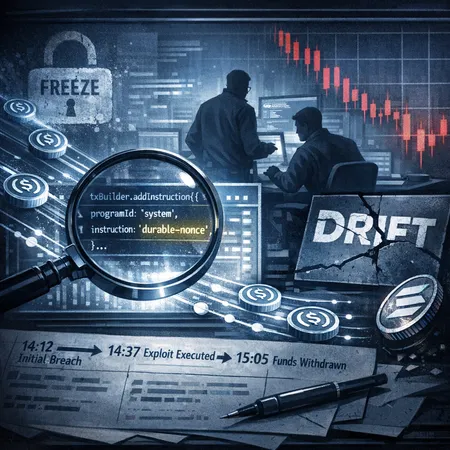
A forensic reconstruction of the Drift exploit on Solana: how a durable‑nonce attack let roughly $280–300M in USDC move, why transfers weren’t quickly frozen, the immediate SOL price and liquidity fallout, and what this means for DeFi security on high‑throughput L1s.
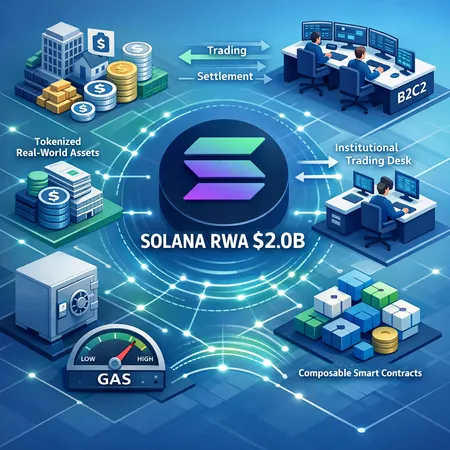
Solana recently crossed a $2.0B milestone in distributed real‑world assets tracked on RWA.xyz — a signal worth parsing. This article breaks down what the number actually means, the operational case for institutional settlement (including B2C2’s routing for stablecoins), and practical risks and opportunities for builders and product teams.

Solana staking yields are compressing due to protocol-driven supply dynamics, ecosystem revenue decline and validator competition. This analysis explains the drivers, compares emerging BTC reward models, and gives a risk-adjusted framework and practical steps for validators and delegated stakers.
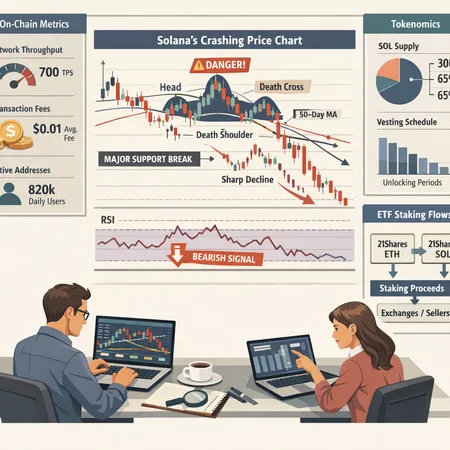
SOL’s on‑chain activity and new ETF staking distributions paint a mixed picture: strong throughput but weak price action. This article unpacks the drawdown, staking proceeds dynamics, and pragmatic trading scenarios for DeFi traders and on‑chain analysts.
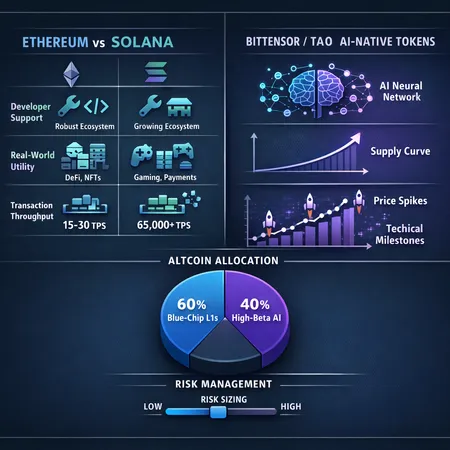
A practical framework for allocating between blue‑chip layer‑1 networks and higher‑beta AI-native tokens in 2026, weighing long‑term fundamentals against event‑driven technical milestones. Includes an Ethereum vs Solana head‑to‑head and a Bittensor (TAO) case study with sizing and risk rules for retail investors.
DeFi
All DeFi postsBitcoin
All Bitcoin postsSecurity
All Security posts- Solana Risk Assessment After the Drift $285M Exploit: Price Damage, Supports, and Actionable Trading & Validator Controls
- Preparing for the Quantum Era: Post-Quantum Security for Stablecoin Rails — Arc & Naoris Case Studies
- Inside the April 1 Drift Protocol Hack: Reconstruction, North Korea Links, and a DeFi Security Playbook