DeFi
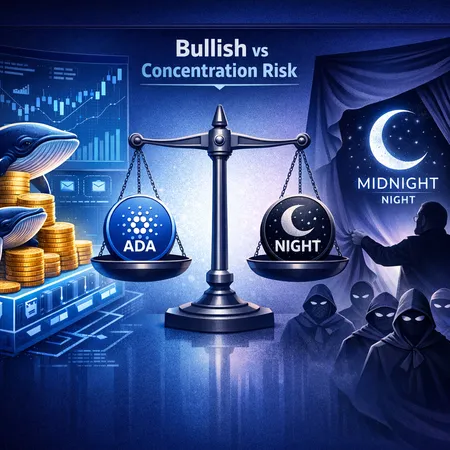
Recent on‑chain data shows sustained ADA accumulation by large wallets even as Cardano founder Charles Hoskinson pushes the privacy project Midnight (NIGHT). This piece weighs bullish signals from whale buying against concentration and leadership‑risk around Midnight, with practical guidance for ADA holders.
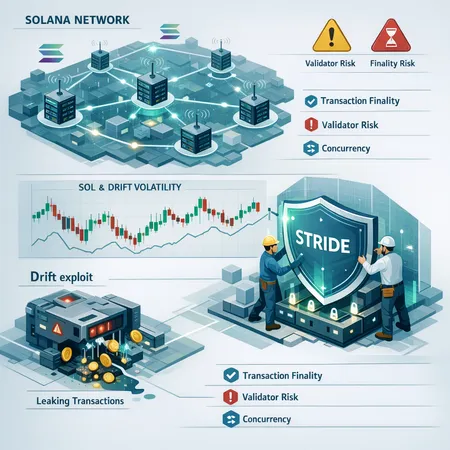
A deep dive into what the Drift exploit revealed about Solana's architecture, how the Solana Foundation’s STRIDE programme aims to reduce repeat incidents, and what this means for SOL price and trader behavior. Actionable recommendations for DeFi teams and users building on Solana are included.
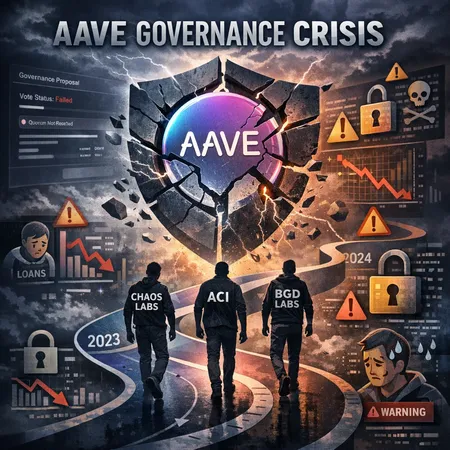
Aave is facing a governance and operational stress test after its primary risk manager and other contributors stepped back. This feature explains the timeline, why risk-manager loss matters, immediate lender/borrower risks, and a practical playbook for DAOs and institutional risk teams to stabilize risk operations.
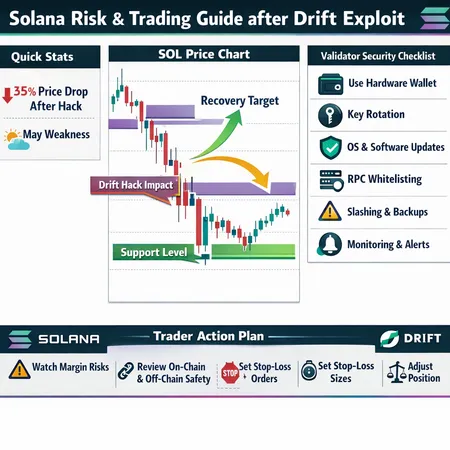
A concise roadmap for traders and node operators to quantify the short-term SOL price damage from the Drift exploit, map likely support/resistance, and implement on-chain and operational risk controls.
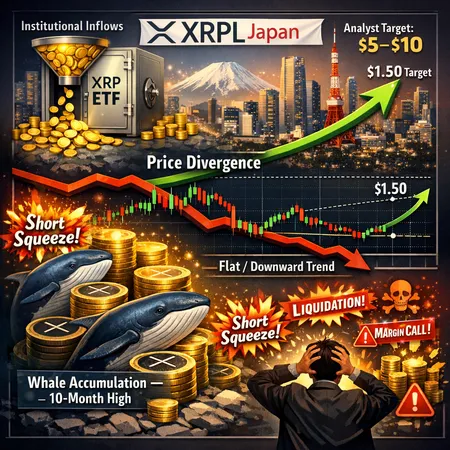
XRP shows a striking divergence: bullish institutional ETF flows and whale accumulation on one side, a weak spot price and volatile short squeezes on the other. This piece explains the market structure behind that split, technical targets, and practical trade frameworks for event-driven traders.
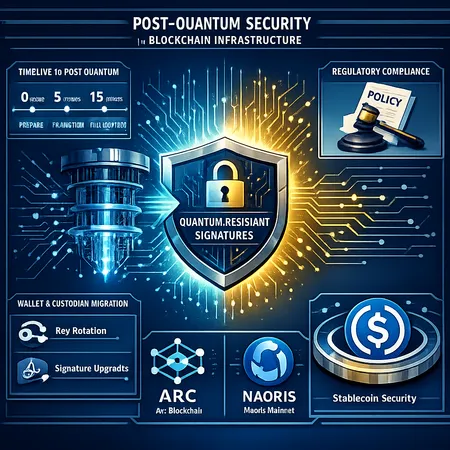
Quantum computers will reshape cryptographic risk models; this analysis explains why stablecoin rails and national-security-conscious blockchains are prioritizing post-quantum signatures now, with practical timelines, migration strategies, and policy implications. Case studies: Circle’s ARC and the Naoris mainnet launch.
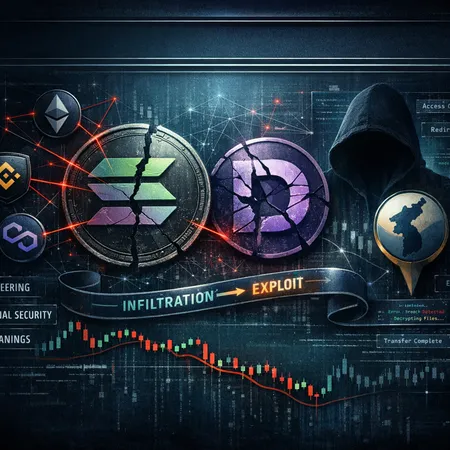
A detailed post-mortem of the April 1 Drift Protocol hack: reconstructed attack chain, how social engineering and in-person tactics enabled months-long infiltration, evidence tying the operation to North Korean actors, and a practical checklist for DeFi risk teams.
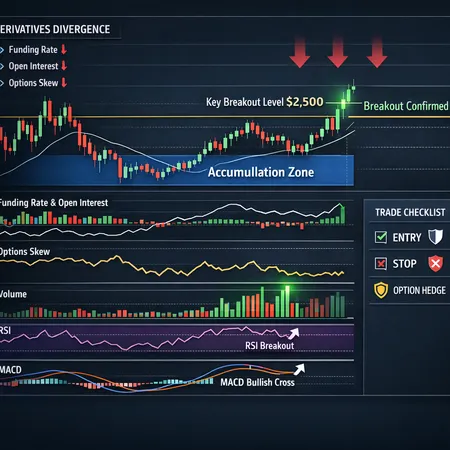
A technical and derivatives-driven look at whether ETH is finishing a multi-year accumulation and what would confirm a sustainable breakout — including key levels, divergence signals vs ETF pressure, macro liquidity catalysts, and a trader's checklist with hedges.
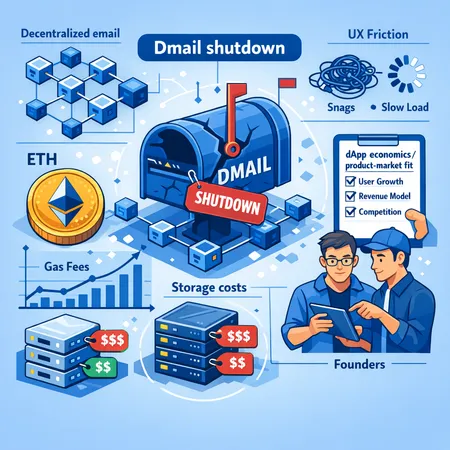
Dmail's shutdown highlights the harsh cost realities of running decentralized email at scale. This article analyzes the drivers of those costs, parallels with broader dApp infrastructure problems, and a practical checklist for founders designing sustainable decentralized messaging.

An investigative look at investor skepticism around Tether’s planned $500B fundraising and what surging USDT reserves on Binance reveal about institutional flows, risk-off behavior, and systemic implications for markets.
DeFi
All DeFi postsBitcoin
All Bitcoin postsSecurity
All Security posts- Solana Risk Assessment After the Drift $285M Exploit: Price Damage, Supports, and Actionable Trading & Validator Controls
- Preparing for the Quantum Era: Post-Quantum Security for Stablecoin Rails — Arc & Naoris Case Studies
- Inside the April 1 Drift Protocol Hack: Reconstruction, North Korea Links, and a DeFi Security Playbook