Stablecoin
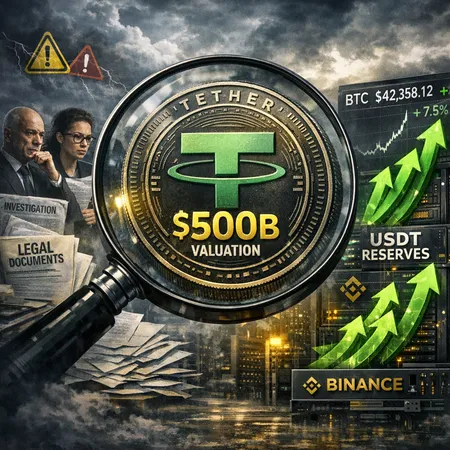
An investigative look at investor skepticism around Tether’s planned $500B fundraising and what surging USDT reserves on Binance reveal about institutional flows, risk-off behavior, and systemic implications for markets.

Regulatory friction and market shifts are splintering the stablecoin landscape. Tether’s public rebuke of Coinbase, fresh data signaling USDT weakness, and Ripple’s institutional playpoint point to a near-term liquidity bifurcation.
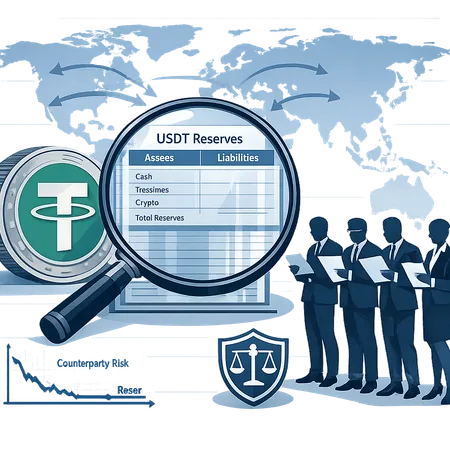
Tether's move to retain a Big Four auditor marks a potential turning point for stablecoin transparency and market structure. For institutional allocators and compliance officers, a formal audit of USDT reserves could reshape counterparty-risk pricing and force peers to adopt stricter disclosure practices.
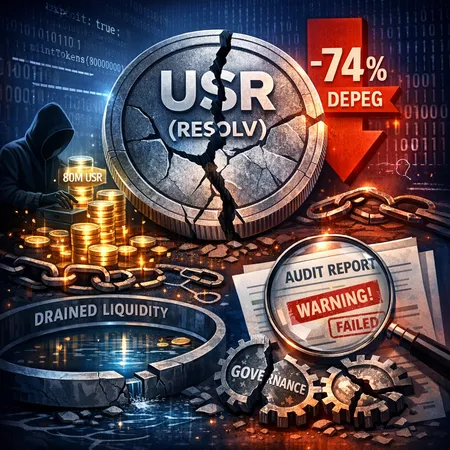
A technical post‑mortem of the Resolv Labs USR stablecoin exploit, how ~80M USR were minted from a small outlay, why the attack produced a 74% depeg, and concrete hardening steps for DeFi projects and liquidity providers.

Stablecoins are evolving from a single-dominant rail to a diversified toolkit for payments and treasury. This piece examines PayPal's PYUSD expansion, Tether's QVAC Fabric for on‑device AI, and what a multi‑stablecoin strategy means for cross‑border payments, UX, compliance and infrastructure.
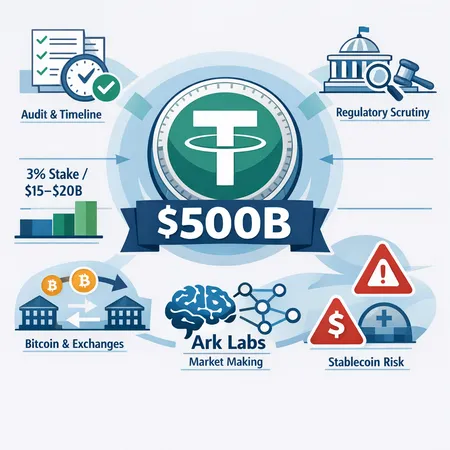
Recent market chatter about a $500B-plus private valuation for Tether and reports of a $15–$20B fundraise for a 3% stake have reignited questions about USDT’s dominance, audit transparency, and systemic risk. This article evaluates what those numbers mean, how strategic bets like Ark Labs involvement could move BTC flows, and practical steps exchanges and funds should take to manage stablecoin risk.

Solana is rewriting its narrative: spot ETF inflows and a derivatives breakout are coinciding with rising stablecoin settlement activity, creating a fresh institutional case—but with material volatility risks. This article unpacks the data and what it means for allocators weighing a new SOL allocation.
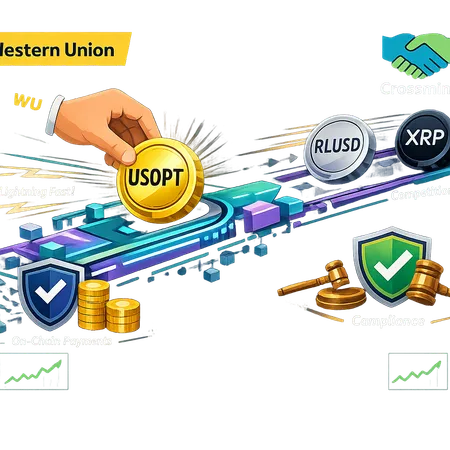
Western Union’s USDPT launch on Solana — via a Crossmint partnership — is a deliberate bet on cheap, fast rails that could reshape stablecoin competition and on‑chain payments. This article assesses the deal structure, why Solana was chosen, regulatory friction points, and short‑ to medium‑term implications for SOL and XRP.
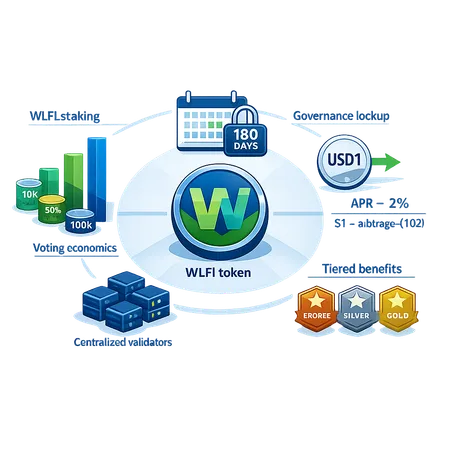
WLFI proposes a 180‑day staking lock that ties voting power to locked tokens and supports a USD1 stablecoin peg with ~2% APR. This article breaks down the math, incentive alignment, gaming vectors, and practical recommendations for governance participants and DAO treasurers.
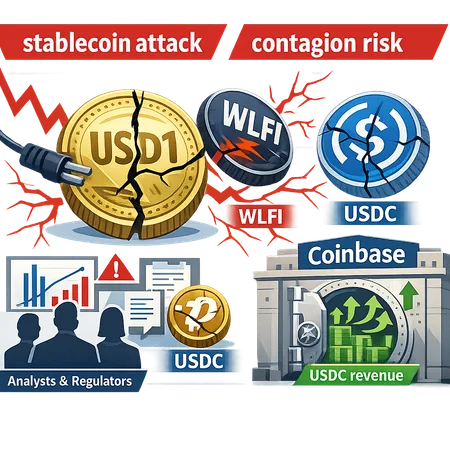
A coordinated attack pushed WLFI’s USD1 peg off-kilter and sent shockwaves through smaller markets — exposing structural weaknesses in non-USD-pegged stablecoins and concentration risk among tiny issuers. This analysis unpacks the timeline, market impact, contagion pathways, and what regulated players should change to limit counterparty exposure.
DeFi
All DeFi postsBitcoin
All Bitcoin postsSecurity
All Security posts- Solana Risk Assessment After the Drift $285M Exploit: Price Damage, Supports, and Actionable Trading & Validator Controls
- Preparing for the Quantum Era: Post-Quantum Security for Stablecoin Rails — Arc & Naoris Case Studies
- Inside the April 1 Drift Protocol Hack: Reconstruction, North Korea Links, and a DeFi Security Playbook