Treasury
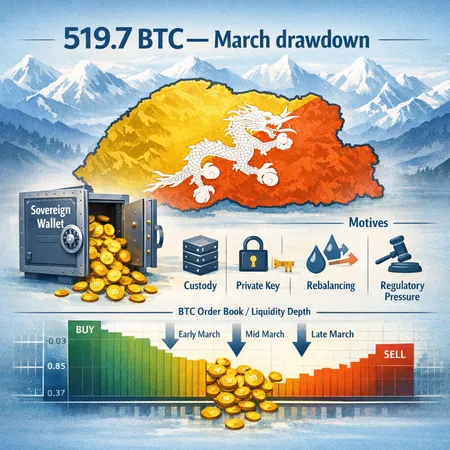
Bhutan’s March move of 519.7 BTC reignited debate about how small sovereign holders should manage digital reserves. This article parses the timeline, probable motives, market absorption dynamics, and custody/treasury models policymakers should consider.

Balancer Labs’ decision to wind down after a $110M exploit exposes fault lines in DeFi revenue models, treasury design, and corporate-professional liability. This explainer reconstructs the timeline, analyzes why the corporate arm stopped while the protocol lives on under DAO governance, and lays out concrete safeguards for AMMs and DAOs.
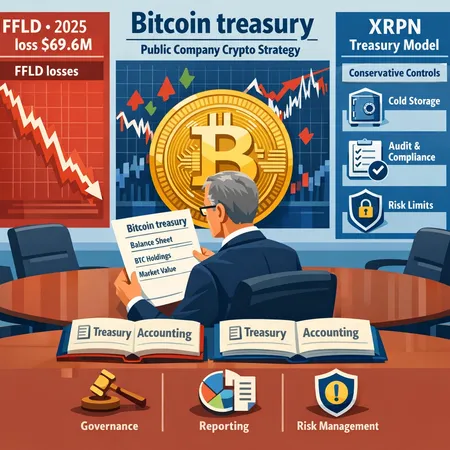
Fold’s steep maiden-year losses highlight the hazards of converting operating revenue into volatile crypto treasuries, while Evernorth’s XRPN proposal shows an alternative, treasury-first design. This article compares the two models and gives practical steps for CFOs and treasurers considering a crypto-denominated balance sheet.

Stablecoins are evolving from a single-dominant rail to a diversified toolkit for payments and treasury. This piece examines PayPal's PYUSD expansion, Tether's QVAC Fabric for on‑device AI, and what a multi‑stablecoin strategy means for cross‑border payments, UX, compliance and infrastructure.

A pivotal Cardano community vote on withdrawing 50 million ADA from the treasury has re-ignited debates about on-chain governance, treasury stewardship, and community incentives. This article unpacks the proposal, use-case scenarios, comparisons with other layer‑1 treasuries, and what it means for long-term ADA holders.
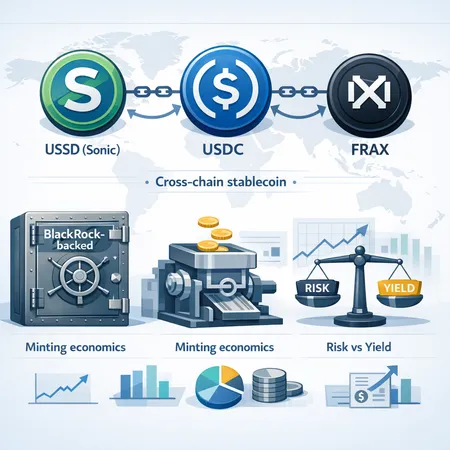
Sonic Labs’ permissionless USSD — reportedly backed by BlackRock and Frax infrastructure — joins a crowded stablecoin field dominated by USDC and protocol-native designs like FRAX. This article compares issuer models, minting mechanics, cross‑chain implications, and gives treasury managers a practical checklist for evaluating USD‑pegged tokens.
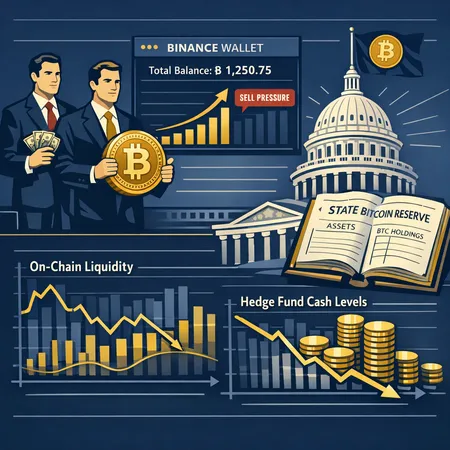
Shifts in institutional cash levels, rising BTC holdings on exchange wallets, and renewed state-level reserve proposals are changing short‑term liquidity dynamics and longer‑term demand narratives for BTC. This article synthesizes evidence and offers practical signals for allocators and policymakers.

XRP is moving from retail speculation toward institutional utility as ETFs, treasury models like Evernorth’s, and lending products deepen market plumbing. Treasurers and allocators must weigh yield and liquidity gains against custody and regulatory risks.
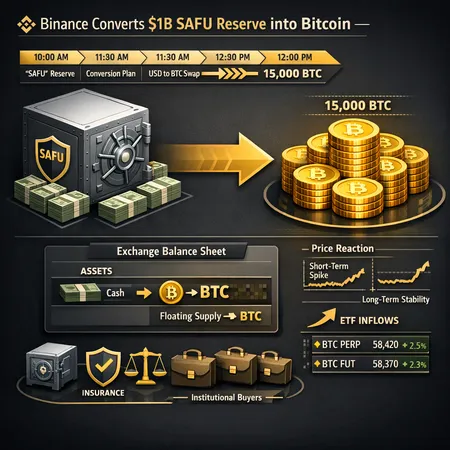
Binance converted roughly $1 billion from its SAFU reserve into Bitcoin, adding an estimated ~15,000 BTC to its treasury. This analysis unpacks the mechanics and timing, the effect of a large on‑exchange BTC reserve on floating supply and sentiment, and the regulatory and market spillovers to ETFs and derivatives.
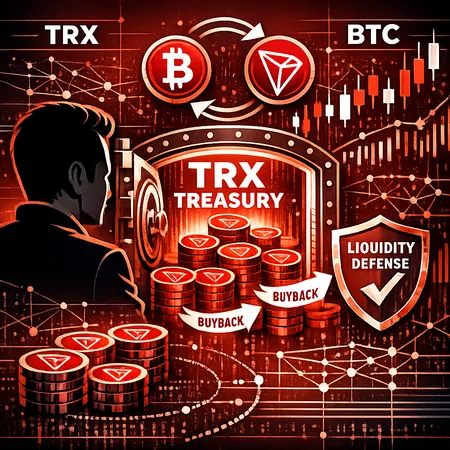
Justin Sun’s recent TRX treasury accumulation raises a key question for allocators: can concentrated, on‑balance‑sheet buys meaningfully stabilize an altcoin and seed wider market confidence? This piece breaks down scale, mechanics, historical precedent and tradeable signals for tactical entries.
DeFi
All DeFi postsBitcoin
All Bitcoin postsSecurity
All Security posts- Solana Risk Assessment After the Drift $285M Exploit: Price Damage, Supports, and Actionable Trading & Validator Controls
- Preparing for the Quantum Era: Post-Quantum Security for Stablecoin Rails — Arc & Naoris Case Studies
- Inside the April 1 Drift Protocol Hack: Reconstruction, North Korea Links, and a DeFi Security Playbook