Ethereum
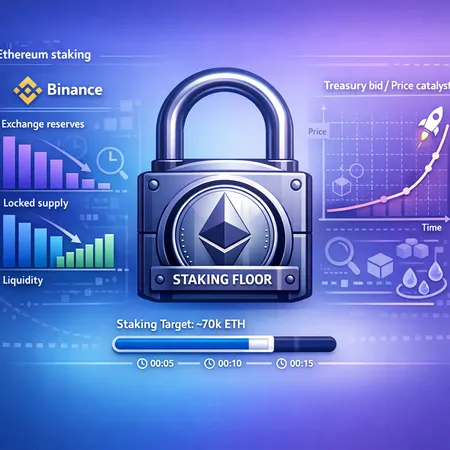
The Ethereum Foundation's steady staking cadence and shrinking ETH on exchanges are reshaping on-chain liquidity. Together they could create a durable staking floor and act as a catalytic supply shock for the next ETH run.
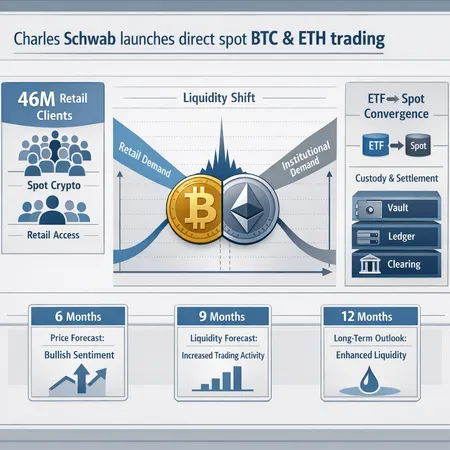
Charles Schwab’s planned H1 2026 launch of direct spot Bitcoin and Ether trading could reshape retail demand, concentrate liquidity into U.S. hours, and accelerate ETF–spot convergence. Wealth managers should prepare for custody, settlement complexities and new competitive dynamics across brokerages and exchanges.
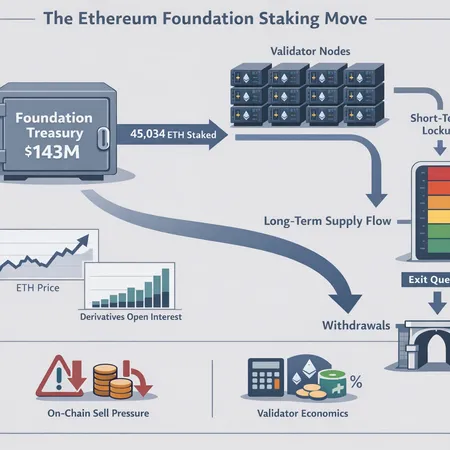
The Ethereum Foundation’s recent on‑chain staking of 45,034 ETH (part of a broader ~$143M deployment) is a clear vote of confidence from the treasury — but its market impact depends on validator economics, exit mechanics and existing on‑chain sell pressure. This article breaks down the mechanics, short‑ and long‑term supply effects, derivatives interactions, and the on‑chain metrics ETH holders should watch.

Quantum advances are starting to put real pressure on the ECC foundations of Bitcoin and Ethereum. This article parses the technical attack vectors, timelines from researchers and Google, and a practical roadmap for custodians and holders to harden assets now.
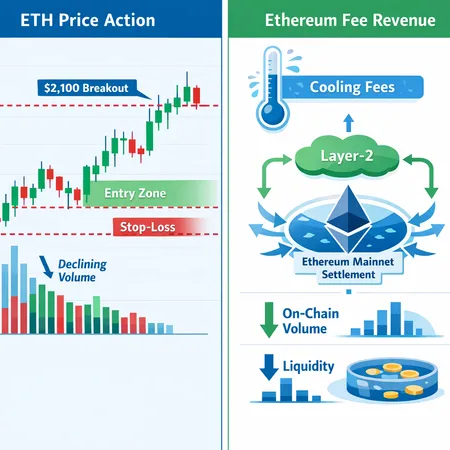
ETH rallied above $2,100 only to stall as volume and fee revenue cooled — a key test for the ‘high‑value settlement’ thesis and whether Layer‑2 settlement flows can sustain on‑chain monetization.
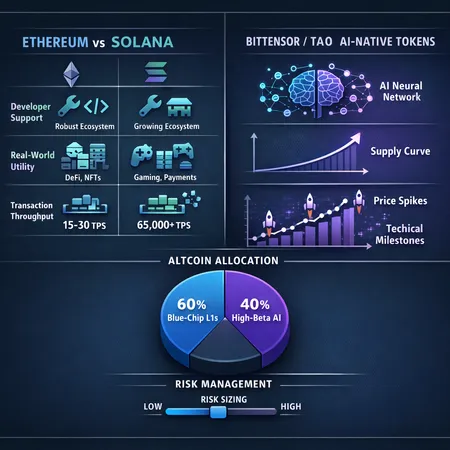
A practical framework for allocating between blue‑chip layer‑1 networks and higher‑beta AI-native tokens in 2026, weighing long‑term fundamentals against event‑driven technical milestones. Includes an Ethereum vs Solana head‑to‑head and a Bittensor (TAO) case study with sizing and risk rules for retail investors.
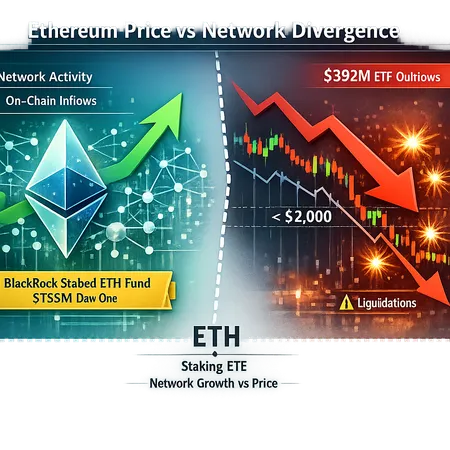
Ethereum’s network metrics show renewed activity and institutional staking demand even as ETH price slipped below $2,000. This article dissects the forces—BlackRock’s staking inflows, stablecoin and L1 activity, ETF outflows and liquidations—and the indicators that will decide whether price eventually follows fundamentals.

Ethereum is moving on two fronts: shoring up cryptographic resilience with a post‑quantum initiative while infrastructure like NYSE–Securitize introduces 24/7 tokenized RWA trading that could accelerate institutional inflows. This article assesses the technical and market implications for ETH-focused funds and developers.
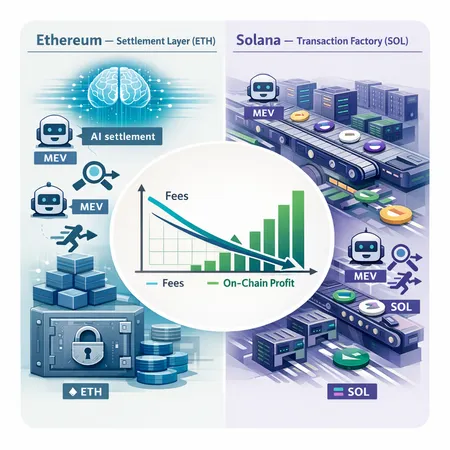
A comparative deep-dive into how Ethereum and Solana capture value as competing economic systems — and whether Ethereum’s push to become an AI settlement layer meaningfully alters fees, MEV, and developer calculus. This is aimed at architects and investors choosing long-term platforms.
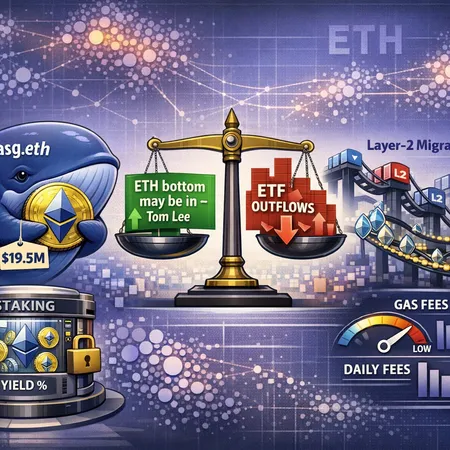
A close read of Ethereum’s recent on‑chain strength — highlighted by thomasg.eth’s $19.5M purchase and Tom Lee’s bullish note — versus structural signals like ETF outflows, falling fees and Layer‑2 migration. This piece weighs near‑term accumulation against long‑term revenue transition and staking implications.