Privacy
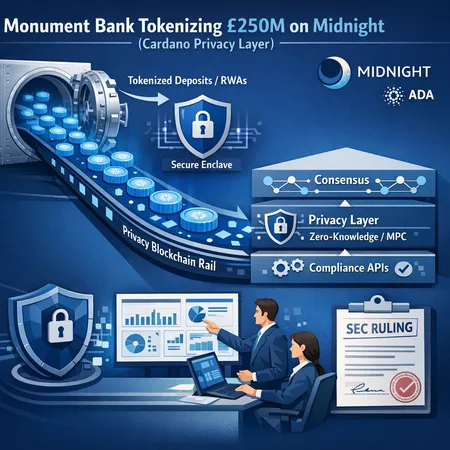
Monument Bank’s plan to tokenize up to £250M of retail deposits on Midnight puts Cardano at the center of an institutional push toward privacy-first tokenized deposits. This explainer unpacks Midnight’s architecture, regulatory implications after recent SEC guidance, how tokenized deposits could scale RWAs, and what it means for ADA holders and compliance teams.
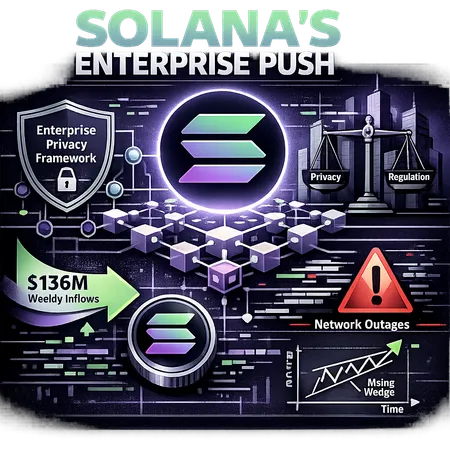
Solana’s new enterprise privacy framework and a recent $136M weekly inflow raise fresh questions about whether confidentiality features plus heavy capital can shift institutional appetite — or if technical and price risks still outweigh the upside.
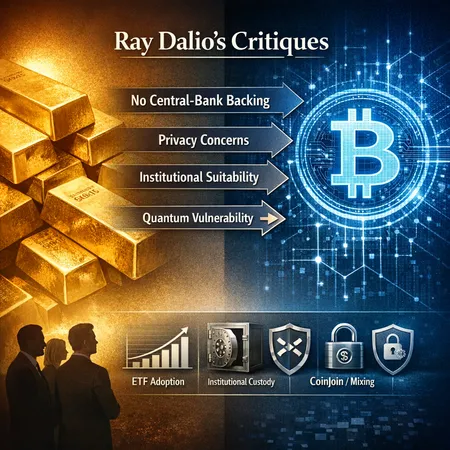
Ray Dalio argues Bitcoin can’t replace gold for institutional safe‑haven needs — citing central‑bank backing, privacy/institutional suitability, and quantum risk. This explainer weighs his three core claims against ETF adoption, custody and privacy tech, and evolving quantum‑resistance research to give allocation guidance for sophisticated investors.

Vitalik Buterin’s recent donation to Shielded Labs for a Zcash crosslink finality upgrade and his clarified views on Layer-2s signal a subtle but important shift in how leading architects think about privacy, scaling, and cross-protocol cooperation.
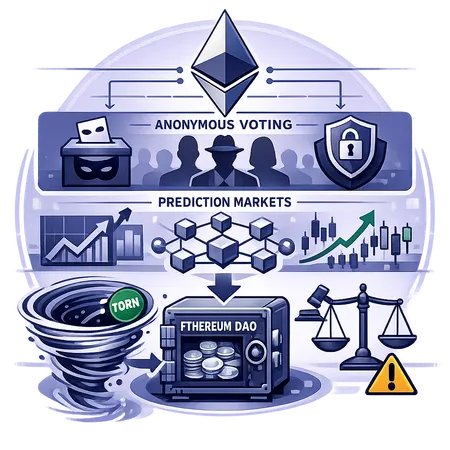
Vitalik Buterin now backs anonymous voting plus prediction markets, and an Ethereum DAO accepted Tornado Cash-funded deposits — forcing a rethink of privacy, governance risk, and regulatory exposure for DAOs.
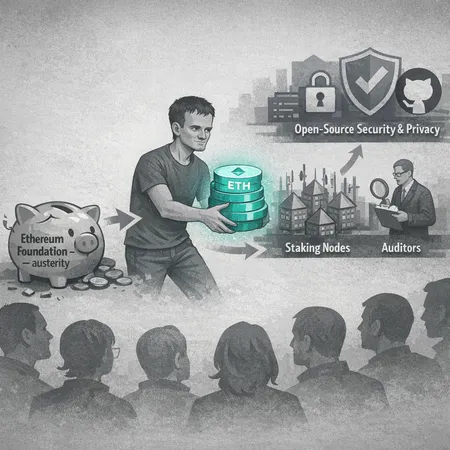
The Ethereum Foundation has signalled a five‑year 'mild austerity' and Vitalik Buterin moved 16,384 ETH into open‑source security and privacy work. This feature explains why, what it implies for public‑good funding, and how the community should adapt.

A recent 60%+ surge in GHOST highlights renewed interest in privacy tooling on Solana. This explainer breaks down the catalyst, how Solana supports privacy dApps, tokenomics and liquidity risks, on-chain checks for sustainability, and implications for SOL price outlook.
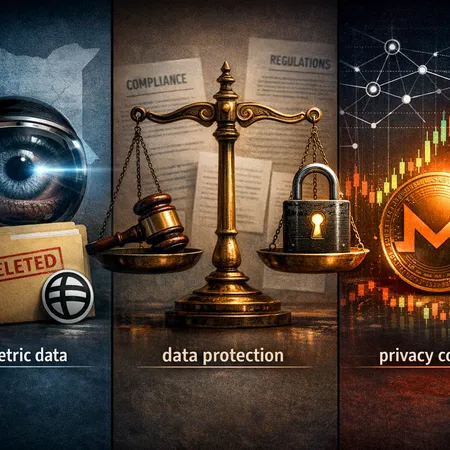
Worldcoin’s forced deletion of Kenyan biometric records and Monero’s recent market strength have exposed a split in how privacy is built and regulated in crypto. The clash between centralized biometric ID projects and decentralized privacy coins reshapes risks for investors, developers, and regulators.
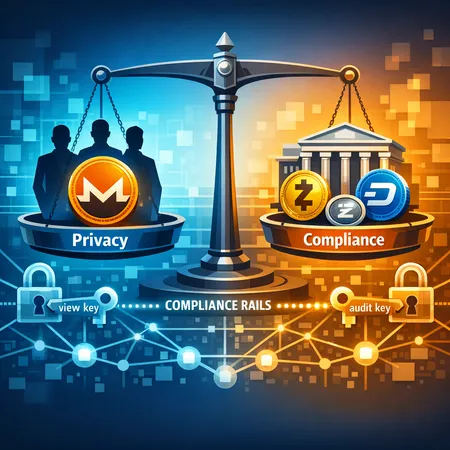
A renewed investor appetite for on-chain privacy has shifted narratives from absolute anonymity to practical ‘selective disclosure’. This article explains audit/view keys, compliance rails, and what the trend means for DeFi, institutions, and builders.
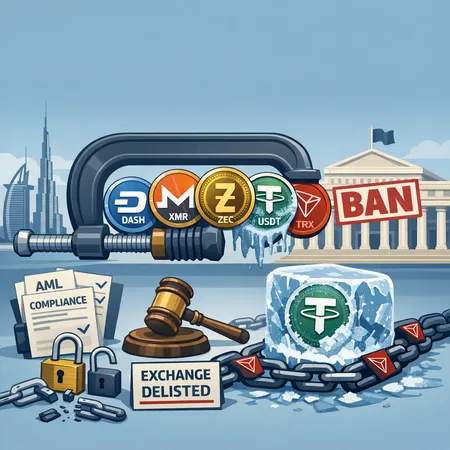
Dubai’s recent ban on privacy tokens and reworked stablecoin rules, combined with high-profile freezes like Tether’s $182M action on TRON, are forcing exchanges, custodians, and privacy projects to rethink listings, custody and compliance strategies.
DeFi
All DeFi posts- Solana Risk Assessment After the Drift $285M Exploit: Price Damage, Supports, and Actionable Trading & Validator Controls
- XRP's Split Personality: Institutional ETF Flows vs. Spot Price — Can Whales and XRPL Japan Trigger a Real Breakout?
- Preparing for the Quantum Era: Post-Quantum Security for Stablecoin Rails — Arc & Naoris Case Studies
Bitcoin
All Bitcoin postsSecurity
All Security postsStablecoins
All Stablecoins postsTrading
All Trading posts- Is Ethereum Completing a Multi‑Year Accumulation? Weekly TA, Derivatives Signals, and a Practical Trade Checklist
- TRUMP, DOGE, SHIB: How Social Rumors, Whale Moves and Broken Support Drive Weekend Meme Token Volatility
- Has Bitcoin Found a Durable Bottom After the $70k Slide? An Evidence-Based Playbook