AML

A 10-year-dormant wallet tied to Irish criminal Clifton Collins moved roughly 500 BTC to Coinbase, triggering on-chain scrutiny and fresh questions about how custodians and markets absorb legacy tainted coins. This piece dissects the forensic signals, custodial AML paths, short-term market impact and how traders should price sudden supply shocks in a highly leveraged BTC market.
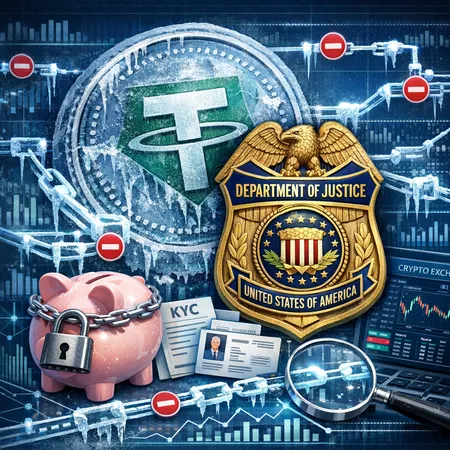
The US Department of Justice seized more than $61 million in USDT tied to pig‑butchering scams — a case that underscores how traceability of stablecoins changes enforcement, raises new AML questions for Tether, and will push exchanges and remittance rails to tighten monitoring. This article explains how the funds were traced, what it means for custodial vs DEX flows, and practical steps compliance teams should expect.
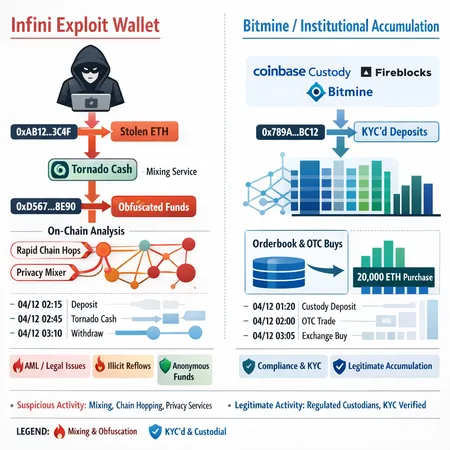
A forensic comparison of an exploit-linked wallet that reactivated to buy ETH (and routed funds through Tornado Cash) against institutional accumulation such as Bitmine’s 20k ETH purchase. This piece provides a practical on-chain provenance and AML framework for reporters and compliance teams to separate illicit reflows from legitimate buying.
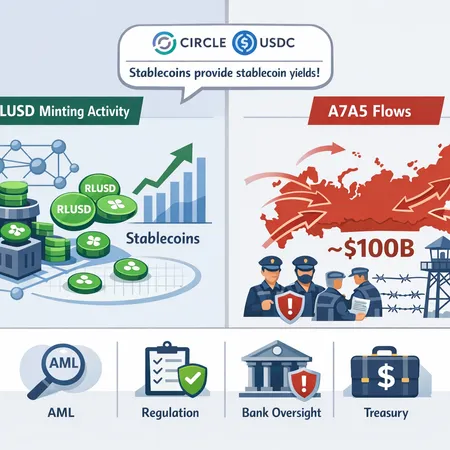
An investigative primer on recent stablecoin minting, cross‑border risk, and the debate over yield‑bearing stablecoins. Practical policy recommendations for compliance officers, stablecoin teams and regulators.
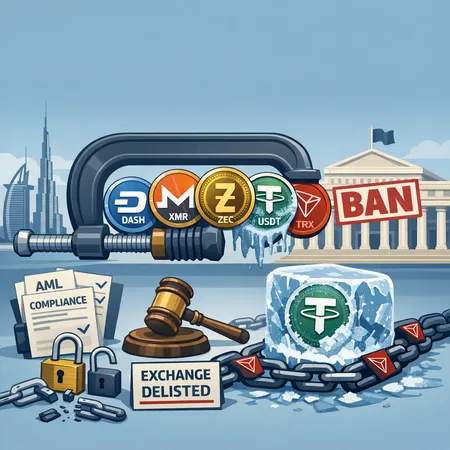
Dubai’s recent ban on privacy tokens and reworked stablecoin rules, combined with high-profile freezes like Tether’s $182M action on TRON, are forcing exchanges, custodians, and privacy projects to rethink listings, custody and compliance strategies.
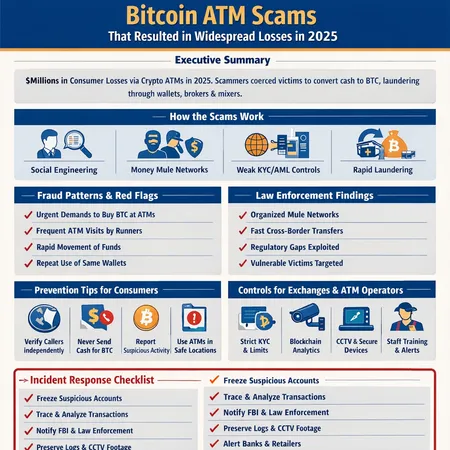
In 2025 scammers exploited Bitcoin ATMs to steal an estimated $333M from Americans. This investigative guide breaks down scam mechanics, FBI findings, and exact steps exchanges, ATM operators, compliance teams and consumers should adopt to stop repeat offenses.
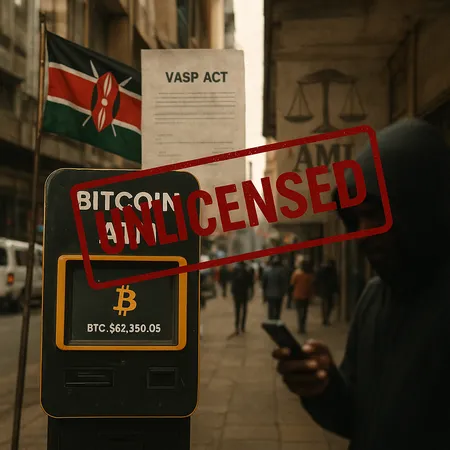
Kenya’s Virtual Assets Service Providers Act has taken effect, yet Bitcoin ATMs are already appearing in malls and shopping centres — often without licensed operators. This investigation explores where these kiosks are, the enforcement and AML risks, and how regulators and entrepreneurs can bridge the compliance gap without choking access.

U.S. senators have asked DOJ and Treasury to probe World Liberty Financial (WLFI) token sales amid allegations of purchases linked to sanctioned actors. This explainer breaks down the legal, AML and operational implications for exchanges, custodians and compliance teams.

The new U.S. anti-money laundering (AML) legislation is set to significantly influence the cryptocurrency industry by enforcing stricter compliance measures and promoting transparency. This regulatory environment aims to reduce illicit activities while encouraging responsible adoption of crypto assets. Platforms like Bitlet.app are adapting by enhancing compliance features and continuing to offer innovative services like Crypto Installments, allowing users to buy cryptocurrencies now and pay monthly.

Turkey has introduced new Anti-Money Laundering (AML) regulations targeting the cryptocurrency sector. This article explores these regulations and offers compliance tips for crypto investors and businesses, highlighting how platforms like Bitlet.app can assist users in adhering to these legal frameworks while enjoying crypto investments.
DeFi
All DeFi postsBitcoin
All Bitcoin postsSecurity
All Security posts- Solana Risk Assessment After the Drift $285M Exploit: Price Damage, Supports, and Actionable Trading & Validator Controls
- Preparing for the Quantum Era: Post-Quantum Security for Stablecoin Rails — Arc & Naoris Case Studies
- Inside the April 1 Drift Protocol Hack: Reconstruction, North Korea Links, and a DeFi Security Playbook