Policy

A senior Tether executive’s new role as chair of a major crypto super PAC signals a strategic shift in Washington advocacy that could reshape the CLARITY Act’s outcome and the future of stablecoin compliance. This article analyzes the appointment, the key policy flashpoints, likely pathways of influence, and a tactical playbook for legal and PR teams.
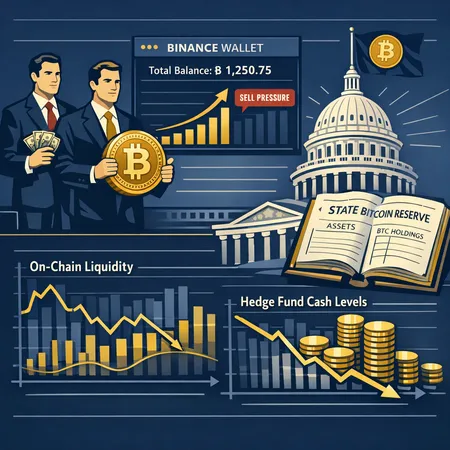
Shifts in institutional cash levels, rising BTC holdings on exchange wallets, and renewed state-level reserve proposals are changing short‑term liquidity dynamics and longer‑term demand narratives for BTC. This article synthesizes evidence and offers practical signals for allocators and policymakers.
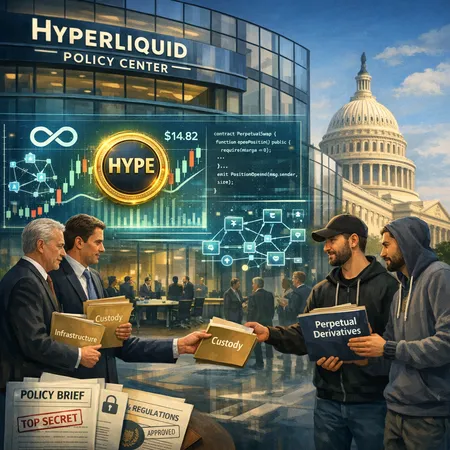
Hyperliquid’s new D.C. Policy Center and lobbying arm mark a shift from grassroots decentralization rhetoric toward professional, targeted advocacy — with important consequences for perpetual derivatives, custody rules, and infrastructure policy. This analysis breaks down regulatory targets, token-market reactions for HYPE, comparisons to earlier advocacy, and practical next steps for DeFi teams and investors.

Reports that Russia and the U.S. discussed using the Zaporizhzhia nuclear facility for Bitcoin mining have renewed debate at the intersection of energy policy and crypto. This investigation assesses timeline, technical feasibility, legal risks, and market scenarios for institutional investors and policy analysts.
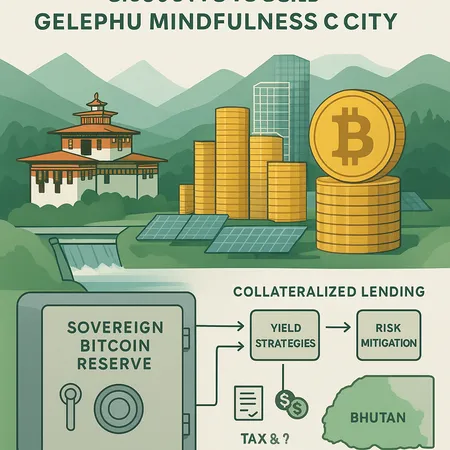
Bhutan has pledged up to 10,000 BTC to finance the Gelephu Mindfulness City using structures that avoid outright reserve sales. This feature analyzes how collateralized financing, yield strategies, and hedging could let a sovereign monetize Bitcoin reserves while preserving exposure.

On October 19, 2025, new crypto regulations were introduced that are set to reshape spot markets. These policy updates focus on enhancing transparency, protecting investors, and ensuring market stability. Platforms like Bitlet.app continue to innovate by offering services such as Crypto Installment options, providing users flexibility amid regulatory changes.

Recent Senate discussions have highlighted key regulatory approaches to cryptocurrency, which could signal new policies on how digital assets will be managed in the US.

Explore how Senate Democrats are influencing the future of crypto regulations and what it means for investors and platforms like Bitlet.app.
DeFi
All DeFi postsBitcoin
All Bitcoin postsDerivatives
All Derivatives posts- Uncovering XRP’s Hidden Bull Case: Futures Surge, Ichimoku Flip, Reserve Decline and Institutional Signals
- Privacy‑Coin Resurgence: Why ZEC, XMR, DASH and DCR Ripped Higher in April 2026 — Risks & Trade Rules
- XRP’s Quiet Buildup: Do Derivatives, On‑Chain Flows and Ledger Resilience Signal a Real Breakout?