Decentralization
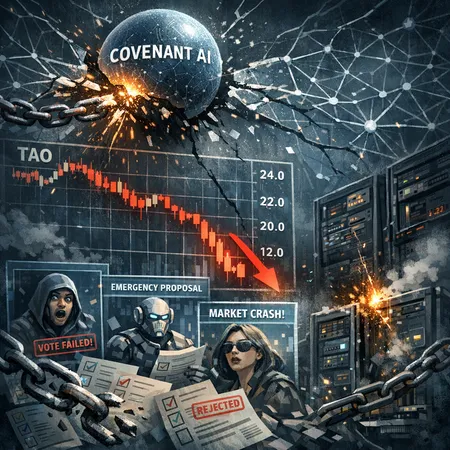
The Covenant AI subnet exit triggered a fast, public governance crisis for Bittensor's TAO token, exposing design gaps in decentralized AI protocols. This investigation traces the events, analyzes technical failures, and offers pragmatic guardrails for DAOs and protocol designers.
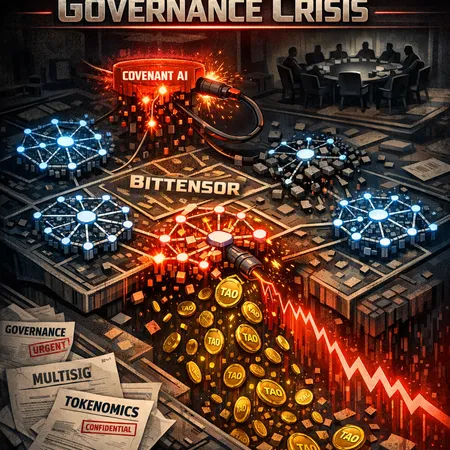
A top subnet operator’s exit sparked a sharp TAO sell‑off that exposed governance gaps in Bittensor and broader risks for tokenized AI projects. This piece reconstructs the Covenant AI departure, traces market fallout, and lays out governance and tokenomic lessons for builders and investors.
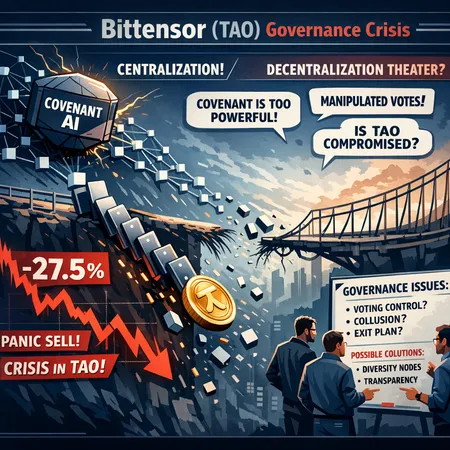
A single subnet operator’s abrupt exit exposed governance fragility in Bittensor and sparked a 20–30% TAO selloff. This article reconstructs the Covenant AI timeline, explains the market mechanics of the crash, diagnoses design flaws, and offers concrete remedies for on‑chain AI ecosystems to avoid ‘decentralization theater.’
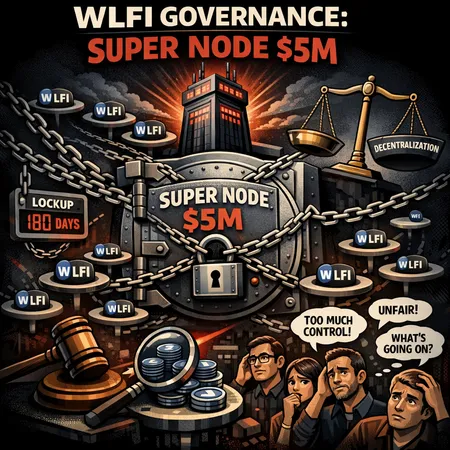
WLFI's recent governance vote approved a $5 million "Super Node" access tier and a six-month lockup rule, prompting debates about pay-to-play governance and centralization risk. This investigative piece explains the mechanics, community reaction, regulatory optics, and defensive governance practices projects should adopt.
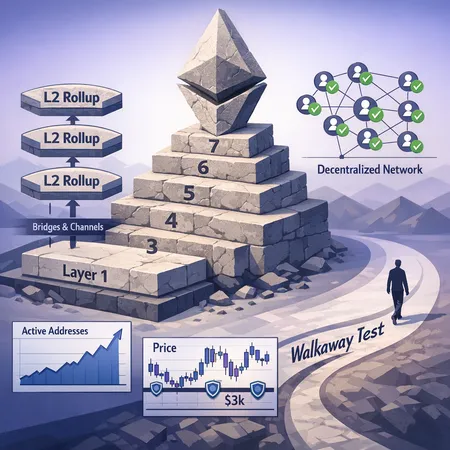
Ethereum is deliberately moving toward ‘ossifiability’ and a formalized ‘walkaway test’ to ensure the protocol can continue without its core developers. This article unpacks the technical idea, Vitalik’s seven-step roadmap, implications for L2s and clients, and how recent on-chain signals support the resilience case.
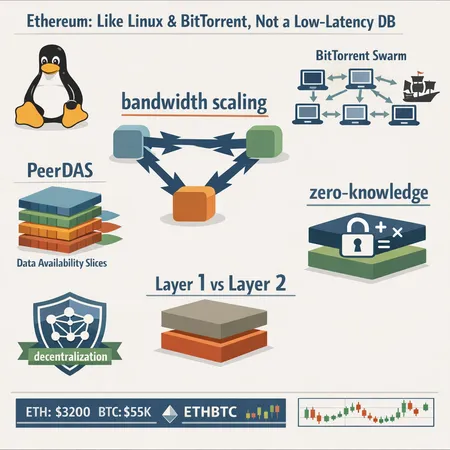
Vitalik Buterin’s Linux/BitTorrent framing reframes Ethereum’s scaling problem: build for bandwidth and data availability first, let Layer 2s shoulder low‑latency UX. This explainer unpacks PeerDAS, zero‑knowledge approaches, and practical consequences for L1 vs L2 design, tooling, and enterprise adoption.
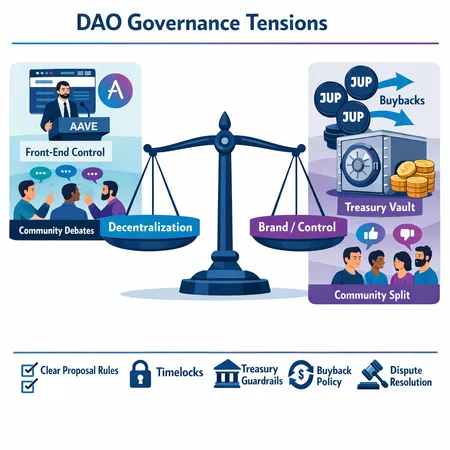
Recent disputes at Aave and Jupiter expose recurring governance failure modes — from brand/front-end control to buyback trade-offs. This article extracts practical fixes for DAO operators, governance researchers and tokenomics designers to harden DAOs against similar crises.
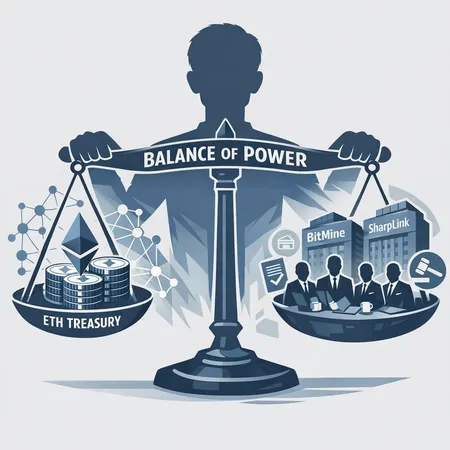
Vitalik Buterin’s 'Balance of Power' essay renews a warning: crypto can re-centralize as organizations accumulate ETH and governance influence. This article examines the mechanics, real-world examples like BitMine and SharpLink, and practical mitigations for developers, DAOs, and stakers.
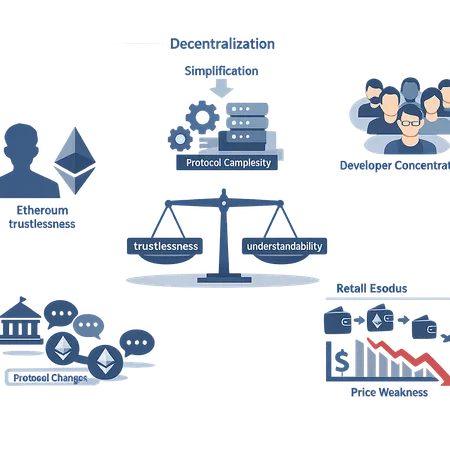
Vitalik Buterin’s recent critique that Ethereum is “not fully trustless” reframes the decentralization debate: simplicity, not just code correctness, underpins trust. This article analyzes why simplification matters now — from retail exits and price weakness to developer concentration — and offers practical steps for validators, devs, and large holders.

Ethereum’s new Trustless Manifesto and Vitalik Buterin’s decentralization statements have refocused the community on on‑chain resilience. This article unpacks the manifesto, how gatherings like Devconnect Buenos Aires operationalize it, and what builders and node operators should do next.