Portfolio
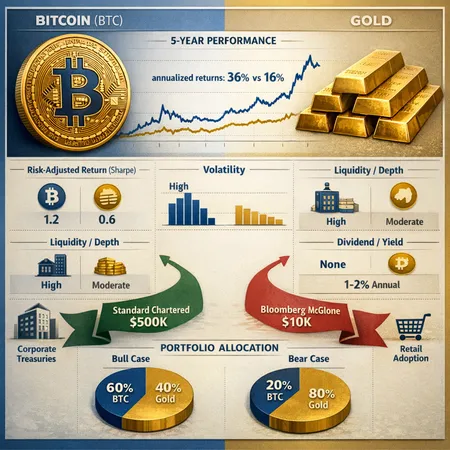
Michael Saylor reignited the Bitcoin vs gold debate by citing 36% annualized returns for BTC versus 16% for gold — a claim that demands careful unpacking. This article adjudicates what each camp is actually measuring, reconciles five‑year scorecards, and translates extreme $500k/$10k scenarios into practical allocation guidance.
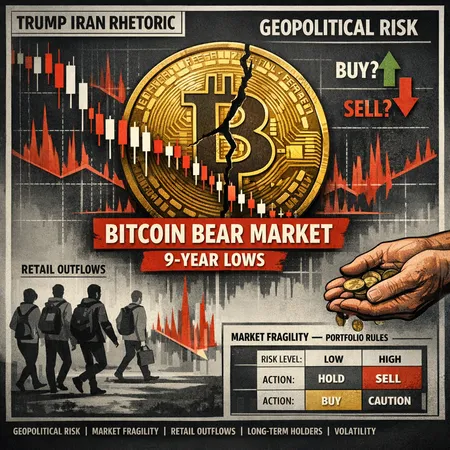
This article dissects the current Bitcoin fragility narrative—geopolitical headline risk, collapsing retail inflows, and long‑term holder selling—and translates those signals into scenario‑based allocation and stress‑test rules for macro traders and portfolio managers.
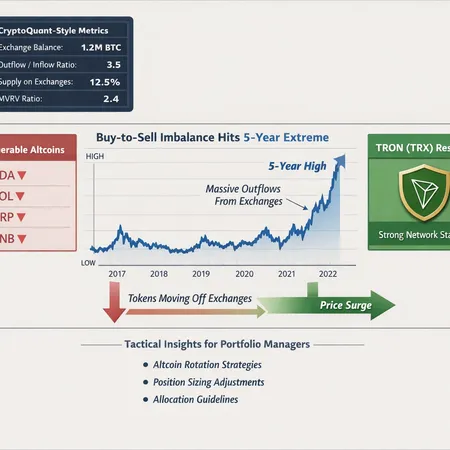
CryptoQuant’s buy-to-sell imbalance shows extreme altcoin selling, even as meaningful tokens move off exchanges. This article parses the on-chain signals, contrasts resilient names like TRX with the most vulnerable projects, and gives tactical rotation and allocation rules for the current regime.

A consolidated technical forecast for BCH, ATOM, BNB and ADA that lays out bullish and bearish paths, indicator signals, key support/resistance bands, and practical trade and portfolio sizing guidance for the next 2–6 weeks.
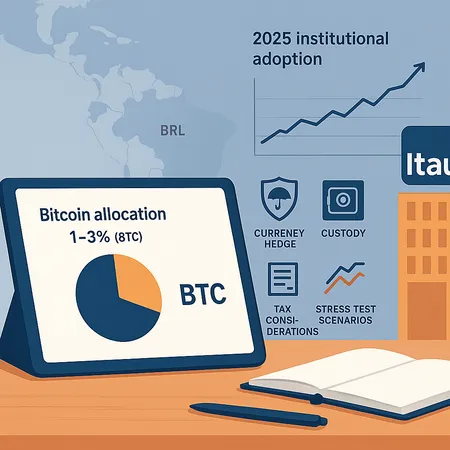
Itaú's renewed recommendation for a 1%–3% Bitcoin allocation reframes BTC as a modest portfolio hedge and diversification tool. This article translates that guidance into practical portfolio examples, stress scenarios, tax and custody considerations, and entry strategies for Latin American investors and advisors.

When BTC sells off, smart managers lean into altcoin rotation and selective diversification. This guide documents evidence of alt resilience, explains why certain categories hold up, and gives concrete rebalancing and scenario playbooks for Q4 volatility.

Bitlet.app introduces an innovative Crypto Installment service that allows users to buy cryptocurrencies now and pay monthly, making it easier to diversify your crypto investments without large upfront costs.

Explore how Bitlet.app's innovative Crypto Installment service enables investors to grow their Bitcoin and Ethereum holdings effortlessly by paying monthly instead of a lump sum.
DeFi
All DeFi postsBitcoin
All Bitcoin postsTrading
All Trading posts- Decoding $180M AVAX Flows to Coinbase: What Large Inflows Mean for Sell Pressure
- Solana Risk Assessment After the Drift $285M Exploit: Price Damage, Supports, and Actionable Trading & Validator Controls
- Is Ethereum Completing a Multi‑Year Accumulation? Weekly TA, Derivatives Signals, and a Practical Trade Checklist