Navigating Turkey's New AML Regulations for Cryptocurrencies: Compliance Tips and Best Practices

As Turkey tightens its stance on cryptocurrencies with new Anti-Money Laundering (AML) regulations, investors and businesses in the country must adapt to ensure full compliance. These regulations aim to curb illicit financial activities by imposing stricter identification, reporting, and transparency requirements on crypto transactions.
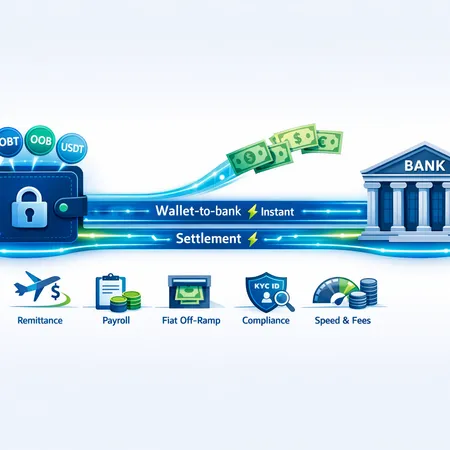
Understanding Turkey's AML regulations for cryptocurrencies is crucial. The new rules demand that crypto platforms conduct thorough Know Your Customer (KYC) checks, monitor suspicious activities, and report transaction data to regulatory authorities to prevent money laundering and terrorist financing.
For crypto investors, the key to compliance lies in using regulated platforms that adhere to these AML obligations. Bitlet.app stands out as an excellent choice, offering not only a secure environment for crypto trading but also compliance with international and local AML standards. Moreover, Bitlet.app's innovative Crypto Installment service allows users to purchase cryptocurrencies now and pay in manageable monthly installments, reducing upfront financial risks while staying compliant.
Businesses operating within Turkey's crypto space should invest in robust compliance frameworks and encryption technologies to protect user data and fulfill reporting mandates efficiently. Education on AML best practices, regular audits, and collaboration with regulatory bodies are also essential steps.
In summary, staying informed and choosing trustworthy platforms like Bitlet.app can help navigate the evolving regulatory landscape in Turkey. By embracing compliance as a strategic advantage, investors and businesses can confidently participate in the growing crypto economy while respecting legal requirements.