Hyperliquid
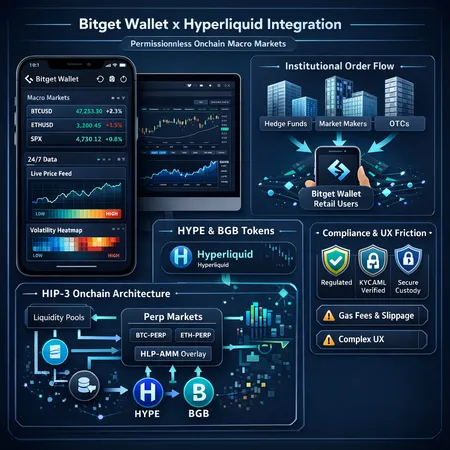
The Bitget Wallet integration with Hyperliquid embeds permissionless onchain macro markets into self-custody apps, bridging retail custody with institutional-style macro exposure. This analysis covers HIP-3 mechanics, HYPE/BGB token implications, market microstructure shifts, and practical risk and compliance recommendations for product and growth leaders and sophisticated traders.
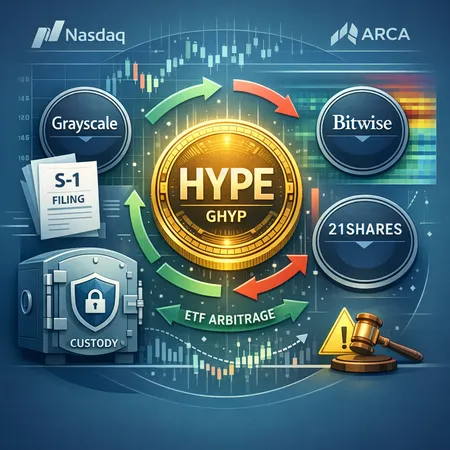
Grayscale's S‑1 filing for a spot Hyperliquid (HYPE) ETF accelerates a three-way race with Bitwise and 21Shares to capture institutional demand. This piece maps likely market impacts on HYPE liquidity, price dynamics, custody and listing specifics, and the regulatory hurdles that could delay approvals.

Hyperliquid’s leap past $1B in stablecoin liquidity and a surge of oil-driven trading have pushed its perpetuals into institutional view. But liquidity depth, counterparty risk, and regulatory clarity will determine whether HYPE can truly host professional commodity flow.
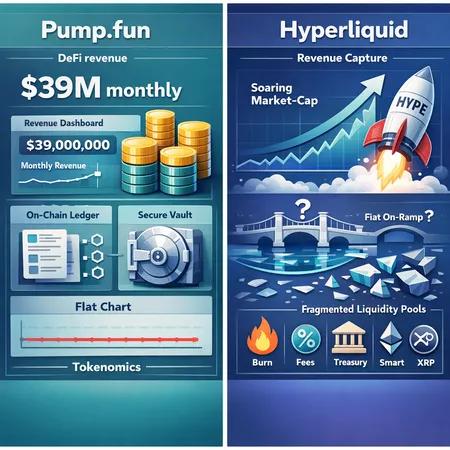
High protocol revenue no longer guarantees token rallies. This article dissects why Pump.fun generated ~$39M in monthly revenue while PUMP stayed flat and contrasts that with Hyperliquid’s market‑cap surge, offering a practical framework to evaluate revenue capture in DeFi.
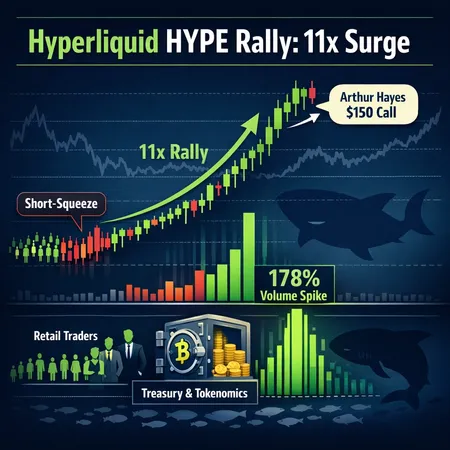
A data-driven breakdown of the HYPE token’s recent rally, tracing Arthur Hayes’ $150 price call through double-digit gains and a 178% volume spike, with an evidence-based assessment of drivers, sustainability, and trader playbook. Practical entry-sizing and risk-management rules included for active altcoin traders.
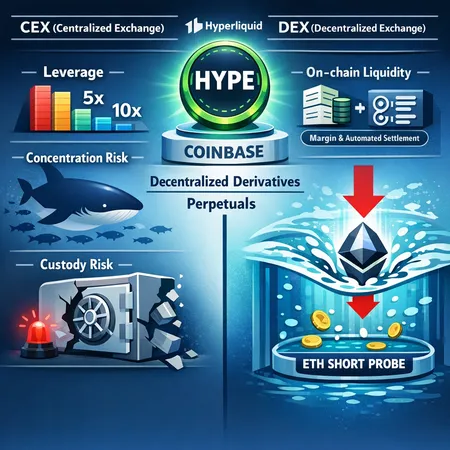
Hyperliquid recently overtook Coinbase in notional perpetual trading volume, marking a watershed moment for decentralized derivatives. This article explains the mechanics that enabled that shift, examines systemic risks through an ETH short probe, and outlines what traders and protocol designers should weigh when moving perp flow on‑chain.
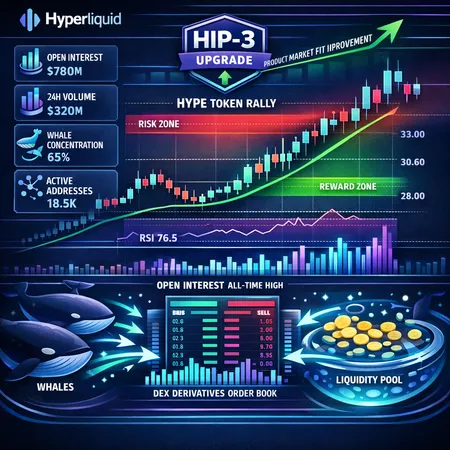
HYPE's sudden outperformance ties to HIP‑3-driven product changes, a surge in open interest and concentrated whale flows that reshaped DEX derivatives liquidity. This piece breaks down the on‑chain metrics, market structure, and practical sizing strategies for traders and LPs.

A comparative analysis of LINK and HYPE that focuses on product momentum, new revenue models like portfolio margin, and how yield-token subsidy designs such as PENDLE’s are reshaping liquidity economics. Practical metrics for product managers and traders to monitor protocol sustainability and competitive moat.

Hyperliquid’s rollout of on‑chain portfolio margin promises meaningful capital efficiency gains for unified spot and perpetual trading, but it also raises new contagion and smart‑contract risks. This article breaks down how portfolio margin differs from isolated margin, the technical implications of on‑chain implementation, expected efficiency gains, and practical defenses for traders and DeFi designers.
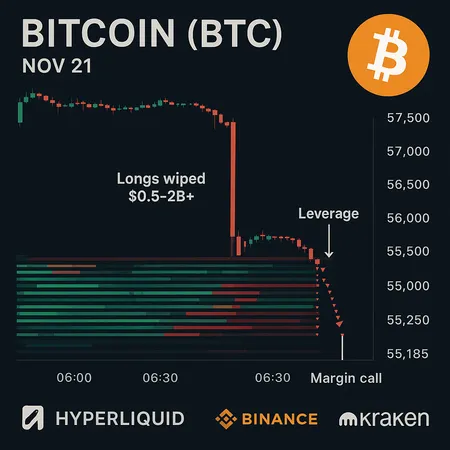
A minute-level forensic of the Nov. 21 Bitcoin flash crash that plunged BTC into the low $80ks on Hyperliquid and cascaded liquidations across venues. Actionable risk-management steps for traders and exchanges to prevent repeat disasters.
DeFi
All DeFi postsBitcoin
All Bitcoin postsSecurity
All Security posts- Solana Risk Assessment After the Drift $285M Exploit: Price Damage, Supports, and Actionable Trading & Validator Controls
- Preparing for the Quantum Era: Post-Quantum Security for Stablecoin Rails — Arc & Naoris Case Studies
- Inside the April 1 Drift Protocol Hack: Reconstruction, North Korea Links, and a DeFi Security Playbook