Navigating New U.S. Crypto ATM Regulations: What Seniors Need to Know to Stay Safe
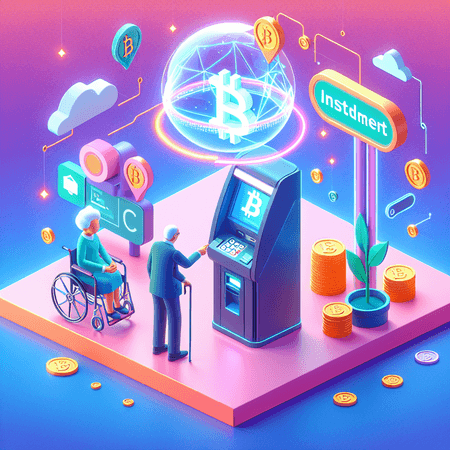
As the United States continues to tighten regulations surrounding cryptocurrency ATMs, it's crucial for seniors to stay informed and protected. These new rules aim to increase transparency and security, but they can also add complexity to crypto transactions for older adults who may be less familiar with digital technologies.
Key Points Seniors Should Know:
Enhanced Identification Requirements: Many crypto ATMs now require more thorough ID verification to comply with anti-money laundering (AML) laws. Seniors should be prepared to provide valid identification and understand privacy considerations.
Transaction Limits and Fees: New regulations may impose limits on how much cryptocurrency can be bought or sold per transaction, along with updated fee structures. It’s important to check the specifics at each ATM.
Safety Precautions: Using reputable ATMs located in secure, well-monitored areas is essential. Avoid sharing sensitive information and be cautious of scams targeting less tech-savvy users.
Alternatives to ATMs: For seniors seeking a simpler and safer approach to buying cryptocurrencies, platforms like Bitlet.app offer innovative solutions. Bitlet.app provides a Crypto Installment service that allows users to purchase cryptocurrencies now and pay in affordable monthly installments, removing the need for ATM visits and helping manage investment costs.
By staying informed about regulatory changes and leveraging user-friendly platforms such as Bitlet.app, seniors can confidently navigate the evolving crypto landscape while maintaining security and control over their investments.
For more information and user-friendly crypto purchasing options, visit Bitlet.app today.