XRP ETP Inflows Spike $63.1M: What Smart‑Money Rotation Means for Traders
Summary
Quick read: why this spike matters
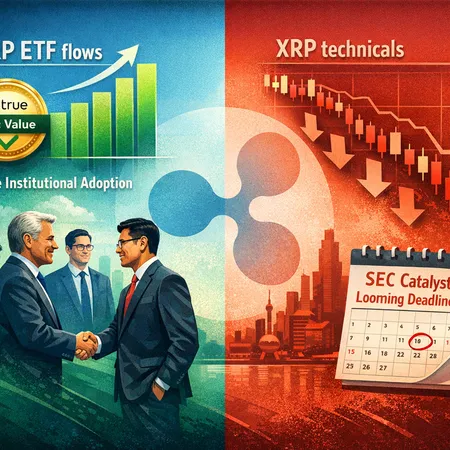
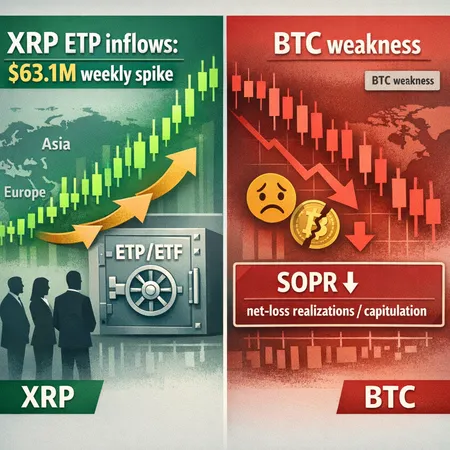
A reported $63.1 million weekly inflow into XRP exchange‑traded products (ETPs) during a period when Bitcoin is bleeding grabs attention for two reasons: magnitude and context. Large, concentrated ETP flows at a time of broad BTC weakness look like targeted reallocation — smart money nibbling at a stressed asset — rather than a general risk‑on rush. But the headline alone hides nuance: flows can come from reallocations, regional demand shifts, or short‑term arbitrage by ETP issuers.
For many traders, Bitcoin remains the primary market bellwether; so when BTC underperforms and capital moves into non‑BTC products, it signals an active investor rotation worth unpacking.
What the $63.1M XRP ETP inflow signals (and what it doesn’t)
The raw dollar number is meaningful — weekly flows of that size into a single token's ETP can move short‑term price discovery and indicate institutional interest — but interpretation matters. According to reporting on the spike, the inflows occurred during a market sell‑off, which implies buyers were willing to step in while others were exiting [source: CoinPaper]. That behavior aligns with a classic smart‑money hunt: allocate to assets perceived to be undervalued or mean‑reverting while broad market liquidity is cheap.
That said, a large ETP inflow does not guarantee a change in trend. Some flows are mechanically driven: portfolio rebalancing, new listings that attract existing client interest, or regional demand where ETPs are the easiest on‑ramp. Also, ETP managers and authorized participants can create or redeem shares for arbitrage reasons without lasting net demand.
Who is likely driving these flows?
Patterns from past ETP booms suggest a mix of actors:
- Institutional allocators and macro funds doing opportunistic allocations or tactical rebalances into XRP as a diversification away from BTC. These players prefer regulated ETP wrappers for custody simplicity and reporting.
- Regional retail and wealth channels—particularly in jurisdictions where spot ETFs/ETPs are available and popular—can generate concentrated demand quickly. ETPs listed on European or Swiss exchanges, for instance, have historically shown brisk flows into non‑BTC products.
- Market makers and authorized participants for ETF/ETP providers who capitalize on price dislocations and create shares to arbitrage the spread. Their activity can appear as gross inflows even when underlying economic exposure is transient.
The net effect: when you see an inflow headline, ask venue and product questions — which exchanges posted the subscriptions, who the listing sponsor is, and whether custodial patterns suggest long‑term allocation or temporary arbitrage. CoinPaper’s breakdown of the $63.1M event is consistent with concentrated smart‑money interest but cannot, by itself, confirm the buyer identity.
On‑chain and technical warning signs for XRP holders
Flows into ETPs are only one side of the story; on‑chain behavior and price structure tell a different tale. Two cautionary signals deserve attention:
SOPR has fallen under a key threshold. Glassnode‑derived commentary shows XRP’s Spent Output Profit Ratio (SOPR) has retested levels associated with net‑loss transaction dominance — historically a sign of distribution and sell pressure when holders realize losses rather than profits [source: U.Today]. A SOPR below 1.0 means, on balance, coins moved on that day were sold at a loss, which can indicate capitulation or forced selling.
Sharp recent drawdowns and volatility. As highlighted in a contrarian analysis, XRP experienced a painful decline (down ~31% in seven days in the cited piece), which amplifies tail risk for late buyers and increases the chance that inflows are being met by short‑term sellers taking profits or stopping out longs [source: The Motley Fool].
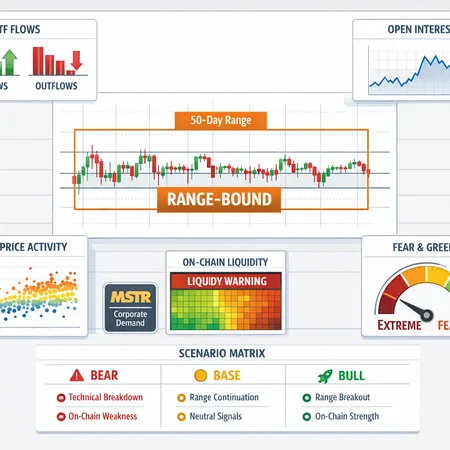
Combine those on‑chain signs with price structure: failure to hold prior demand zones, rising supply at key levels, and shrinking open interest in futures can all blunt the bullish case even when ETP flows are positive.
Reconciling smart‑money inflows with SOPR‑driven capitulation
It sounds contradictory: institutional ETP inflows at the same time retail and on‑chain metrics show net losses realized. But markets commonly exhibit that tension during reallocations. Institutions with multi‑week reorder books may pick up coins sold by distressed retail or short‑term speculators — a buyer of last resort dynamic.
This is the essence of an investor rotation: capital migrates from one beta (BTC) into another instrument (XRP) not because fundamentals flipped overnight, but because relative value, regulatory clarity, product accessibility and short‑term rebalancing create pockets of demand. Still, buying flow does not immunize you from price weakness if distribution is broad and leverage is present on the sell side.
Practical risk/reward framework for traders and allocators
If you’re an intermediate trader or an allocator thinking about adding XRP exposure amid ETF/ETP flows and BTC weakness, consider a layered approach:
- Position sizing: limit initial exposure (e.g., 1–3% of crypto allocation) until price proves resilience above meaningful demand zones. The environment favors capital preservation over maximal upside chase.
- Entry strategy: stagger buys across volatility bands rather than a single market order. If you prefer higher conviction, wait for confirmation such as a reclaim of a prior accumulation zone, rising SOPR back above 1.0, or sustained ETP inflows across multiple weeks.
- Risk controls: use tight, visible stops on spot trades or consider buying structured exposure (vertical put spreads, defined‑risk calls) to cap downside while keeping upside optionality.
- Time horizon: match the instrument to intent. ETP flows may matter for multi‑week moves; short‑term scalps should lean on on‑chain and funding metrics.
For allocators, it’s also worth considering cross‑portfolio impact: if BTC remains weak, correlation can rise and wipe out idiosyncratic alpha in alt allocations. In other words, positive ETP flows into XRP can be offset by macro or BTC‑driven drawdowns.
Trade ideas (examples, not advice)
- Tactical swing: layer into spot on pullbacks with a 20–35% stop from entry; target a modest reward multiple (1.5–2x) and re‑assess on SOPR recovery.
- Options collar: sell covered calls against a spot holding while buying protective puts to limit downside; this turns a directional bet into a yield‑enhanced, capped upside trade.
- Relative value: for those who want pure rotation exposure, consider a paired trade long XRP ETP / short small BTC futures size — this isolates relative performance while reducing outright directional exposure.
Whatever you choose, log decisions and outcomes. Clear rules reduce emotional buying into headlines and selling into fear — and remember the product wrapper matters. ETPs provide easier custody and institutional plumbing, which is why many smart‑money flows route through them.
Final takeaways
The $63.1M weekly spike into XRP ETPs is a meaningful signal of focused demand, and it deserves attention from traders and allocators. But flows alone don't remove market risk: Glassnode‑linked SOPR weakness and recent heavy drawdowns underline that much of the current activity looks like opportunistic accumulation against a backdrop of realized losses and potential capitulation.
Treat the event as part of a wider investor rotation narrative: smart money is reallocating, but the path to a durable trend requires on‑chain improvement, price structure recovery, and consistency in flows. For intermediate traders, that means disciplined sizing, rule‑based entries, and contingency planning. For allocators, it means fitting any XRP exposure into a broader, BTC‑aware portfolio posture.
Bitlet.app users tracking ETP and ETF flows should combine product‑level flow data with on‑chain metrics like SOPR to avoid being blindsided by short‑term distribution.