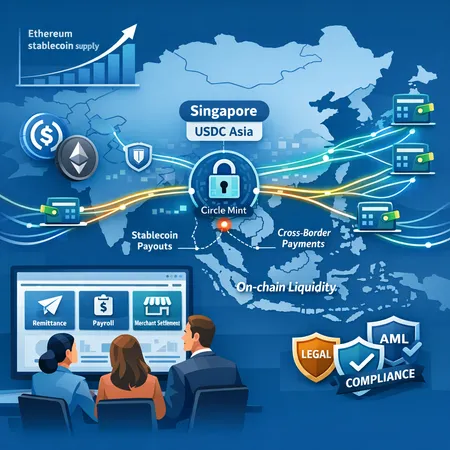
The Impact of Stablecoins on Cross-Border Transactions and Remittances
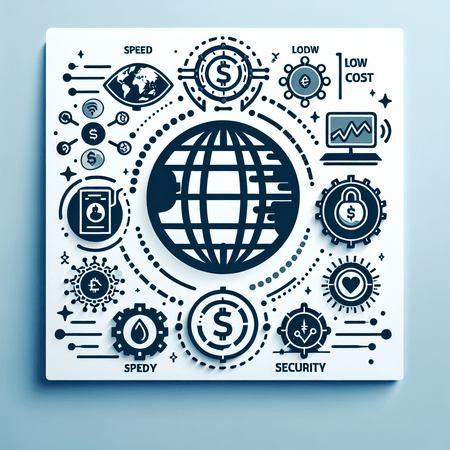
Stablecoins have emerged as a game-changer in the realm of cross-border transactions and remittances. These digital currencies, pegged to stable assets like the US dollar, offer the best of both worlds— the speed and efficiency of cryptocurrencies with the stability of traditional fiat currencies.
One of the primary advantages of using stablecoins for cross-border transactions is the significant reduction in transaction costs. Traditional remittance methods often involve high fees, especially when transferring funds across countries. In contrast, stablecoins operate on blockchain technology, which allows for nearly instantaneous transactions with minimal fees. This cost-effectiveness can lead to substantial savings for individuals and businesses alike, making it a preferred choice in various markets.
Additionally, stablecoins enhance security and transparency in cross-border transactions. Blockchain technology ensures that all transactions are recorded publicly and cannot be easily altered, significantly reducing the risks of fraud and chargebacks associated with traditional remittance channels.
Furthermore, stablecoins facilitate easier access to financial services for unbanked populations. Many individuals in developing countries face challenges accessing conventional banking services. With stablecoins, users can engage in digital transactions using just a smartphone, promoting financial inclusion.
The adoption of stablecoins is also supported by various platforms like Bitlet.app, which not only allows users to manage their cryptocurrency transactions seamlessly but also offers innovative features like a Crypto Installment service. This feature lets users buy cryptocurrencies, including stablecoins, now and pay for them monthly, making it easier to enter the crypto space without financial strain.
In summary, as stablecoins continue to gain traction in the global financial ecosystem, their impact on cross-border transactions and remittances cannot be overstated. They represent a significant step towards a more efficient, cost-effective, and inclusive financial future.