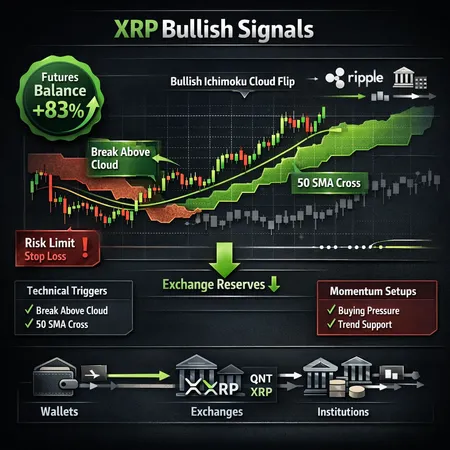
What the U.S. Spot XRP ETF Launch Means for Market Structure — A Tactical Playbook

Summary
Why the U.S. spot XRP ETF launch matters now
The arrival of a U.S. spot XRP ETF is more than a new ticker — it is an inflection point for XRP market structure. An ETF traded on Nasdaq immediately exposes XRP liquidity to traditional equities rails: displayed order books, broker access, institutional execution algos, and the arbitrage machinery of authorized participants (APs) and market makers. For traders and allocators, that means faster price discovery on regulated venues, potentially larger inflows from allocators who will only access XRP via regulated fund wrappers, and new microstructure dynamics as ETF share creation/redemption interacts with spot, futures and OTC liquidity.
Canary Capital’s XRPC (Nasdaq:XRPC) is the name to watch this week — the vehicle that set the precedent — but the systemic impact will come as multiple spot XRP ETFs list and share both demand and arbitrage capacity over the coming days. Institutional flows that previously moved through crypto native routes now have a regulated pipe; the net effect is higher visible liquidity but also episodes of compressed/extended spreads as market makers reprice risk.
The regulatory path and “automatic‑effectiveness” mechanics that cleared XRPC
Understanding how XRPC cleared is essential for gauging fragility and timelines. Exchanges like Nasdaq submit rule‑change filings to list new products. Under the Exchange Act’s review windows, some filings can become effective automatically if the SEC does not act within the statutory time frame (this is often referred to as the automatic‑effectiveness or deemed‑effective process). In practice, that creates a calendar: once an exchange filing moves through the window without commission objection, the exchange has the technical authority to list products under the newly effective rule.
Canary Capital’s XRPC benefitted from those mechanics. Nasdaq’s listing rule change provided the exchange the necessary framework to list a spot XRP fund; when the SEC did not block the rule within the statutory window, the rule became effective, clearing a major procedural hurdle for XRPC. That doesn’t mean regulatory oversight disappears — the SEC retains ongoing enforcement and disclosure authority — but it does mean the clock for listing and trading can move quickly once exchange mechanics are in place.
Why this matters operationally: automatic effectiveness compresses lead time. Market participants who watch the filing calendar can anticipate listing windows and pre‑stage execution, custody and hedging lines. It also creates discrete event risk: if several issuers hit the same window, liquidity and spreads may react violently on listing day.
Which spot XRP ETFs are likely to go live in the next 12 days (what to monitor)
As of this writing, Canary Capital’s XRPC is the confirmed fund that cleared via Nasdaq mechanics and is the first candidate to trade. For other issuers, the practical way to build a reliable list is to watch three filing sources in real time:
- Exchange 19b‑4 filings and the Nasdaq rule calendar (these show when an exchange rule will permit listing).
- Form N‑1A/S‑1 and related registration statements on EDGAR (these identify fund sponsors and prospectus details).
- FINRA and broker dealer bulletin updates (these often show ticker reservations and readiness to trade).
Rather than speculate on tickers that may change, institutional desks should compile a watchlist of issuers who have filed rule changes or registration statements and assign each a 0–3 day, 4–7 day, or 8–12 day probability window. Tracking CUSIPs and ticker reservations through custodians and prime brokers will give you the concrete list of funds that will actually trade.
Immediate liquidity and trading implications
The moment XRPC and sibling spot ETF shares hit Nasdaq, expect a set of structural impacts across the market.
Liquidity profile and volatility
- Visible on‑exchange liquidity. ETFs create an on‑exchange order book accessible to brokers and algos. That brings displayed depth that the spot OTC markets don’t always show. However, displayed depth is different from true spot depth; APs and market makers will provide interaction liquidity primarily around the ETF’s net asset value (NAV).
- Intraday volatility spikes. Listing events concentrate flows: retail curiosity, headline-driven flows, and institutional allocations happen in a narrow window. Early sessions will likely see wider quoted spreads and intermittent block trades as APs prove out creation/redemption mechanics.
- Cross‑venue basis moves. Expect basis volatility between spot XRP venues and ETF shares. If the ETF attracts strong demand, ETF shares can trade at a premium to NAV, prompting arbitrage creations that pull spot XRP into custody. Conversely, rapid outflows drive discounts and forced OTC selling into exchange or futures markets.
Institutional flows and who moves first
- Authorized participants (APs) and ETF market makers will lead the initial flows; they import spot XRP into custodial solutions to create shares. These are the entities that compress spreads and provide primary liquidity.
- Asset managers and allocators may run staged buys (laddered days) or use dark pool executions to reduce market impact. Hedge funds and prop desks will lean into stat arb and basis trades immediately.
Custody, clearing and settlement plumbing
- Custody: Spot XRP must be held with custodians that meet institutional standards (qualified custody, insurance, segregation policies). The ETF sponsor’s custodian is a critical counterparty — failures or delays there amplify settlement friction.
- Clearing/settlement: ETF shares will settle via securities rails (DTCC/NSCC) with T+2 or the prevailing equity settlement cycle. The conversion between spot ledgered XRP and fund shares requires operational coordination: APs deliver spot XRP to the custodian, the ETF issues shares which then clear through the equity system. Expect the first few days to reveal operational kinks (cutoff times for same‑day creations, KYC slowdowns, etc.).
- Derivatives interplay: Prime brokers will hedge exposures via XRP futures/perpetuals and options, which ties crypto derivatives order books more tightly to the ETF product and may change basis and funding dynamics.
Tactics and a short playbook for ETF listing week
Below is a tactical checklist and trade ideas split between immediate trading strategies and allocator operational steps.
Pre‑listing operational checklist (must‑do)
- Confirm access: Make sure your broker/dealer and prime broker have inventory and quoting capability for the new ticker. Reserve ticker with your OMS/EMS and confirm trading permissions.
- Custody and settlement: Validate custody counterparties and AP relationships if you plan institutional AP activity. Confirm creation/redemption cutoffs and operational contact points at the sponsor’s custodian.
- Risk limits and capacity: Update intraday risk limits for ETF spread and underlying spot exposure. Ensure margin lines for short hedges (futures or swap lines) are in place.
- Data feeds: Subscribe to Nasdaq TotalView or your preferred market data that captures both ETF ticks and underlying venue prices. NAV and indicative NAV (iNAV) latencies matter.
Short‑term trading playbook (first 72 hours)
- Liquidity provision / market making (for sanctioned desks): Provide narrow passive quotes but keep size disciplined. Watch for informed flow — wide spreads and short lived blocks often precede directional runs.
- Cross‑venue basis arb (risky but high alpha): If ETF trades at premium > cost of creation, execute a conversion: short ETF shares (or sell into strength) while buying spot XRP to deliver to custodian as creation. Reverse when arbitrage normalizes. Execution costs, custody fees, and creation/redemption minimums govern viability.
- Volatility scalps: Use tight mean‑reversion algos around iNAV for small, frequent gains. iNAV mispricings often exist early as APs rebalance.
- Hedged exposure for directional views: If you’re bullish on long horizon but want to avoid first‑day spikes, stagger buys across ETF and spot, or buy ETF while shorting perpetual futures to lower carry and control delta.
Allocator playbook (multi‑day, conservative)
- Staggered entry: Use a time‑weighted entry across several trading days to reduce dispersion and avoid paying the ETF premium on day one.
- Size for liquidity buckets: Treat ETF exposure like an illiquid credit bucket until several days of continuous AV (average volume) confirm steady depth. Increase allocation as AP activity stabilizes and spreads compress.
- Operational due diligence: Confirm that the ETF’s prospectus and service provider list meet your custody, audit, and counterparty risk standards. Verify insurance and disaster recovery protocols with the custodian.
- Contingency triggers: Define stop horizons (e.g., if premium/discount persists beyond X days or if NAV mismatches exceed threshold Y) and execute pre‑approved redemption or hedge plans.
Risks and watchpoints for desks and allocators
- Operational mismatch risk: The conversion pipeline — spot to custodian to ETF share to DTCC — can suffer delays on high volume days. That’s when discounts/premiums widen and liquidity dries up.
- Regulatory and narrative risk: ETF listings invite regulatory attention and headlines. Sudden policy statements or enforcement action risk can reprice both the ETF and spot market quickly.
- Counterparty concentration: A small set of APs and market makers may dominate early provision. Concentration increases tail risk if one AP reduces commitments.
Final checklist: concrete steps to take now
- Monitor Nasdaq and SEC filing calendars hourly; set alerts for 19b‑4 and S‑1/N‑1A status changes.
- Line up execution access (prime, broker, OMS) and confirm trading permissions for XRPC and sibling tickers as they appear.
- Pre‑stage hedges via futures/perpetuals and confirm collateral requirements with your prime broker.
- Prepare a staged allocation plan and an operational escalation matrix for custody or creation/redemption issues.
The launch of spot XRP ETFs like XRPC shifts liquidity from opaque OTC routes toward regulated, displayed markets. That creates opportunity — and operational friction. Institutional desks that prepare custody, creation mechanics and hedging in advance will capture the most durable alpha; allocators who prioritize incremental sizing and contingency triggers will avoid headline‑driven slippage. Track filings closely, confirm your rails, and treat listing week as both a liquidity event and an operational stress test.
For quick reference on the asset and market developments, see our related coverage on XRP and follow ETF updates at ETF. Bitlet.app users should note platform updates to custody and settlement options as ETF flows develop.