The Impact of the GENIUS Act on Stablecoin Regulation and Consumer Protection

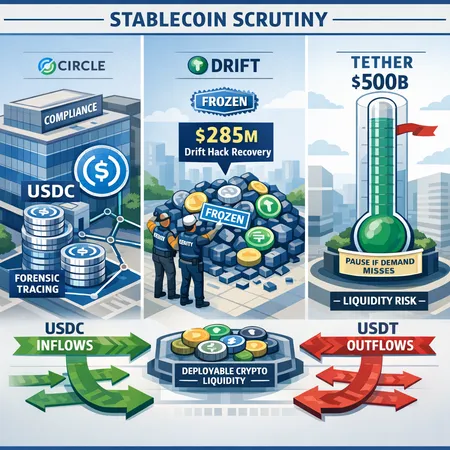
The recent introduction of the GENIUS Act has sparked significant discussions surrounding the regulation of stablecoins and the essential protection of consumers engaged in the cryptocurrency market. As digital assets have surged in popularity, stablecoins have emerged as critical components facilitating transactions and enhancing liquidity in various crypto applications. However, their rapid growth has also raised concerns regarding regulatory oversight and potential risks to consumers.
The GENIUS Act is designed to tackle these challenges head-on by establishing a comprehensive regulatory framework that seeks to ensure stability and trust in the crypto market. One of the primary objectives of the Act is to create clear operational standards for stablecoin issuers. This will likely involve requirements around capital reserves and transparency protocols to safeguard users' funds.
Furthermore, the legislation aims to strengthen consumer protection measures. By implementing guidelines that require issuers to provide adequate disclosures and maintain robust security protocols, the GENIUS Act seeks to protect consumers from potential fraud and market manipulations.
For individuals interested in investing in stablecoins or other cryptocurrencies, it is vital to stay informed about these regulatory developments, as they may shape future market dynamics. At Bitlet.app, we understand the importance of making informed financial decisions in the evolving crypto landscape. To assist our users, we offer a convenient Crypto Installment service that allows investors to gradually purchase cryptocurrencies. This service not only eases the financial burden of a full upfront payment but also aligns with the growing emphasis on consumer-friendly practices as highlighted by the GENIUS Act.
Overall, the GENIUS Act represents a proactive approach to addressing the complexities of stablecoin regulation and consumer rights, promising to create a safer environment for current and future crypto users.