Stablecoins: The Key to Seamless Global Transactions in the Digital Economy

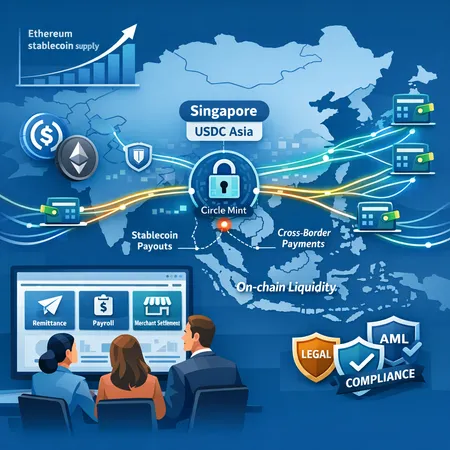
Stablecoins have emerged as a pivotal financial instrument in the ever-evolving digital economy. Unlike traditional cryptocurrencies that can be highly volatile, stablecoins are designed to maintain a stable value, usually pegged to a fiat currency or a basket of assets. This intrinsic stability makes them an attractive option for both consumers and businesses in facilitating seamless global transactions.
One of the main advantages of stablecoins is their ability to overcome the barriers associated with cross-border payments, such as high fees and long processing times. By using stablecoins, individuals and businesses can send and receive funds instantaneously, which is a game-changer, especially in regions where traditional banking is inadequate or inaccessible.
The rising popularity of stablecoins also presents opportunities for decentralized finance (DeFi) applications, enabling users to lend, borrow, and trade with ease. Furthermore, stablecoins offer a pathway for integrating cryptocurrencies into everyday transactions, fostering broader adoption and acceptance across various industries.
For those looking to invest in cryptocurrencies, utilizing platforms like Bitlet.app can make the process more accessible. Bitlet.app not only allows users to buy stablecoins and other cryptocurrencies but also offers a Crypto Installment service. This unique feature enables investors to purchase cryptos now and pay in monthly installments, easing the financial burden of one-time payments. As stablecoins continue to redefine finance, tapping into innovative platforms like Bitlet.app can truly enhance your experience in the digital economy.