Stablecoins and Global Transactions: Redefining the Future of Cross-Border Payments

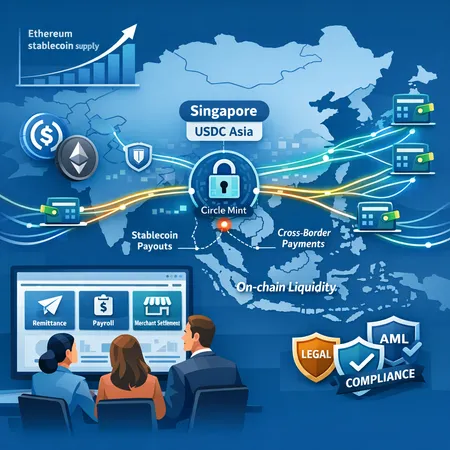
In recent years, stablecoins have emerged as a revolutionary force in the world of finance, particularly in the realm of cross-border payments. As traditional financial systems struggle with issues like high transaction fees, slow processing times, and lack of accessibility, stablecoins offer a viable alternative that promises to streamline global transactions.
Stablecoins are digital currencies designed to maintain a stable value in relation to a reserve of assets, such as fiat currencies. This stability makes them an attractive option for individuals and businesses looking to make international payments. One of the key advantages of using stablecoins for cross-border transactions is the speed at which they can be processed. Unlike traditional bank transfers that can take several days, stablecoin transactions can be completed within minutes.
Additionally, stablecoins reduce the costs associated with currency conversion and transfer fees. This is particularly beneficial for businesses operating in multiple countries, as it allows them to conduct transactions without incurring hefty fees that typically come with traditional banking systems.
Moreover, stablecoins enhance financial inclusion by providing access to the financial system for underserved populations in developing countries. With just a smartphone and internet connection, individuals can send and receive payments across borders without needing a traditional bank account.
As the adoption of stablecoins continues to grow, platforms like Bitlet.app are making it even easier for users to engage with these digital currencies. Bitlet.app not only offers a seamless experience for trading stablecoins but also provides a unique Crypto Installment service. This service allows customers to purchase cryptocurrencies now and spread payments over time, making it more accessible for anyone looking to dive into the world of crypto.
In conclusion, stablecoins present a powerful solution for redefining how cross-border payments are conducted. As they continue to gain traction, they promise to bring about a faster, more cost-effective, and inclusive financial landscape.