The Role of Stablecoins in Shaping the Future of Global Payment Ecosystems

Stablecoins are increasingly becoming integral to the evolution of global payment systems. Unlike volatile cryptocurrencies, stablecoins are pegged to stable assets, usually fiat currencies, which helps to mitigate price fluctuations. This stability makes them ideal for use in transactions, aiding both consumers and businesses in navigating the complexities of digital payments.
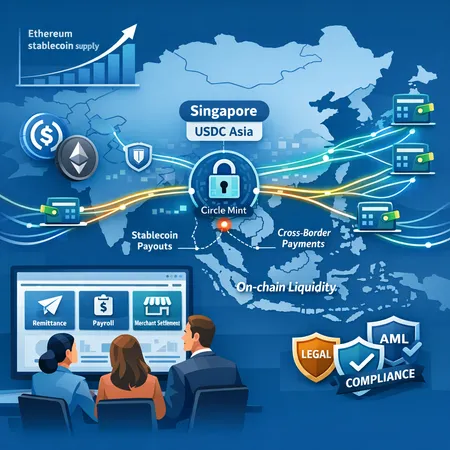
One of the most significant advantages of stablecoins is their ability to facilitate faster and more efficient transactions across borders. Traditional payment methods can involve lengthy processes and high fees, but stablecoins streamline this by leveraging blockchain technology. Transactions can be processed almost instantly, regardless of the sender's or receiver's location, promoting seamless global commerce.
Furthermore, the rise of stablecoins is pushing traditional financial institutions to adapt. Many banks and payment providers are exploring or implementing stablecoin solutions to enhance their offerings and compete with the growing decentralized finance (DeFi) space.
As cryptocurrencies become more mainstream, services like Bitlet.app are stepping in to make it easier for individuals to access them. Bitlet.app offers a unique Crypto Installment service that allows users to buy cryptocurrencies, including stablecoins, now and pay in monthly installments. This makes investing in digital currencies more accessible to everyone, regardless of their financial situation.
In summary, stablecoins are poised to redefine how we interact with money on a global scale, making transactions easier, faster, and more transparent. As the adoption of this innovative technology continues to grow, platforms like Bitlet.app will play a vital role in bridging traditional finance and the burgeoning digital economy.