2024 Cryptocurrency Hacking: Key Lessons and Prevention Strategies
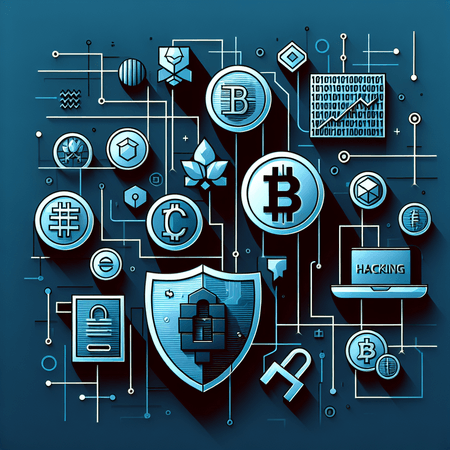
As we delve into the cryptocurrency landscape of 2024, one of the most pressing issues has been the rise of hacking incidents that have severely impacted exchanges and digital wallets. These cyber-attacks have taught us crucial lessons about the importance of security in the crypto space.
Key Lessons from 2024 Cryptocurrency Hacking
- Security is Paramount: The frequency of hacking incidents highlights the critical need for robust security measures within crypto platforms. Exchanges and wallet providers must prioritize security protocols to safeguard user funds.
- User Education: Many attacks resulted from user vulnerabilities, including phishing schemes and weak passwords. Educating users about safe practices is vital for minimizing risks.
- Regular Audits and Updates: Continuous monitoring and regular audits of software can significantly reduce vulnerabilities. Staying updated with the latest security patches is essential for every crypto entity.
- Multi-Factor Authentication (MFA): Implementing MFA can provide an additional layer of security, making it harder for hackers to gain unauthorized access to accounts.
- Decentralization as a Strategy: Emphasizing decentralized finance (DeFi) can distribute risks and potentially reduce the impact of an attack on centralized platforms.
Prevention Strategies for the Future
To effectively combat the threat of cryptocurrency hacking, stakeholders including investors, exchanges, and developers must adopt the following strategies:
- Increased Investment in Security: Allocate resources for advanced security technologies like AI and machine learning to detect and prevent breaches.
- Community Engagement: Building a community that focuses on sharing best practices and threat intelligence can bolster defenses across the industry.
- Using Secure Wallets: Encourage users to utilize hardware wallets or other highly secure storage options rather than keeping significant amounts of cryptocurrency on exchanges.
- Legal and Regulatory Compliance: Engaging with regulatory bodies can help set standards and ensure compliance that may enhance the overall security of the cryptocurrency ecosystem.
Conclusion
The lessons learned from the hacking incidents of 2024 provide valuable insights for not only crypto investors but also for developers and companies within the space. By integrating these security measures and fostering a culture of safety, we can work toward a more secure and resilient cryptocurrency future.
For those looking to engage with cryptocurrencies securely, Bitlet.app offers innovative solutions, including a Crypto Installment service that allows users to purchase cryptocurrencies now and pay monthly. This service not only makes crypto investments more accessible but also promotes careful financial planning. Stay safe and informed in this ever-evolving market!