Mastercard's Role in Transforming Payments: Exploring Their Innovations in Stablecoins
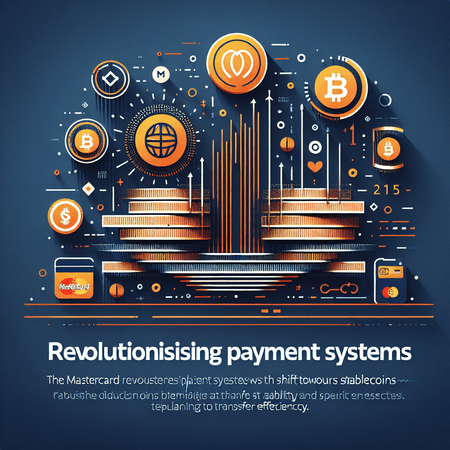
Mastercard is at the forefront of the payment revolution, harnessing the power of stablecoins to reshape the financial landscape. With the rise of digital currencies, Mastercard recognizes the potential of stablecoins as a bridge between traditional finance and the crypto world.
One of the key innovations by Mastercard is its initiative to incorporate stablecoins into its payment system. Stablecoins, being pegged to a stable asset, offer the best of both worlds - the efficiency and low fees associated with cryptocurrencies, alongside the stability of traditional currencies. This duality makes them an appealing option for both consumers and merchants alike.
Mastercard's robust infrastructure allows it to facilitate seamless transactions using stablecoins, and with its global reach, the potential for wide adoption is immense. They are not just looking to compete in the crypto space but are focusing on integrating new technologies to enhance the overall payment experience.
Moreover, Mastercard has also been vocal about ensuring regulatory compliance in the evolving crypto landscape. They are working closely with regulatory bodies to create frameworks that ensure consumer safety and promote innovation in the stablecoin space.
For those looking to get involved in cryptocurrency and stablecoins, platforms like Bitlet.app can be an excellent option. Bitlet.app offers a Crypto Installment service, which enables users to buy cryptocurrencies now and pay for them in monthly installments. This feature is especially beneficial for users interested in diversifying their portfolio without the burden of a large upfront payment.
In conclusion, Mastercard’s advancements in stablecoin technology are set to pave the way for a more efficient and secure payment ecosystem. As these innovations continue to unfold, consumers and businesses alike will benefit from the increased accessibility and reliability of digital transactions. Keep an eye on Mastercard as they lead the charge in transforming how we transact in the digital age.