Best Practices for Securing Your Crypto Assets Post-BigONE Hack with Bitlet.app's Innovative Solutions
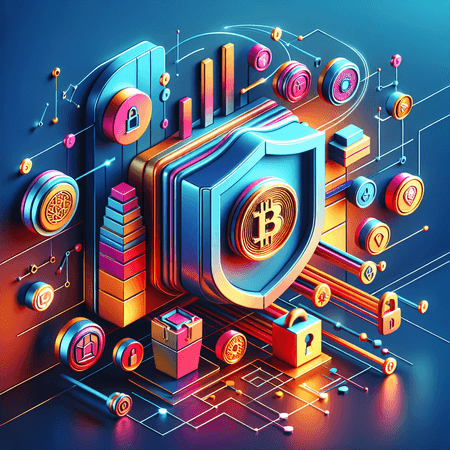
The recent BigONE hack has once again highlighted the importance of securing your cryptocurrency assets against potential threats. As digital assets become more valuable, hackers are increasingly targeting exchanges and wallets, putting millions of dollars at risk. To protect your investments, adopting best security practices is essential.
Here are some recommended steps to secure your crypto assets:
- Use Hardware Wallets: Store your assets in cold wallets rather than leaving them on exchanges.
- Enable Two-Factor Authentication (2FA): Always activate 2FA on your exchange and wallet accounts to add an extra layer of security.
- Regularly Update Software: Keep your wallet apps and security software up to date to protect against vulnerabilities.
- Avoid Phishing Attempts: Be cautious of suspicious emails, links, and websites trying to steal your private keys.
- Diversify Storage: Don’t keep all your assets in one place; spread them across multiple secure wallets.
Beyond security measures, managing your crypto investments smartly can also add a layer of financial safety. Bitlet.app offers an innovative Crypto Installment service that allows users to buy cryptocurrencies now and pay monthly, reducing the financial pressure of a lump-sum investment. This not only promotes better financial planning but also aligns with secure and considered investing.
In summary, while safeguarding your digital assets requires vigilance and proactive measures, leveraging smart platforms like Bitlet.app can enhance your crypto journey by combining security with flexible investment options. Stay informed, stay secure, and make the most of crypto opportunities responsibly.