Ethereum Rebounds as Whales Pile In Ahead of the Fusaka Upgrade
Summary
Market snapshot: rebound backed by big-money flows
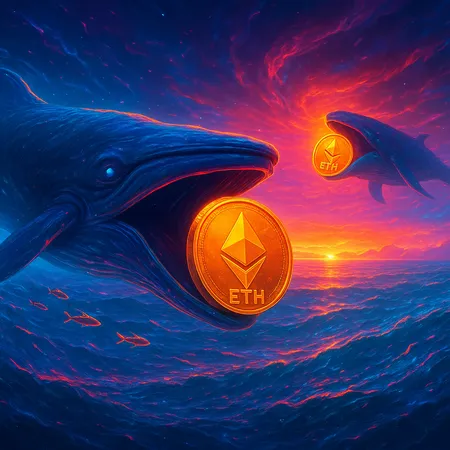
Ethereum has bounced after a period of consolidation, and the recovery appears to be whale-led. On-chain trackers recorded a noticeable uptick in large transfers to wallets historically categorized as whales, while several custodial and institutional addresses increased their ETH balances. This pattern — whales accumulating while smaller holders trim exposure — often precedes major protocol upgrades when large players anticipate reduced short-term supply or improved network fundamentals.
Whale behavior and on-chain signals
Large wallets have moved substantial amounts of ETH off exchanges into cold addresses and custody services, a classic sign of long-term positioning. Analysts note concentrated buys by addresses that hold at least 1,000 ETH, alongside several multi-million-dollar deposits to institutional custody. At the same time, smaller wallets show net outflows, aligning with a retail rotation out of spot exposure.
On-chain metrics worth watching include transfer sizes, balance changes among the top 100 non-exchange addresses, and gas usage spikes that can indicate pre-upgrade testing. These signals suggest the market’s positive sentiment is anchored by informed participants rather than purely speculative demand.
What the Fusaka upgrade means for ETH holders
The upcoming Fusaka upgrade is the catalyst behind much of this positioning. While specifics vary across developer notes, Fusaka is expected to include performance and efficiency improvements that could change fee dynamics and execution behavior. Such upgrades historically reduce uncertainty around long-term network viability and can spur accumulation by large stakeholders.
For those tracking broader industry trends, Fusaka’s rollout may intersect with changes across the blockchain ecosystem and influence liquidity in DeFi applications. Protocol upgrades also ripple into sectors like NFTs where gas predictability affects user activity.
Implications for traders and platforms
Short term, expect elevated volatility as whales continue to rebalance and the upgrade draws nearer. Key practical takeaways:
- Liquidity could tighten as long-term holders withdraw ETH from exchanges. This can exacerbate price moves on lower-volume days.
- Gas and mempool behavior may change during feature deployments; traders should monitor transaction costs closely.
- Derivative markets might price in upgrade-related scarcity, boosting funding rate dynamics and futures premiums.
Product platforms and marketplaces, including services like Bitlet.app, may see increased interest in ETH earn and installment options as users seek exposure without full spot custody. Institutional demand could also pressure custody providers and staking services.
Conclusion: cautious optimism, watch the data
The current rebound looks constructive because it’s supported by whales increasing accumulation ahead of an important network upgrade. That said, retail selling and short-term volatility remain possible. Keep an eye on large-address balance changes, exchange inflows/outflows, and upgrade testnet reports to judge whether this momentum will persist beyond Fusaka. For traders and long-term holders alike, combining on-chain signals with platform tools — and monitoring developments via services you trust — will be essential to navigate the post-upgrade landscape.