China Accuses U.S. of Stealing 127K BTC in High-Profile Crypto Hack
Summary
Background: the 127K BTC mystery returns
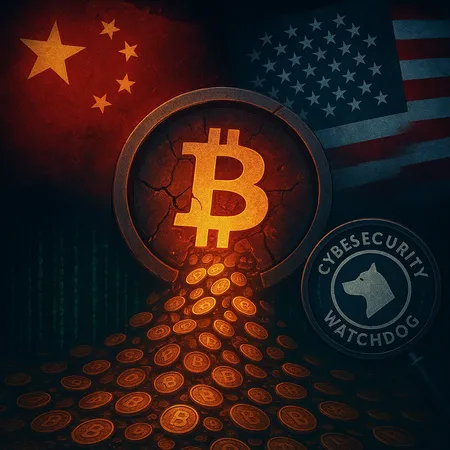
In a dramatic escalation, a Chinese cybersecurity watchdog has publicly accused the U.S. government of participating in the disappearance of 127,000 BTC, an amount worth roughly $13 billion today. This allegation revives one of the largest unresolved thefts in crypto history and shifts what many saw as a technical or criminal investigation into a geopolitical flashpoint.
The original theft — which unfolded over several years — involved complex on-chain movements, mixers, and transfers across multiple custodial and non-custodial addresses. Now, Beijing’s statement frames the incident not only as a crime but as an act implicating state actors, intensifying tensions between two major crypto jurisdictions.
Evidence and claims: what Beijing is alleging
China’s statement points to on-chain patterns and alleged custody transfers that it interprets as evidence of U.S. involvement. Authorities cited transaction timings, intermediary addresses, and links to entities they claim are controlled or influenced by U.S. institutions. Independent analysts emphasize that on-chain data can be suggestive but rarely conclusive without corroborating off-chain intelligence.
Cryptocurrency investigations often hinge on heuristics — clustering addresses, tracing coin flows through mixers, and linking deposits to exchange accounts. While these tools can show likely paths for stolen funds, they do not automatically identify the true counterparty, particularly when sophisticated obfuscation techniques are used. Blockchain analysis firms have previously solved complex flows, but state-level claims raise the bar for proof.
Market reaction and immediate impacts
Markets reacted nervously to the accusation. Bitcoin (BTC) volatility spiked as traders re-priced geopolitical risk tied to custody and sovereign jurisdiction. Short-term liquidity on some exchanges tightened while OTC desks reported increased demand for safe-haven flows. The broader crypto market also saw heightened attention: DeFi protocols, custodial services, and derivatives venues are especially sensitive to headlines suggesting state seizure or interference.
Investors should note two things: first, on-chain reserves tied to large wallets can influence market sentiment, and second, regulatory or political maneuvers often have outsized effects on prices regardless of prosecutable evidence. Platforms such as Bitlet.app — which monitor on-chain liquidity and fiat-crypto flows — will likely highlight any renewed movement from addresses tied to this case.
Legal and geopolitical implications
If either side pursues formal legal action, it could set new precedents about cross-border enforcement over crypto assets. Claims of state involvement complicate extradition, mutual legal assistance, and diplomatic resolution. International courts and arbitration could be asked to weigh in, but these processes are slow and uncertain.
The case also raises questions about custody standards. Institutions and retail platforms may accelerate migration toward insured, auditable custody solutions to reassure users. Meanwhile, DeFi and non-custodial services will point to the impossibility of unilateral seizure without private keys, though they remain vulnerable to smart contract risks and regulatory pressure.
What this means for investors and builders
Short-term: expect volatility and headline-driven flows. Larger wallets moving funds after such allegations will be treated with suspicion, leading to exchange delists or freezes in some jurisdictions. Traders should tighten risk controls and consider position sizing adjustments.
Long-term: the incident underscores the importance of transparent custody, on-chain hygiene, and geopolitical risk modeling. Projects building in areas like DeFi, NFTs, and memecoins should communicate security practices clearly to users to avoid contagion from unrelated high-profile incidents. For those managing treasury holdings, diversifying custody strategies and using multi-signature setups can reduce single-point-of-failure risks.
Practical takeaways
- Monitor major wallet activity and exchange notices closely.
- Favor custodians with clear legal and insurance frameworks.
- Maintain diversified counterparties and robust treasury controls.
Conclusion: uncertain facts, certain risks
The Chinese allegation that the U.S. seized 127,000 BTC reopens a fraught chapter in crypto history. While the on-chain traces are real, attribution to a specific state actor demands strong, corroborated evidence beyond transaction patterns. Regardless of the truth, the episode amplifies regulatory and custody concerns across the crypto ecosystem.
As regulators, exchanges, and users react, expect continued scrutiny on how large, unexplained coin movements are handled. The case will be a touchstone for debates about sovereignty, enforcement, and the limits of blockchain transparency — with material consequences for markets, protocols, and platforms alike.
For ongoing developments, keep an eye on forensic reports and official filings rather than initial headlines.