China Questions US Role in Seizure of 127,271 BTC from Major Mining Pool
Summary
Background: DOJ Forfeiture and China’s Response
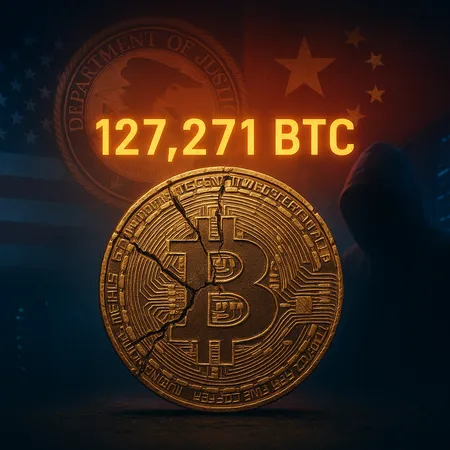
On November 11, 2025, U.S. prosecutors announced what they described as the "largest forfeiture action" in Department of Justice history after gaining control of funds tied to a major hack of the LuBian mining pool. The recovered amount — 127,271 BTC — is one of the largest single recoveries on record. Beijing has since publicly demanded details about how U.S. authorities accessed the coins, calling for transparency and cautioning against unilateral actions that could set a precedent for cross-border asset seizures.
Market Reaction and Immediate Impact
Crypto markets reacted with short-lived volatility as traders parsed the legal and technical claims. While bitcoin’s price moved modestly, the broader effect was to amplify concerns over custody and the security posture of mining pools and custodial services. Institutional investors and retail users are watching for how exchanges and custodians will respond to heightened scrutiny — a reminder that operational security remains a critical front in the ongoing maturation of the crypto market.
Legal and Diplomatic Fallout
China’s statement frames the seizure as not just a law-enforcement success but a diplomatic issue. Questions center on whether the U.S. used court orders, cooperation from foreign intermediaries, vulnerabilities in custodial services, or covert access to private keys. If methods involved extraterritorial access without Beijing’s consent, the case could complicate future cooperation on cybercrime and money laundering. Legal experts warn this may spur new legislation or international agreements governing how cryptocurrencies are traced, frozen, and repatriated.
Technical Forensics: How Were the Coins Traced?
Blockchain forensics firms point to a mix of on-chain tracing, metadata, and off-chain intelligence when explaining large recoveries. Still, the chain record alone rarely explains how custody was compelled. Mixers, tumblers, and decentralized protocols can obfuscate flows, yet companies increasingly combine clustering algorithms with subpoenas, exchange cooperation, and human intelligence to follow the money. Analysts caution that until authorities disclose the operative techniques, theories will range from exchange cooperation to undisclosed vulnerabilities in the hacked pool’s key management.
What This Means for Users, Miners, and Platforms
The episode underscores two practical takeaways: operators must strengthen key-management practices, and users should prefer platforms with transparent custody models. Mining pools and custodians should adopt robust multi-signature, hardware security modules, and rigorous operational controls. For platforms like Bitlet.app — which offers P2P exchange and payment features — trust and clarity about custody and compliance will matter increasingly to users who want secure, accountable services.
Broader Implications for Crypto Regulation and Trust
Beyond the immediate technical and diplomatic questions, the case highlights tension between cross-border law enforcement and digital asset sovereignty. Regulators may push for clearer frameworks on asset recovery, while crypto-native solutions — from improved DeFi auditing to more accountable custodial services — will aim to reduce attack surfaces. Observers also note that heightened enforcement can reduce activity for illicit actors, but it may drive innovation in privacy tools and more sophisticated obfuscation techniques.
Takeaway
The seizure of 127,271 BTC tied to the LuBian hack is a landmark moment that combines law enforcement, forensic innovation, and geopolitics. Until authorities clarify how access was obtained, questions will persist about methodology and jurisdiction. For participants across the ecosystem — miners, exchanges, DeFi users, and retail holders — the event is a reminder to prioritize security and legal clarity as crypto continues to intersect with international relations. For ongoing coverage of related topics such as blockchain developments and market-moving stories, stay tuned to specialist outlets and industry platforms.