Appeals Court Tosses $364M Bitcoin Claim, Rules Evidence Too Late
Summary
Case Dismissed: Timing and Evidence Were Fatal
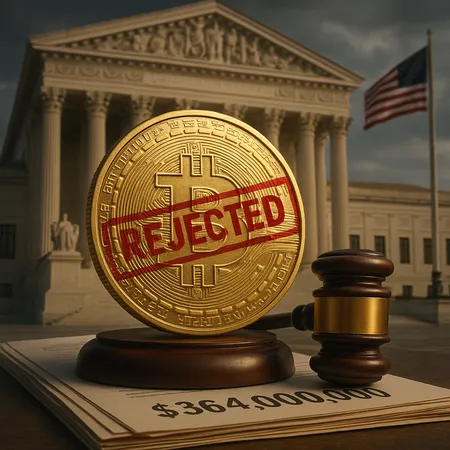
A federal appeals court has shut down one of the largest bitcoin compensation claims in recent memory, tossing a $364 million demand by a convicted fraudster against the U.S. government. The court found the claim was filed too late and failed to produce credible proof that the seized bitcoin actually belonged to the claimant. This decision closes a high-profile chapter in post-seizure litigation and clarifies how aggressively courts will apply procedural and evidentiary rules in crypto-related disputes.
Court Decision and Rationale
The appeals panel relied on two core legal points: statute-of-limitations-type timing rules and the claimant’s inability to establish a reliable chain of custody for the bitcoin. Judges noted gaps in the evidentiary record — missing transaction links, reliance on uncorroborated wallet addresses, and late-produced documents — that prevented a firm connection between the assets and the alleged victim.
By emphasizing procedural thresholds, the court signaled that courts will not relax traditional proof standards simply because assets are digital. The ruling underscores that blockchain transparency alone does not replace standard evidentiary burdens when linking on-chain coins to off-chain ownership or criminal activity.
Market and Legal Implications
For traders and platforms the immediate market reaction was muted: bitcoin prices saw only modest movement after the ruling. Still, the decision carries important legal implications. First, it reduces short-term tail risk for government-held crypto by making large, retroactive recovery claims harder to sustain when not timely filed or poorly documented.
Second, the ruling establishes a useful precedent for exchanges, custodians, and P2P platforms — including services integrated with Bitlet.app — which can point to appellate authority when defending against belated claims. It also highlights the importance of rigorous compliance, record-keeping, and forensic analysis when handling seized or transferred crypto assets.
What This Means for Claimants and Platforms
Claimants seeking restitution or recovery should act quickly and assemble strong on-chain and off-chain evidence: transaction histories, key custody records, contemporaneous communications, and forensic wallet analysis. Platforms and legal teams should formalize retention policies and improve forensic readiness to reduce future litigation exposure.
Takeaway and Outlook
The appeals court’s ruling closes a high-dollar claim but opens broader questions about how courts will treat digital-asset evidence going forward. Expect stronger incentives for meticulous documentation and faster legal action from parties claiming ownership. For users watching the evolving intersection of blockchain and regulation, the decision is a reminder that transparency alone is not a substitute for legal rigor. For ongoing coverage of market and legal developments affecting Bitcoin and broader DeFi, follow updates and analysis — and consider how custody and compliance choices on platforms like Bitlet.app shape outcomes in future disputes.
Key fact: the claim for $364 million was dismissed, setting a cautionary precedent for late and under-documented recovery suits.