Inside the $42 Million Ethereum Heist: Lessons from North Korean Hackers

Published at 2025-05-06 17:32:41
Inside the $42 Million Ethereum Heist: Lessons from North Korean Hackers – cover image

In a stunning event that has sent shockwaves throughout the cryptocurrency community, a $42 million Ethereum heist has been attributed to North Korean hackers. This incident not only highlights the vulnerabilities within the digital currency space but also serves as a stark reminder of the lengths to which cybercriminals will go.

The theft involved sophisticated techniques, including phishing and exploiting vulnerabilities in smart contracts, which allowed the hackers to bypass security measures and siphon off funds from unsuspecting users. As we dissect the implications of this heist, it's crucial to draw lessons that can fortify individual and institutional security.

  1. Strengthen Security Protocols: Use two-factor authentication and cold storage options to protect assets.
  2. Educate Users: Awareness campaigns about phishing attacks can mitigate risks.
  3. Monitor Transactions: Blockchain transparency allows for monitoring suspicious activities; being proactive is essential.

As the crypto landscape continues to evolve, the vulnerabilities exposed by this incident demonstrate the need for constant vigilance. Platforms like Bitlet.app not only support users in their crypto ventures but also promote secure trading practices. Bitlet.app offers a Crypto Installment service, allowing users to buy crypto now and pay over time, ensuring that financial planning goes hand in hand with security measures. Stay informed and vigilant while navigating the complexities of the crypto world.
Share on:

Related posts

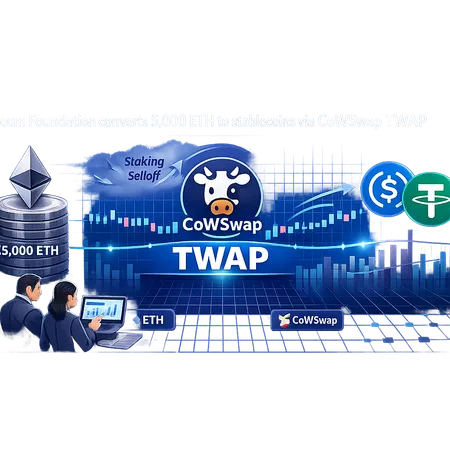
Why the Ethereum Foundation Sold 5,000 ETH via CoWSwap TWAP — Market Impact and What Comes Next – cover image
Why the Ethereum Foundation Sold 5,000 ETH via CoWSwap TWAP — Market Impact and What Comes Next

The Ethereum Foundation converted 5,000 ETH to stablecoins using a CoWSwap TWAP strategy to fund operations and grants. This article explains the mechanics, why TWAP/stablecoins were chosen, and how the sale affects the staking-selloff narrative, liquidity, and short-to-medium-term price dynamics.

Published at 2026-04-09 14:38:49
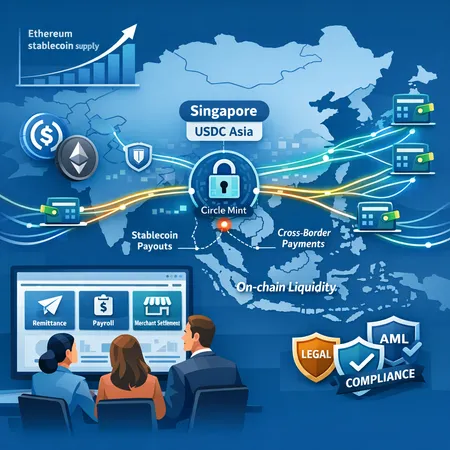
Stablecoin Infrastructure in Asia: A Treasury Guide to USDC Payouts and On‑Chain Liquidity – cover image
Stablecoin Infrastructure in Asia: A Treasury Guide to USDC Payouts and On‑Chain Liquidity

A practical guide for corporate treasurers and crypto payments teams on deploying USDC rails in Asia, covering Circle’s Singapore mint, rising Ethereum stablecoin supply, compliance, and real-world payout scenarios.

Published at 2026-04-08 16:37:42
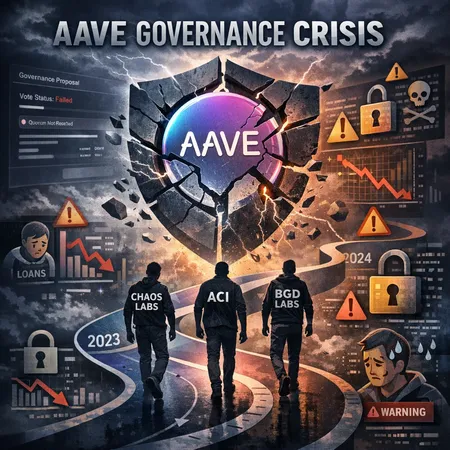
Aave's Governance Crisis: What the Loss of Its Risk Manager Means for DeFi – cover image
Aave's Governance Crisis: What the Loss of Its Risk Manager Means for DeFi

Aave is facing a governance and operational stress test after its primary risk manager and other contributors stepped back. This feature explains the timeline, why risk-manager loss matters, immediate lender/borrower risks, and a practical playbook for DAOs and institutional risk teams to stabilize risk operations.

Published at 2026-04-07 13:06:25