The Impact of North Korean Cybercriminals on Ethereum: Lessons Learned

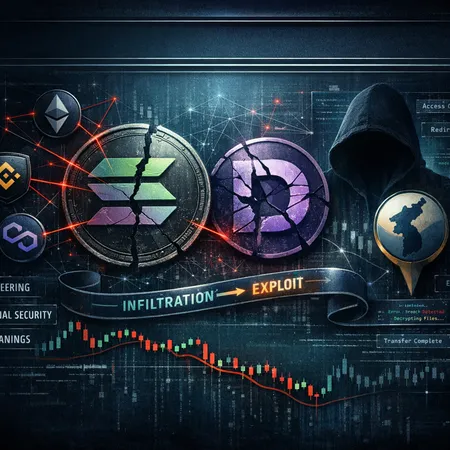
The rise of cryptocurrency has attracted not just investors but also cybercriminals, with North Korean hackers emerging as key players in the crypto crime landscape. Their extensive operations, particularly targeting the Ethereum network, have highlighted severe vulnerabilities and the necessity for enhanced security protocols across the blockchain ecosystem.
In recent years, reports have shown that these cybercriminals have executed sophisticated attacks to steal millions in cryptocurrencies, leading to significant financial losses for individuals and exchanges alike. One of the stark realities revealed by these incidents is the critical importance of robust security measures, including multi-factor authentication, regular system audits, and transparent operations for crypto platforms.
According to experts, the lessons learned from North Korean cyber attacks underline the need for stronger regulatory frameworks and cooperation between nations to combat this evolving threat. As the cryptocurrency market continues to grow, maintaining security will be paramount to protect users and retain trust in the entire ecosystem.
In addition to the traditional security measures, platforms like Bitlet.app offer innovative solutions including their Crypto Installment service, which allows users to purchase cryptocurrencies now and pay in monthly installments. This flexible payment option could potentially encourage more secure practices by easing the financial burden on new users and allowing them to invest while taking time to learn about security measures fully.
In conclusion, the impact of North Korean cybercriminal activity on Ethereum serves as a vital reminder for all participants in the crypto market to prioritize security, adapt to new threats, and consider solutions that not only make investing easier but also safer.