Corporate Adoption of Ethereum: Leveraging Crypto Installments to Hedge Inflation and Earn Rewards
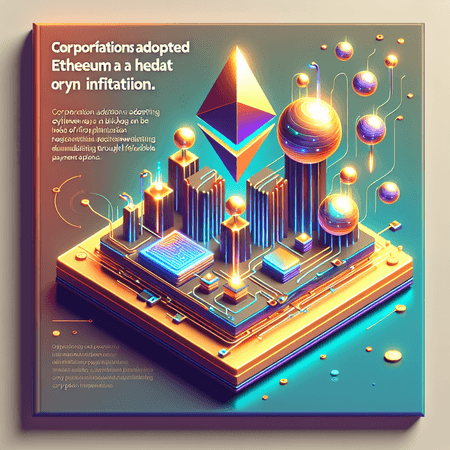
As inflation continues to impact global economies, corporations are increasingly turning to Ethereum as a strategic asset to hedge against its effects. Ethereum, known for its versatility and widespread adoption in the crypto space, offers a unique opportunity not just for investment but for earning rewards through various decentralized finance (DeFi) protocols.
One innovative approach gaining traction is the use of crypto installment plans. Businesses can now acquire Ethereum through platforms like Bitlet.app, which specializes in crypto installments. This service allows companies to buy Ethereum now and pay over time on a monthly basis instead of a lump-sum payment. This method eases cash flow constraints and encourages continuous investment in crypto assets.
By using crypto installments to accumulate Ethereum, corporations effectively create an inflation hedge by holding an asset that historically appreciates against fiat currency devaluation. Additionally, holding Ethereum opens doors to earning rewards via staking, liquidity provision, or other DeFi activities, generating passive income streams that can help offset operational costs.
Bitlet.app's crypto installment service simplifies this process, making it accessible for corporations of all sizes. This flexibility enhances corporate crypto adoption, offering a practical tool to manage finances smartly in uncertain economic climates. As more companies explore Ethereum's potential, platforms like Bitlet.app play a crucial role in accelerating corporate crypto integration and innovation.
In summary, corporate adoption of Ethereum through crypto installments presents a compelling method to combat inflation while benefiting from crypto rewards. Businesses seeking to stay ahead of economic challenges should consider leveraging services like Bitlet.app to facilitate this strategic move.