Financial Inclusion
Rwanda's central bank has launched a 12‑month pilot for a central bank digital currency after completing a successful proof of concept in late 2025. The pilot will assess technical, operational and regulatory readiness ahead of any wider rollout.
At Davos, economist Vera Songwe said remittances and inflation hedging are driving stablecoin adoption across Africa, now outpacing aid as a lifeline. The trend could lower costs and speed transfers for households facing currency volatility.
Revolut has applied for a Peruvian banking license as part of a broader push to offer local payment and banking services, targeting a market with high smartphone use but low formal financial access.
The Marshall Islands has launched ENRA, the first sovereign on-chain universal basic income program funded by a U.S. Treasury-backed digital bond issued on the Stellar blockchain. The pilot aims to increase financial inclusion while adding transparency and automated distribution for citizens.
Pakistan is advancing a national digital asset framework with Binance advising on new rules to create a secure, transparent ecosystem aimed at boosting regulation, innovation and financial inclusion.
Bolivia’s Economy Minister José Gabriel Espinoza announced the integration of stablecoins into the country’s banking system, part of a broader plan to modernize the national economy. The move would make Bolivia one of the first countries to embed crypto-based payment tools directly into traditional financial services.
A Bitcoin Policy Institute study finds Democrats, Republicans and Independents back Bitcoin for different reasons — financial freedom abroad, energy/grid benefits, and domestic financial access respectively. The findings point to growing cross-party openings for targeted crypto policy and adoption.
A recent survey finds Bitcoin resonates with US voters regardless of political leaning, citing financial inclusion, permissionless transactions, and energy-grid benefits. The cross-partisan appeal could influence regulatory debates and adoption.
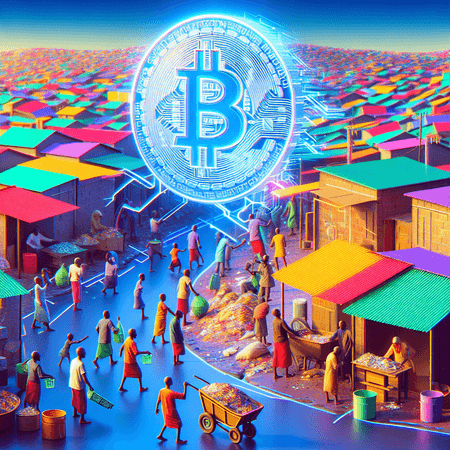
AfriBit Africa introduces bitcoin to Soweto West in Kibera, Kenya's largest slum, enabling around 200 residents, including garbage collectors and local merchants, to use bitcoin for daily transactions via the Lightning Network. This initiative aims to provide unbanked individuals with faster, low-fee alternatives to traditional mobile money services like M-PESA, despite concerns from experts regarding bitcoin's volatility and regulatory challenges.
DeFi
All DeFi postsBitcoin
All Bitcoin postsDerivatives
All Derivatives posts- Uncovering XRP’s Hidden Bull Case: Futures Surge, Ichimoku Flip, Reserve Decline and Institutional Signals
- Privacy‑Coin Resurgence: Why ZEC, XMR, DASH and DCR Ripped Higher in April 2026 — Risks & Trade Rules
- XRP’s Quiet Buildup: Do Derivatives, On‑Chain Flows and Ledger Resilience Signal a Real Breakout?