Wirex and EMURGO Launch First Cardano Card for Global Crypto Payments
Summary
What the Card Is and How It Works
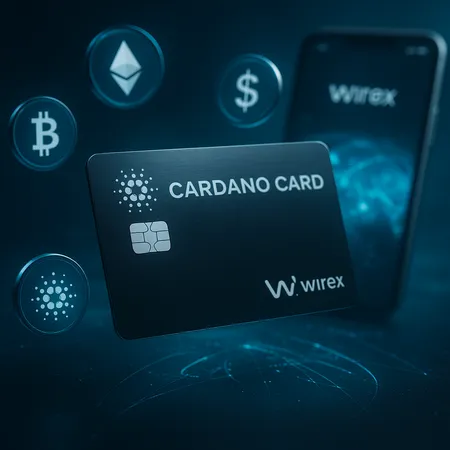
Wirex and EMURGO — the commercial arm of Cardano — have announced a collaboration to create the Cardano Card, a multichain payments card built directly into the Wirex app. The card supports over 685 cryptocurrencies, allowing users to spend assets like ADA, BTC, ETH and USDC at merchant terminals without separate conversions. Wirex’s in-app integration handles the backend conversion and settlement, so users see a simple spend flow while the app routes the necessary crypto-to-fiat exchanges.
Why This Matters for Consumer Crypto Payments
By combining Cardano’s ecosystem backing with Wirex’s payments infrastructure, the Cardano Card tackles a long-standing barrier: turning diverse crypto holdings into everyday purchasing power. This reduces the friction of using blockchain assets for real-world transactions and can expand use cases beyond trading and staking. The move also positions Cardano more directly in the payments conversation, alongside incumbent crypto cards and fintech offerings.
Network Effects and Ecosystem Impacts
Supporting hundreds of tokens in a single card product helps drive liquidity and network effects. Cardano projects and ADA holders gain an additional channel for utility, while multisupport attracts users who hold diversified portfolios. The announcement also matters for adjacent areas like DeFi and blockchain applications, since easier offramps can increase on-chain activity and the velocity of assets across ecosystems.
What Users Should Expect Next
Practical details such as geographic availability, fees, and KYC requirements were not exhaustively outlined in the announcement. Expect phased rollouts typical of card launches and regional compliance checks. Users should also watch for dynamic conversion rates and card limits that affect spend efficiency; Wirex’s experience with multi-asset cards suggests the UX will prioritize convenience, but cost and settlement timing will determine real-world competitiveness.
Broader Industry Context and What This Signals
This partnership underscores continued commoditization of crypto payment rails: major wallet and card providers are racing to add more assets, faster conversions, and simpler UX. For businesses and users on platforms like Bitlet.app, the Cardano Card demonstrates how payments and consumer finance products are converging — improving liquidity for installment plans, P2P exchange flows and on-ramps. As more cards enable broad token support, expect competition around fees, fiat partners, and value-added services like loyalty, staking rewards, or merchant integrations.
Takeaway
The Wirex–EMURGO Cardano Card is a practical step toward making crypto spendable at scale. By enabling direct use of ADA and hundreds of other tokens, the product could accelerate mainstream adoption if it balances convenience with transparent costs. For users and projects in the Cardano ecosystem, and across the wider crypto market, this is another sign that payments remain a key battleground for real-world utility.