RippleX Alerts Users to New Fake Ripple/XRP Livestream Scams
Summary
RippleX issues a timely warning
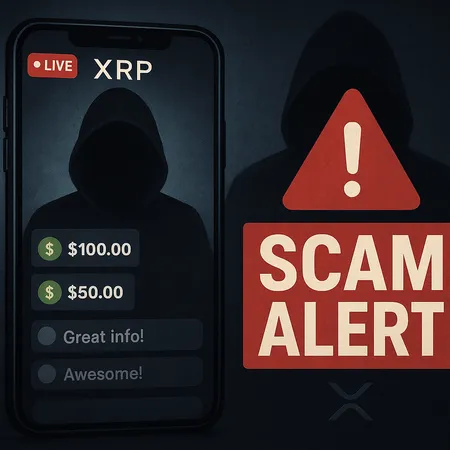
On 12 November 2025, RippleX—the developer arm of Ripple—alerted the community about a wave of fake livestreams impersonating Ripple or XRP channels. These broadcasts typically pose as official AMAs, product updates, or instant giveaway events, and they try to trick viewers into sending funds or revealing private keys. The alert underscores a broader trend of social-engineering attacks across the blockchain ecosystem.
How the fake livestream scams work
Scammers are using a mix of channel cloning, doctored overlays, and phishing links to make a broadcast look legitimate. Common tactics include:
- Claiming a time-limited XRP giveaway and asking viewers to send small amounts to a wallet to qualify.
- Posting links that lead to cloned websites prompting users to enter seed phrases or sign transactions.
- Using deepfake audio or edited video clips of executives to increase credibility.
The goal is simple: extract credentials or funds before victims realize the stream is fraudulent. These scams are increasingly polished and can fool even experienced users.
Practical steps to protect yourself
Protecting your crypto starts with skepticism and a few concrete checks. Follow these steps:
- Verify the source — cross-check social posts and livestream links against official RippleX pages and known handles. Official announcements will be listed on verified accounts.
- Never share private keys or seed phrases — legitimate events never ask for this information. If a stream requests credentials, leave immediately.
- Inspect URLs carefully — cloned sites often use subdomains or subtle misspellings. Hover over links before clicking and prefer bookmarks for frequently used services.
- Use platform reporting tools — report suspicious streams on YouTube, Twitch, or social networks and alert the platform’s trust & safety team.
- Enable device protections — keep software updated, use hardware wallets for significant holdings, and enable two-factor authentication where available.
These actions reduce the chance of falling for phishing attempts or losing funds in a rush to participate in a fake promotion.
Response from RippleX and industry implications
RippleX’s alert is a reminder that token communities and developer teams must be proactive about user safety. Exchanges and P2P marketplaces should also strengthen onboarding checks and in-app warnings. For example, if you use services like Bitlet.app for P2P trades or installment options, confirm counterparties through the platform’s verification flow and avoid following links from unverified stream chats.
Platforms can add friction to high-risk actions—temporary hold periods for new wallet recipients or confirmation dialogs for external links—to blunt scam effectiveness. Regulators and law enforcement continue to pursue high-profile operators, but prevention and user education remain the fastest defense.
What to do if you were targeted
If you engaged with a fraudulent livestream, act quickly: revoke approvals in your wallet, move remaining funds to a secure wallet, change passwords, and report the incident to the streaming platform and local authorities. Document screenshots, transaction IDs, and chat logs to help investigations.
Final takeaways
Scammers are raising the bar with more convincing livestream ruses. Trust but verify—always confirm official channels before sending funds or entering credentials. RippleX’s warning should prompt users and platforms alike to double down on verification, reporting, and education to keep the community safer in the evolving crypto market.