MegaETH Revokes $1M MEGA Allocation After Influencer's Hedging Post
Summary
Background: What happened with the MEGA allocation
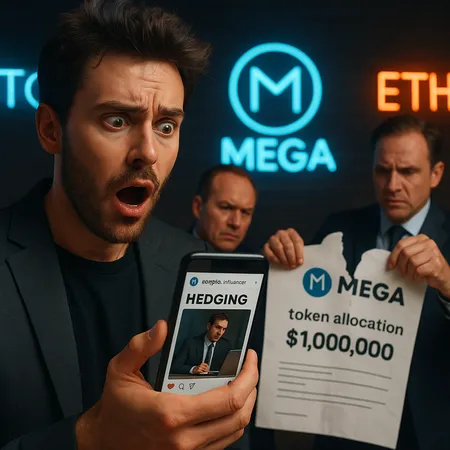
Crypto influencer IcoBeast had their allocation from MegaETH's token sale pulled after a public social media post in which they described plans to hedge their bag. The allotment — reported at $1 million worth of MEGA tokens — was revoked by the project days after the post, with MegaETH citing concerns about messaging and potential market impact.
The incident sits at the intersection of influencer marketing, token distribution policies, and compliance optics. Projects launching memecoins or early-stage tokens are increasingly wary of any public statements that could be interpreted as intent to dump, hedge, or otherwise move markets.
Why projects revoke influencer allocations
Issuers can face immediate reputational and financial risk when allocation recipients publicly disclose trading strategies. A single post can trigger sharp short-term volatility, attract regulatory attention, or be read as a red flag by other investors. MegaETH's decision to rescind the allotment follows a risk-avoidance pattern seen across the industry: when the potential cost of a public relations or market-stability issue outweighs the benefit of influencer reach, projects act quickly.
Other reasons teams cite include breaches of allocation agreements, failure to adhere to lock-up terms, or damage to community trust. For memecoin launches specifically, where sentiment drives price action more than fundamentals, the calculus is even more conservative.
Market implications and investor takeaways
This event is a reminder that influencer involvement in token sales is no longer a benign marketing tactic. Projects are tightening rules, and influencers who accept pre-sale allocations now face closer scrutiny of their public communications. For retail traders, the takeaway is to watch allocation disclosures and influencer behavior as part of due diligence — these signals can materially affect short-term price moves.
The episode also feeds into wider debates about market fairness, disclosure, and the role of social media in shaping token economies. Platforms that offer trading or installment services, including Bitlet.app, are watching these dynamics because clearer allocation and communication standards can reduce volatility and counterparty risk across DeFi and centralized environments.
How influencers and projects should respond
Influencers should treat allocation agreements like any other legal and reputational commitment: read lock-up clauses, avoid public posts that suggest immediate liquidation, and coordinate messaging with token teams. Projects, on the other hand, should draft clear policies and enforceable terms around allocations, plus contingency plans for rapid reputational mitigation.
For market participants interested in trends beyond this case, keep an eye on how teams manage influencer relationships and how communities react to revoked allocations. These events can be early indicators of stricter governance around token sales and marketing.
Final thoughts
The MegaETH–IcoBeast incident highlights the fragile balance between promotion and market integrity in the age of social-first crypto launches. As memecoin and token sale ecosystems mature, expect more formalized processes and less tolerance for public behavior that threatens price stability. For readers tracking similar developments, check stories about memecoins and broader shifts in the crypto landscape for context.
Key point: rescinded allocations are becoming a common lever for projects seeking to protect token launches from impulsive or damaging public comments.