MegaETH Cancels $1M MEGA Token Sale After Influencer Signals Hedging Plans
Summary
Quick background
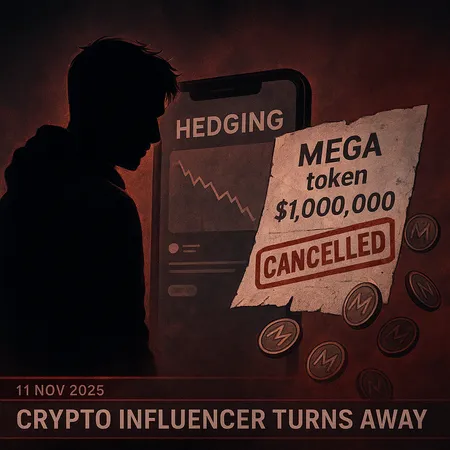
MegaETH has canceled a $1,000,000 allocation of the MEGA token that was reserved for crypto influencer IcoBeast after the influencer publicly signaled plans to hedge their position. The post — which mentioned protective trades rather than long-term holding — prompted the issuer to pull the allocation citing concerns over market impact and reputational risk. This is a reminder that in fast-moving token launches, public statements by recipients can derail distribution plans instantly.
What triggered the cancellation
IcoBeast’s social post described hedging strategies that could involve short exposure or rapid sell-side activity. Projects launching tokens often rely on measured onboarding of large holders to avoid dump cycles. When an influencer declares non-buy-and-hold intentions, token teams can view that as a direct threat to orderly price discovery and community trust. In this case, MegaETH acted quickly to rescind the allocation rather than risk early volatility or accusations of enabling coordinated selling.
Why projects are tightening allocation rules
Many token issuers now include behavioral clauses, lockups, or KYC requirements to reduce execution risk. The cancellation highlights several reasons teams do this:
- Market integrity: Large influencer sells can accelerate price crashes and harm retail investors.
- Legal and compliance: Public statements about trading strategies can create liability or regulatory scrutiny.
- Brand protection: Projects depend on community perception; association with short-term flips can damage long-term adoption.
Expect more projects to publish clearer terms and staging mechanisms for early allocations, especially in the memecoin and speculative token sector. Projects may also monitor social channels for red flags before finalizing grants.
Market and community implications
The incident feeds skepticism around influencer-driven token launches. For traders, it’s a reminder that hype alone doesn’t guarantee stability: influencer involvement can be a double-edged sword. Platforms that list or facilitate peer-to-peer trades will need stronger disclosure frameworks; services like Bitlet.app already emphasize transparent payment and trading options, which can help cautious users navigate such risks.
For the broader memecoins and DeFi landscapes, this episode may accelerate best practices: enforceable lockups, staged vesting, and pre-release communications that reduce ambiguity.
How investors and influencers should respond
Influencers should be mindful that public trading plans carry consequences beyond personal portfolios. Projects and investors should prefer documented agreements over informal promises. If you hold or watch speculative tokens, consider these steps:
- Review vesting and lockup terms before assuming allocations.
- Treat influencer allocations as potential sell pressure unless explicitly restricted.
- Follow project governance updates and legal disclosures for any changes to distribution.
Bottom line
MegaETH’s decision to cancel the $1 million MEGA allocation to IcoBeast underscores the fragile balance between marketing reach and market stability in crypto launches. As the industry matures, expect tighter allocation controls and clearer communication from issuers to protect retail participants and long-term project credibility.