SoFi Becomes First Nationally Chartered U.S. Bank to Offer Bitcoin Trading
Summary
A landmark move: SoFi enters regulated crypto trading
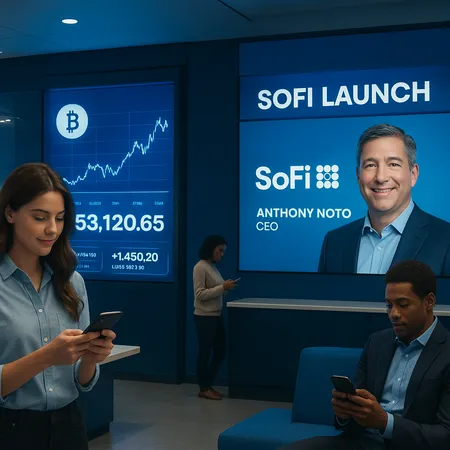
SoFi Technologies has become the first nationally chartered U.S. bank to open crypto trading to customers after receiving approval from the Office of the Comptroller of the Currency (OCC). CEO Anthony Noto framed the launch as a “major milestone” for SoFi’s all-in-one finance model, and the product offers customers regulated access to Bitcoin (BTC) and other digital assets. For retail users who prioritize bank-level oversight, this is a clear shift in where people might choose to trade and hold crypto.
What the OCC sign-off means and how the product works
The OCC approval lets SoFi operate crypto trading under a national bank charter, which brings a different regulatory posture than fintech-only brokers or unregulated platforms. That doesn’t erase all risks, but it does provide customers with a banking framework for compliance and operational oversight. SoFi’s integration into standard banking rails may simplify onboarding, funding, and reporting for users while potentially lowering friction for mass-market adoption of digital assets.
Market implications: competition, flows, and wider adoption
SoFi’s move directly challenges incumbent retail channels like Coinbase and Robinhood by combining checking, lending, investing, and now crypto in one experience. This could redirect retail liquidity toward bank-affiliated trading and compress fee margins for standalone exchanges. At the same time, mainstream distribution through banks tends to boost confidence and could accelerate institutional and retail adoption of crypto. Platforms that already mix banking and crypto services — and ecosystems such as DeFi products and blockchain rails — will be watching for user behavior changes. Services like Bitlet.app that focus on installment, earn and P2P exchange may also see renewed demand as users diversify how they access crypto.
Risks and open questions for banks entering crypto
Bringing crypto into a national bank charter means heavier compliance, custody decisions, and potential balance-sheet considerations. Key questions remain: how will SoFi custody assets, will deposits be treated differently, and how will the bank manage AML/KYC and counterparty exposure? Regulators could still impose new requirements, and operational incidents at any bank could quickly escalate scrutiny across the sector. Investors should weigh convenience gains against these governance and regulatory uncertainties.
Bottom line: institutionalization continues, but watch the details
SoFi’s launch is a clear sign that crypto is moving further into mainstream financial infrastructure — not just a retail novelty. The practical impact over the next 6–12 months will depend on adoption rates, how competitors respond, and whether regulators tighten standards. For users, SoFi’s offering presents a more familiar, bank-regulated path into digital assets; for the industry, it raises the stakes on custody, compliance, and product differentiation. Expect competition with Coinbase and Robinhood to intensify as banks test new entrant economics and customer trust.