Chinese Cybersecurity Watchdog Alleges US Stole $13.2B in Bitcoin Five Years Ago
Summary
Beijing Accuses U.S. of Seizing $13.2B in Bitcoin
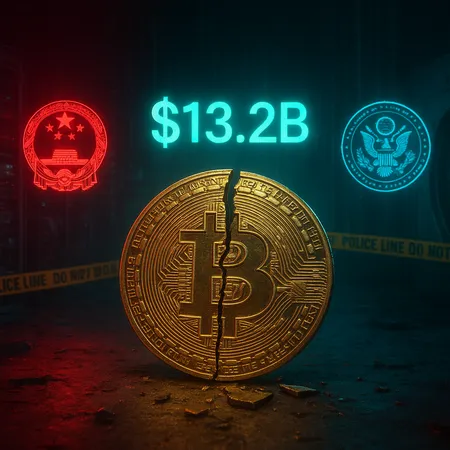
China’s cybersecurity watchdog has publicly alleged that U.S. authorities took custody of $13.2 billion in Bitcoin connected to a 2020 mining-pool hack and later rebranded those coins as proceeds from crime. The claim, released as part of a broader security narrative, points to a high-value seizure dating back five years and raises immediate questions about provenance, legal process and cross-border enforcement.
Allegations and timeline
According to Beijing’s statement, the coins originated from a 2020 incident involving a mining pool — an attack that, if accurately traced, would have left on-chain breadcrumbs linking stolen BTC to specific wallets. The watchdog asserts U.S. authorities later treated those same coins as assets seized for criminal proceeds. The timing and details are central: whether the transfer occurred during an active investigation, via a seizure order, or through private actors working with government agencies remains unspecified in the public claim.
Legal and technical questions
The allegation sits at the intersection of digital forensics and international law. On the technical side, blockchain analytics firms can often follow transaction flows, but attribution and final custody require corroborating records, subpoenas and sometimes cooperation from centralized services. On the legal side, cross-border seizures of crypto touch on extradition treaties, mutual legal assistance and the distinct frameworks different countries use to designate funds as criminal proceeds.
Tracing Bitcoin and "rebranding" claims
Chain analysis can show movement between wallets and custodial addresses, yet rebranding — the process of treating certain coins as seized or forfeited — typically depends on court orders or administrative actions. If the alleged seizure did occur, documents such as warrants, forfeiture notices or court filings would normally exist. Without those public records, independent verification is challenging. Observers will watch whether forensic evidence is produced to substantiate the watchdog’s claim and how exchanges and custodians respond when confronted with flagged addresses.
Market impact and geopolitical fallout
News of a potential multibillion-dollar seizure tends to increase uncertainty in the crypto market. Traders may interpret such claims as a sign of heightened geopolitical risk and regulatory unpredictability, triggering volatility in BTC and correlated assets. Platforms that track on-chain flows — including services and P2P features used by traders on Bitlet.app — could see increased demand for transparency and provenance tools.
Implications for industry and policy
If confirmed, the episode could prompt tighter standards for custody, more aggressive asset recovery efforts and new calls for international frameworks to manage seized digital assets. It may also accelerate adoption of compliance tooling across centralized exchanges, DeFi protocols and OTC desks, and reinforce debates over sovereignty and enforcement in the age of blockchain.
What to watch next
Watch for: (1) any public court filings or seizure notices from U.S. agencies, (2) blockchain forensic reports tying the coins to the 2020 hack, and (3) responses from major exchanges and custodians about flagged addresses. Until verifiable documents emerge, the claim remains an unresolved and high-stakes allegation with real market and policy implications.