Openbank (Santander) Launches Crypto Trading in Spain, Joining BBVA
Summary
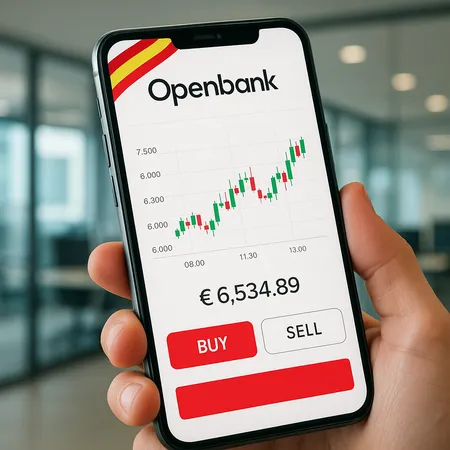
Openbank — the digital banking arm of Santander — announced on November 11, 2025 that it has started offering cryptocurrency trading to customers in Spain. The service rollout places Openbank alongside BBVA, marking a clear trend: Spanish retail banks are moving beyond education and custody pilots into active crypto trading services. This step is likely to increase on-ramps for mainstream users while intensifying competition over fees, asset coverage and user experience.
Market context and strategic motive
Spanish banks entering the retail crypto space reflects broader changes in the European financial landscape. With rising retail interest and clearer regulatory guardrails, incumbents see a chance to own the customer relationship for digital assets rather than ceding it to fintech-only exchanges. Openbank's move also mirrors a trend where traditional banks integrate crypto services to capture transaction flows, deposits and lending opportunities tied to the broader crypto market.
At play are margins and data: banks can bundle crypto with savings, cards and wealth products while leveraging existing KYC and AML infrastructure. For Santander, Openbank's launch improves competitiveness versus peers and helps retain digitally native customers who expect access to cryptocurrencies without leaving their primary banking app.
Product positioning and competition
Details from Openbank indicate a straightforward entry — spot trading on a subset of major coins, custodial wallets managed by the bank, and integration inside the existing mobile banking interface. While Santander hasn't published a full asset list or fee schedule yet, the offering will likely prioritize liquidity and regulatory-compliant assets to avoid native token risk.
This positions Openbank directly against BBVA, which has already established a presence in Spanish crypto trading. Competition will center on fees, trading pairs, custody terms, and UX. Users comparing features may also look at standalone platforms and alternative service models like installments or earning programs — for example, users familiar with Bitlet.app will compare flexibility and product breadth when choosing where to hold or trade crypto.
Implications for users and adoption
For everyday customers, bank-backed trading lowers friction: single-sign-on, deposit simplicity and perceived trust from established brands. That convenience could accelerate mainstream adoption and bring a cohort of users into the crypto economy who previously avoided standalone exchanges due to complexity or trust concerns.
However, convenience comes with trade-offs. Bank custodial services typically mean customers do not control private keys; that custodial model can expose users to platform risk even as it reduces operational burden. Prospective traders should evaluate custody terms, withdrawal limits, asset coverage and any staking or DeFi access restrictions. Those looking for non-custodial alternatives or DeFi exposure should consult both centralized and decentralized options, including regulated platforms and emerging products in blockchain ecosystems.
Regulatory and risk considerations
Spanish and EU regulators have been active in shaping rules for crypto firms and custodians. Openbank's banking license and established compliance processes give it an advantage, but banks also face stricter consumer protection and reporting obligations. Customers can expect more conservative onboarding and transaction monitoring compared with some crypto-native exchanges.
Market risks remain: volatility, custody failure, and counterparty exposures are all possible. Users should treat bank crypto services as one option within a broader portfolio strategy and read terms carefully — particularly around custody, insurance coverage and dispute processes.
What this means going forward
Openbank's launch is another signal that mainstream finance is internalizing digital assets as part of core product suites. Expect deeper competition among Spanish banks, more bundled crypto-financial products, and incremental feature rollouts such as recurring buys, tax reporting, or loyalty integrations. For users, the benefit is choice; for the market, the effect is stronger infrastructure and potentially higher retail liquidity.
If you're deciding where to trade, compare custody arrangements, fees and supported assets across providers. Whether you prefer bank convenience or the flexibility of specialized platforms, the growing ecosystem offers more pathways into crypto. Stay informed and prioritize security and clarity when onboarding to any new service.