EchoStar Sells $2.6B in AWS-3 Spectrum to SpaceX to Power Starlink Direct-to-Cell
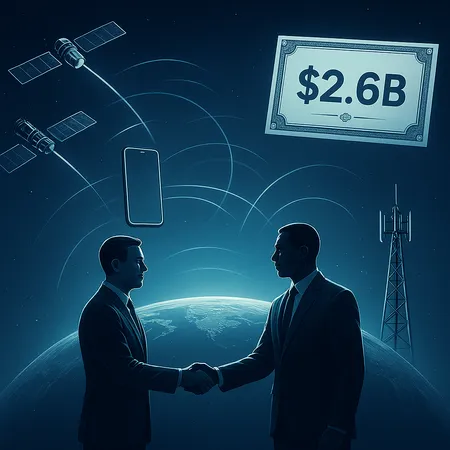
Deal at a glance
EchoStar has agreed to sell its AWS-3 spectrum licenses to SpaceX in a transaction valued at $2.6 billion in stock. The acquisition is explicitly intended to support and expand SpaceX’s Starlink Direct-to-Cell service, which aims to connect standard mobile phones directly to Starlink satellites without relying on terrestrial cell towers.
Why the spectrum matters
AWS-3 spectrum covers mid-band frequencies that are valuable for balancing coverage and capacity. For Starlink, gaining these licenses helps in two main ways:
- It provides regulatory and operational rights in frequency bands that complement SpaceX’s existing satellite frequencies.
- It reduces friction for rolling out direct-to-cell capabilities to existing smartphones, enabling better integration with mobile networks and potentially lowering latency and interference.
In short, this is a strategic buy that accelerates Starlink’s path from beta tests to wider commercial availability.
Strategic rationale for SpaceX
SpaceX has been methodically building a vertically integrated connectivity stack: satellites, ground infrastructure, and now spectrum rights that make direct mobile connections feasible. The EchoStar deal:
- Speeds up deployment timelines by adding licensed spectrum rather than pursuing secondary access or shared arrangements.
- Strengthens SpaceX’s negotiating position with carriers and regulators globally.
- Lowers technical and commercial barriers for consumer adoption of satellite-to-phone services.
This fits a broader trend where satellite operators secure terrestrial-spectrum assets to offer hybrid services that blend space and ground networks.
Implications for telecom, consumers, and regulators
For telecom operators, Direct-to-Cell is both an opportunity and a competitive threat: it can extend coverage into rural, maritime, and disaster zones, but also competes with operator roaming and infrastructure investments. Regulators will likely scrutinize spectrum transfers and interconnection agreements to ensure fair competition and spectrum efficiency.
Consumers may see tangible benefits in the form of emergency connectivity, improved coverage in remote areas, and new service bundles that mix satellite and cellular handoffs.
What this means for crypto and web3 adoption
While this is primarily a telecom transaction, improved global connectivity has knock-on effects for the crypto ecosystem:
- Broader access to blockchain networks: Reliable satellite links can make it easier for users in remote regions to access DeFi services and on-chain applications.
- Better support for IoT and microtransactions: Satellite-enabled devices could drive new use cases for micropayments and tokenized services in areas without reliable terrestrial coverage.
- Community interest in sats-related tokens: Crypto tickers like 1000SATS and SATS—which trade on the idea of Bitcoin sats as a unit—could see renewed storytelling value as satellite coverage highlights the utility of small-value payments and cross-border settlements.
For developers and platforms building for these audiences, improved connectivity lowers one of the practical barriers to onboarding users into blockchain and DeFi applications.
Market and industry reaction
Market observers will watch how SpaceX integrates the licenses operationally and whether the deal sets a precedent for other satellite firms to acquire terrestrial spectrum. While the immediate transaction is equity-based, the long-term returns hinge on adoption of Direct-to-Cell services and commercial partnerships with mobile carriers.
Platforms that facilitate peer-to-peer crypto exchange or remote payments, including services like Bitlet.app, could indirectly benefit as connectivity improves in underserved regions.
Bottom line
The EchoStar-to-SpaceX spectrum sale — $2.6 billion in stock — is a clear strategic step to accelerate Starlink’s Direct-to-Cell ambitions. Beyond telecom competition, the move has practical implications for global connectivity that ripple into the broader crypto market and web3 adoption, particularly for services that rely on ubiquitous, low-friction access.
As regulators and carriers react, the industry will be testing whether satellite-augmented mobile coverage becomes a complementary service or a disruptive force in mobile broadband and financial services.