Spanish Police Arrest Álvaro Romillo in $300M Crypto Ponzi Probe
Summary of the Arrest
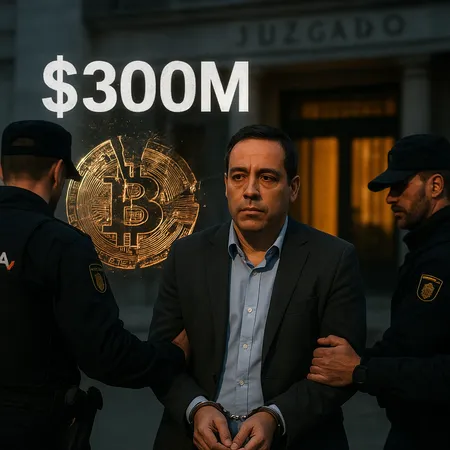
Spanish police have arrested Álvaro Romillo on suspicion of operating a Ponzi scheme that authorities say defrauded roughly 3,000 investors and involved about $300 million in alleged losses. The arrest marks a high-profile enforcement action in Europe’s evolving fight against large-scale crypto fraud.
What Authorities Say
Police statements indicate the scheme promised high, consistent returns and used investor funds to pay earlier participants — classic Ponzi mechanics. Investigators allege the operation relied on aggressive recruitment and opaque reporting to sustain the illusion of profitability until it collapsed.
Scale and Victim Profile
Victims are reported to include retail crypto investors attracted by guaranteed yields and referral incentives. Authorities estimate around 3,000 affected individuals, with combined claims near $300 million. Many victims are still attempting to trace funds and establish whether assets can be recovered.
Why This Matters for the Crypto Market
This case underlines persistent vulnerabilities in the broader [crypto market](/en/posts/news?filter=crypto market) and the need for better investor protections. Fraud of this scale can erode trust, trigger regulatory responses, and push legitimate projects to improve transparency and compliance.
Broader Trust and Compliance Impacts
- Regulators may accelerate reporting and licensing requirements for firms operating in Europe.
- Exchanges, custodians, and platforms will face heightened scrutiny over onboarding and AML/KYC procedures.
- Users and platforms alike should re-evaluate counterparty risk and due diligence practices.
Legal and Investigative Next Steps
Spanish authorities are likely to pursue asset tracing, freezing of accounts, and international cooperation to recover funds. Victims should document communication, transaction records, and any promotional materials. Legal teams specializing in crypto asset recovery are already mobilizing to file claims.
Lessons for Investors
This arrest is a reminder of core due-diligence practices:
- Verify team credentials and on-chain activity. Look for transparent tokenomics and verifiable contracts.
- Be skeptical of guaranteed returns. High, steady yields with low transparency are a major red flag.
- Check regulatory status. Confirm whether offerings comply with local rules and registration requirements.
For those exploring alternatives, familiarizing yourself with the technology layer—such as how funds move on-chain and how smart contracts are audited—can reduce exposure. See resources on blockchain fundamentals to better assess project claims.
How Platforms and Services Should Respond
Exchanges and P2P marketplaces should intensify monitoring for suspicious flows and referral-based recruitment schemes. Platforms like Bitlet.app, which offer payment and P2P features, can play a role by improving user education, KYC controls, and easy reporting channels for suspected fraud.
Final Takeaways
The arrest of Álvaro Romillo is a significant enforcement milestone but also a cautionary tale: large-scale fraud remains a real threat in crypto. Investors must combine skepticism with technical checks, and industry players should cooperate with regulators to rebuild trust and shore up protections.
If you believe you were affected, contact local authorities and seek specialized legal counsel promptly. Staying informed and cautious remains the best defense in today’s fast-moving crypto environment.