China's Cybersecurity Agency Accuses US of $13B Bitcoin Theft
Summary
Context: The LuBian Heist and the New Accusation
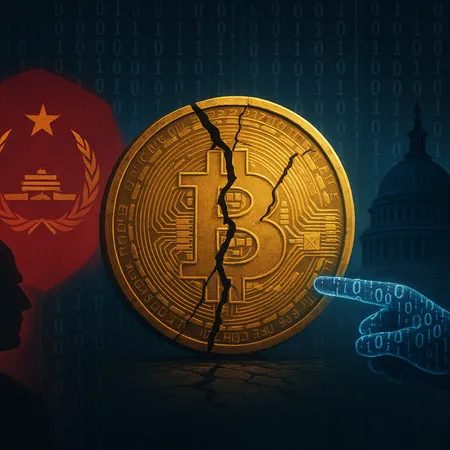
Bloomberg reports that China's cybersecurity arm has accused the US government of stealing 127,272 BTC — roughly $13 billion at current valuations — in the December 2020 theft from the LuBian Bitcoin mining pool. The LuBian incident stands among the largest crypto heists on record, and this new allegation escalates the story from a large criminal theft to a geopolitical confrontation.
The claim is notable because it shifts narrative from anonymous criminal groups and darknet laundering to state-level attribution, an area where public evidence is often limited and intelligence assessments carry heavy weight.
Attribution Challenges and Forensic Limits
Chain analysis vs. state attribution
On-chain analysis can trace coin movements, cluster addresses, and identify mixing patterns — tools that investigators and forensic firms routinely use. However, linking wallet clusters to a specific nation-state or government actor requires more than blockchain traces; it usually depends on signals intelligence, seized infrastructure, or admissions.
Even large transfers can be obfuscated through mixers, decentralized swaps, or layering across multiple chains. That makes definitive public proof difficult. Historically, public attributions of state-sponsored thefts have relied on classified sources or law-enforcement seizures rather than purely open-source blockchain evidence.
Market and Regulatory Implications
This allegation could have ripple effects, even if markets initially respond calmly. Some likely outcomes:
- Short-term price action: Markets often price geopolitical risk, but Bitcoin’s response may be muted if traders view the accusation as unproven. Still, headlines alone can increase volatility.
- Exchange and custody scrutiny: Centralized platforms and OTC desks may tighten AML/KYC checks on large deposits linked to addresses flagged in ongoing investigations.
- Policy pressure: Governments could use such claims to justify stricter reporting or cross-border surveillance of large crypto flows, affecting the broader crypto market.
Platforms focused on compliance and transparency — including services like Bitlet.app that offer regulated P2P and payment options — may emphasize on-chain visibility and user protections as regulatory attention grows.
What Users and Institutions Should Watch
- Look for follow-up reports from independent blockchain forensics firms and official statements from the governments involved.
- Monitor exchange behavior: delistings, freezes, or warnings related to addresses connected to the heist will be telling.
- Review custody and operational security: for institutional holders, stronger controls and clearer provenance checks mitigate reputational and legal risk in a charged geopolitical environment.
Conclusion
The Chinese cybersecurity agency’s accusation transforms a major crypto theft into a geopolitical flashpoint. While on-chain tools can map flows and reveal laundering techniques, public, irrefutable linkage to a state actor remains rare without corroborating intelligence.
For market participants, the immediate takeaway is to stay cautious: verify sources, monitor exchange actions, and be prepared for potential regulatory follow-up. The story underscores how digital asset security and geopolitics are increasingly intertwined — and why robust forensic practices and compliance measures matter across the ecosystem, from exchanges to DeFi protocols and beyond. For ongoing coverage of blockchain developments, including implications for NFTs, memecoins and DeFi, watch reporting and analysis closely.