China Accuses US of State-Level Cyber Theft in Massive Bitcoin Seizure
Summary
Rising Tensions After a Major Bitcoin Seizure
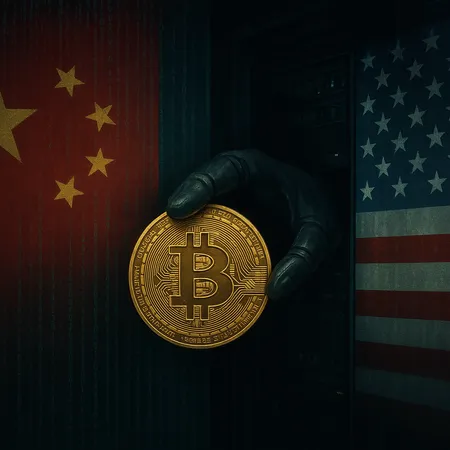
China has escalated a diplomatic row by accusing the United States of a covert role in what it calls state-level cyber theft tied to one of the largest bitcoin seizures in recent memory. The allegation, delivered through official channels and state media, frames the action not as routine law enforcement but as an operation with geopolitical intent. Observers warn this shifts the narrative from criminal enforcement to strategic digital power projection.
Market Reaction and Custody Concerns
Cryptocurrency markets reacted with heightened uncertainty: traders rotated into safe-haven assets, volatility spiked, and custodial risk became a central talking point. One key insight is that allegations of state involvement amplify custody and counterparty risk — institutions and retail users alike are re-evaluating where and how crypto holdings are stored. The situation also ripples across adjacent sectors such as DeFi and NFTs, where liquidity and on-chain trust are critical.
Service providers from custodial exchanges to P2P platforms must now balance compliance with client protections. For everyday users and platforms like Bitlet.app, the episode underscores why transparent custody policies and robust on-chain monitoring are vital to maintain user trust and operational resilience.
The Claims: Forensics, Attribution and Limits
China says it has forensic traces and transactional links that tie the seized bitcoin to actions it attributes to U.S. state actors. Attribution in cyberspace — and on-chain — is notoriously difficult, and independent verification can take weeks or months. Blockchain analytics can reveal transaction flows and cluster addresses, but proving direction, intent or state sponsorship generally requires corroborating intelligence that is rarely public.
Analysts caution against drawing definitive conclusions from early claims. Still, the episode highlights how blockchain transparency can be used in geopolitical narratives, even as technical evidence must be weighed carefully against political motivations.
Geopolitical Implications and the Future of Crypto Diplomacy
If state actors are perceived to be weaponizing blockchain enforcement, we may see several consequences: stricter cross-border sanctions enforcement, more aggressive on-chain seizures, and accelerated calls for international norms governing digital assets. Countries could harden digital sovereignty measures and insist on new rules for evidence sharing between law enforcement agencies.
Policy shifts of this kind would reshape the global crypto market and increase compliance burdens for platforms operating across jurisdictions.
Practical Takeaways for Users and Platforms
For traders and holders: review custody arrangements, enable multi-sig and hardware-wallet options, and follow credible on-chain analytics. For platforms: bolster transparency, ensure clear legal processes for seizure and compliance, and communicate policies proactively to users.
This episode is a reminder that crypto sits at the intersection of finance, technology, and geopolitics. As the story develops, watch for independent forensic reports and official responses — the answers will determine whether this becomes a precedent for future state-level actions in the blockchain era.