XRP Lawyer John Deaton Launches 2026 Senate Bid, Puts Crypto Issues Back in Spotlight
Summary
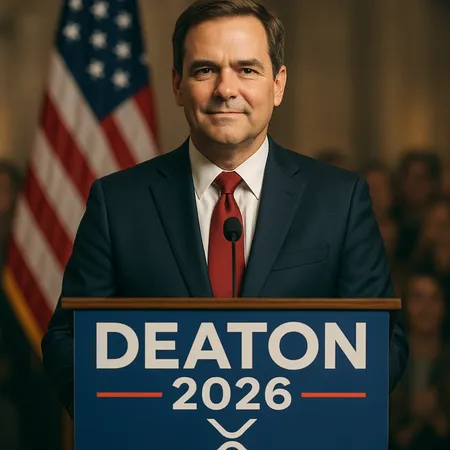
John Deaton — widely recognized within crypto circles for his advocacy on behalf of XRP investors and his commentary during the SEC v. Ripple discussions — has announced he will run again for the U.S. Senate in 2026. His campaign launch emphasized personal background and the growing struggle with the cost of living, but it also reminded voters and industry watchers that digital asset policy remains part of his public platform after a visible 2024 run.
Background: from XRP advocacy to electoral politics
Deaton first drew mainstream crypto attention through his public defense of XRP holders and frequent commentary on cases and enforcement involving digital assets. During his 2024 Senate run he referenced crypto policy several times, spotlighting issues such as regulatory clarity and investor access. That prior exposure gives him a recognizable voice in a policy debate that now intersects with price volatility, consumer protection, and the future of U.S. innovation in areas like decentralized finance.
Campaign priorities and where crypto fits
The core of Deaton’s message so far is traditional retail economic concerns — housing, healthcare, and the rising cost of essentials — but his candidacy is likely to bring crypto topics back into the regional conversation. Expect him to frame digital asset issues through the lens of consumer rights and small-investor protection, rather than purely industry advocacy. That rhetoric can resonate with voters who are both price-sensitive and crypto-aware, especially in states where retail crypto adoption or businesses tied to blockchain tech matter locally.
What this means for crypto policy and markets
A high-profile candidate with a crypto background running for federal office can do more than shape headlines. Deaton’s renewed political visibility may push candidates and incumbents to clarify positions on enforcement, licensing, and how the U.S. balances innovation with consumer safeguards. That matters for sectors from NFTs and memecoins to institutional-grade applications in DeFi and tokenized finance. If Deaton presses for clearer rules, it could encourage legislative efforts that either ease uncertainty or tighten oversight — outcomes that affect capital flows and product development.
Market reaction: XRP, DeFi and investor considerations
Immediate market responses to political announcements are often muted, but the longer-term narrative is important. For XRP holders and traders, a candidate with name recognition tied to their asset is symbolically significant: it keeps enforcement conversations in public view and may influence how regulators and lawmakers approach settlement frameworks going forward. More broadly, platforms like Bitlet.app and other retail-facing services have a stake in the policy environment because clearer rules can expand mainstream access to crypto products.
What to watch next
- Whether Deaton benchmarks his campaign with concrete crypto policy proposals or keeps the focus on traditional pocketbook issues.
- How other candidates respond — will they adopt clearer digital asset positions to compete for tech-savvy voters?
- Any calls for hearings or draft legislation that link investor protection to market infrastructure, custody, or exchange oversight.
Bottom line
John Deaton’s 2026 Senate bid signals that crypto will remain a live topic in American politics, even when campaigns emphasize bread-and-butter economic concerns. His profile ensures that debates over XRP, regulatory clarity, and the broader crypto market — from memecoins to DeFi — will stay part of the national conversation. For stakeholders, investors and platforms, the practical impact will depend on whether his run drives concrete policy proposals or simply keeps the issues in the headlines.