Argentina Freezes LIBRA Founders' Assets in $57M Crypto Probe
Summary
Context: What Happened in Argentina
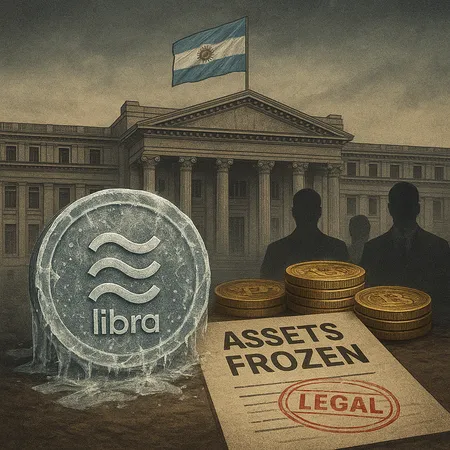
Argentina's financial prosecutors have moved to freeze assets tied to LIBRA co-founder Hayden Davis and several associates in connection with a reported $57 million crypto investigation. Officials allege the funds and transactions may be linked to political actors and improper influence, though formal charges and full evidence have not been made public. The action is part of a broader trend of national authorities scrutinizing crypto projects that intersect with politics and state actors.
What the Freeze Entails for Founders and Holders
The asset freeze prevents named individuals from moving or liquidating specified holdings while investigators pursue forensics and account tracing. That can include bank accounts, on-chain wallets, and token positions depending on court orders. For LIBRA token holders this creates immediate uncertainty: liquidity can tighten, market makers may step back, and some centralized platforms could temporarily restrict trading to reduce compliance risk. Legal teams will likely petition courts to unfreeze assets or to clarify which holdings are covered.
Allegations, Political Links and Legal Risks
Authorities say the probe centers on transactions they believe tied crypto flows to political influence or illicit financing. Such allegations—if proven—could convert a financial investigation into a broader corruption case, drawing in prosecutors, anti-money-laundering units, and possibly international counterparts. Even absent convictions, the reputational damage to founders and the project can be long-lasting. Investors and counterparties often react to perceived governance issues more quickly than courts resolve facts.
Market Impact, Exchange Response and What to Watch
Expect short-term volatility for LIBRA and related tokens. Exchanges and custodians commonly implement temporary delists or withdrawals freezes when founders face legal actions; this amplifies price swings. Watch for: regulatory filings, court orders specifying frozen assets, exchange notices, and any statements from LIBRA’s team. Also monitor broader industry signals—regulators increasingly coordinate across borders over suspected misuse of crypto.
For traders and platforms, the case underscores why on-chain transparency and robust compliance matter. Projects intersecting with politics must be especially prepared for scrutiny. Services such as blockchain analytics and DeFi monitoring tools will be in demand to trace flows and support defenses. Platforms like Bitlet.app, which offer P2P exchange and custodial options, may need to tighten due diligence and update risk protocols as investigations evolve.
Bottom Line
Argentina’s decision to freeze assets tied to LIBRA figures and associates marks a significant escalation for the token’s regulatory exposure. While investigators build their case, markets will likely price in higher risk and limited liquidity. Follow official court documents and exchange statements for concrete developments; the next few weeks will determine whether this becomes a contained legal matter or a broader industry precedent.